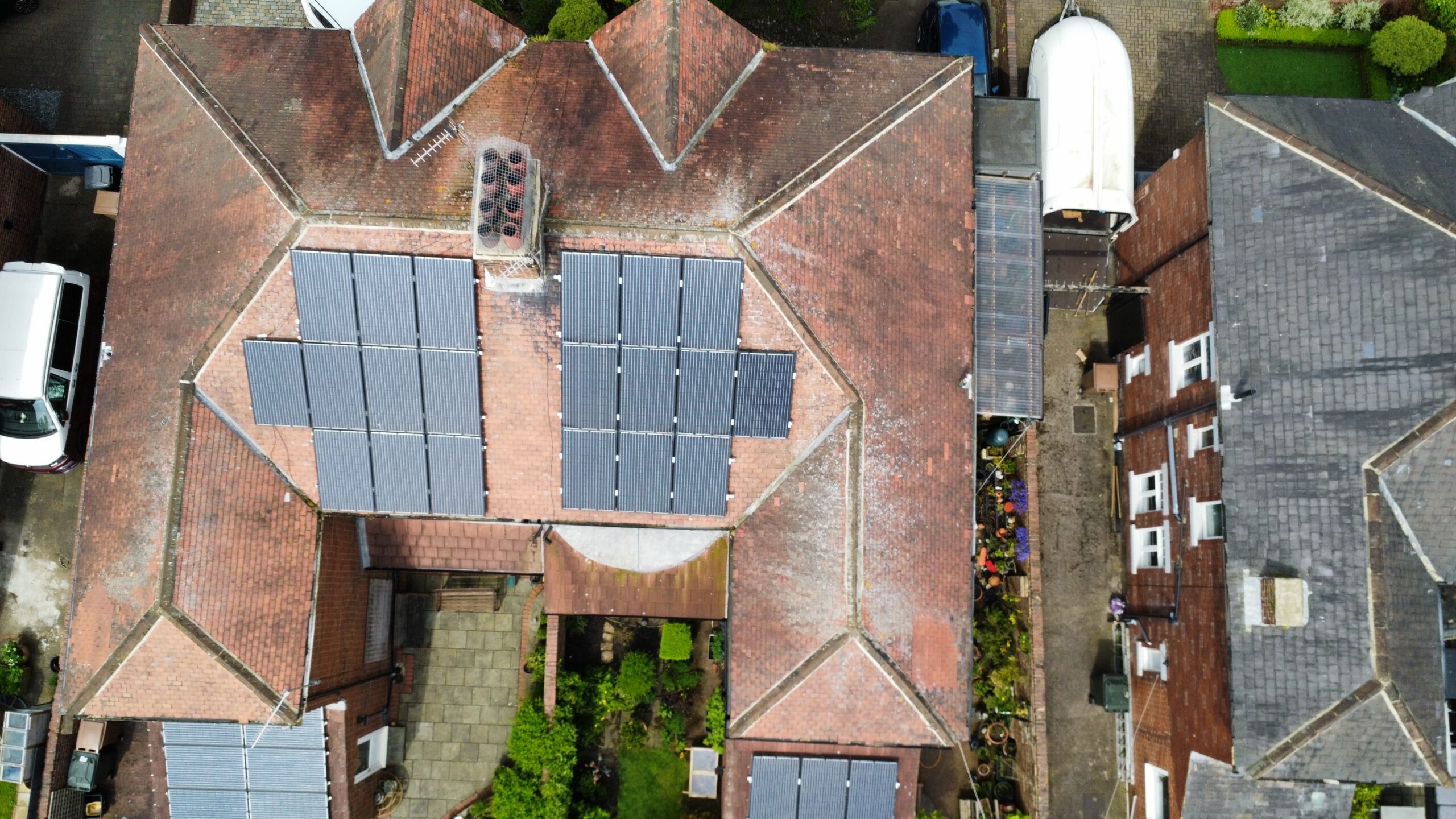
Solar panels are a popular choice for homeowners who want to make better use of their roof space, reduce reliance on the grid and prepare their property for the future. If your roof is getting older, you might be wondering whether it is still suitable for solar panels or whether roofing work should be carried out first.
The simple answer is yes, solar panels can sometimes be fitted to an old roof, but the roof must be in the right condition. Age alone does not always mean a roof is unsuitable. Some older roofs are still strong, dry and well maintained. Others may have slipped tiles, tired underlay, weak timbers or signs of water damage that need attention before any solar work begins.
At North East Contractors Ltd, we believe the roof should always be checked properly before a solar system is installed. Solar panels are a long term addition to your home, so it makes sense to ensure the roof beneath them is safe, stable and ready to support them.
This guide explains what to consider before installing solar panels on an old roof, what signs suggest repairs may be needed and why it can be more cost effective to deal with roofing issues before the panels go on.
Why the condition of the roof matters
Solar panels are fixed to the roof structure, which means the roof needs to be able to support the system safely. A solar panel installation is not just about the panels themselves. The roof covering, battens, rafters, fixings and weatherproofing all need to be suitable.
If a roof is already in poor condition, fitting solar panels can make future repairs more complicated. For example, if tiles begin to fail underneath the panels, the panels may need to be removed before the tiles can be repaired or replaced. This adds time, disruption and extra cost.
A roof that leaks, sags or has damaged materials should not be ignored before solar panels are installed. The panels may cover parts of the roof, but they will not fix existing problems. If water is getting in now, the issue is still likely to get worse over time.
Does an old roof always need replacing before solar panels?
Not always. An old roof does not automatically need to be replaced before solar panels are installed. What matters most is its condition, remaining lifespan and ability to support the system.
For example, a roof that is 20 or 30 years old may still be suitable if the tiles are sound, the roofline is straight, the timbers are strong and there are no signs of leaks. On the other hand, a younger roof may need attention if it has been poorly maintained or affected by storm damage.
Before making a decision, the roof should be inspected. This helps identify whether the roof is ready for solar panels, needs minor repairs or would benefit from more substantial work first.
Signs your roof should be checked before solar panels are fitted
There are several signs that your roof may need repairs before solar panels are installed. From ground level, look for slipped, cracked or missing tiles. These can allow water into the roof space and may suggest the roof covering is becoming weak.
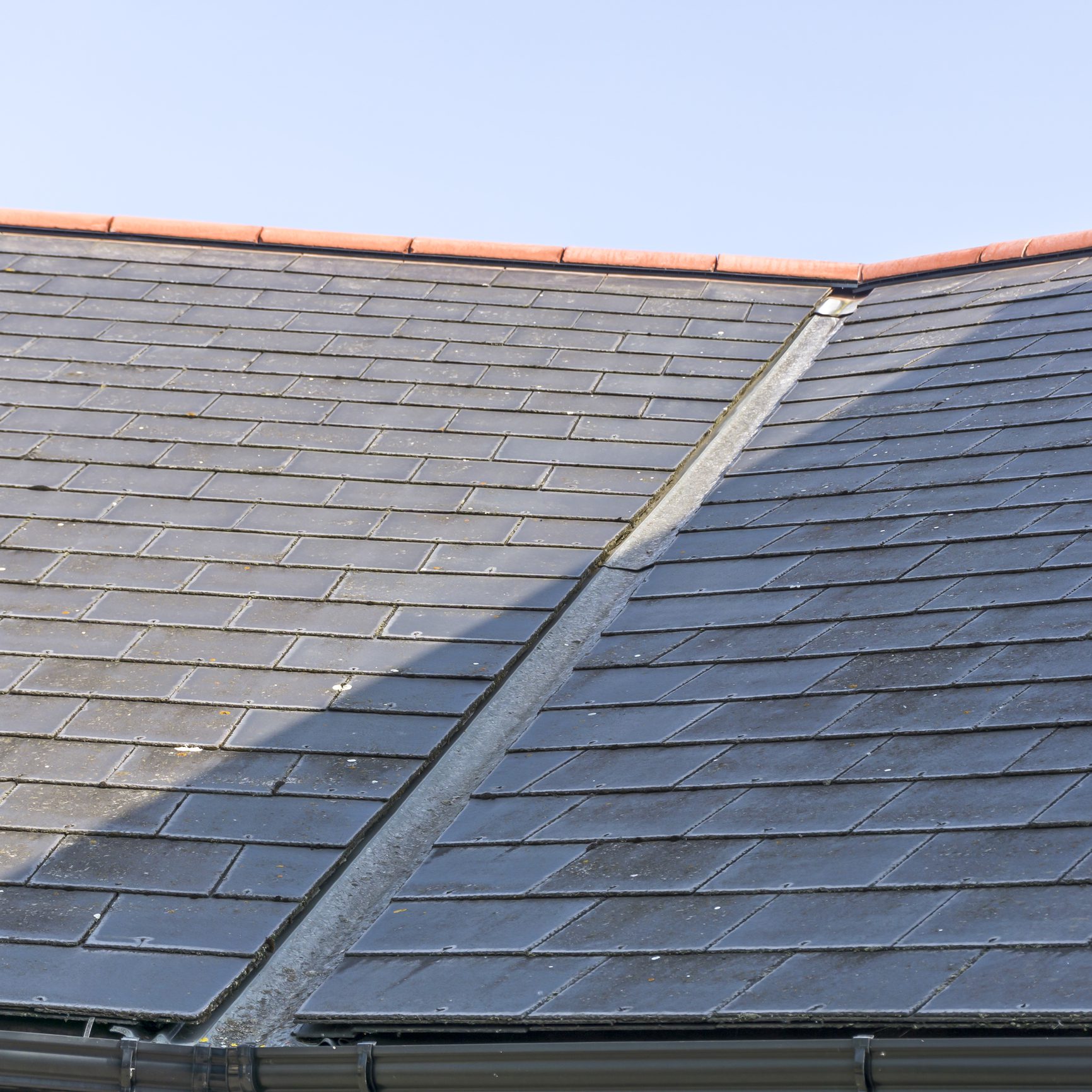
You should also look at the ridge line. If the ridge tiles are loose, cracked or surrounded by crumbling mortar, they may need attention. Problems around the roof edges, verges, valleys and gutters can also affect how well the roof deals with rainwater.
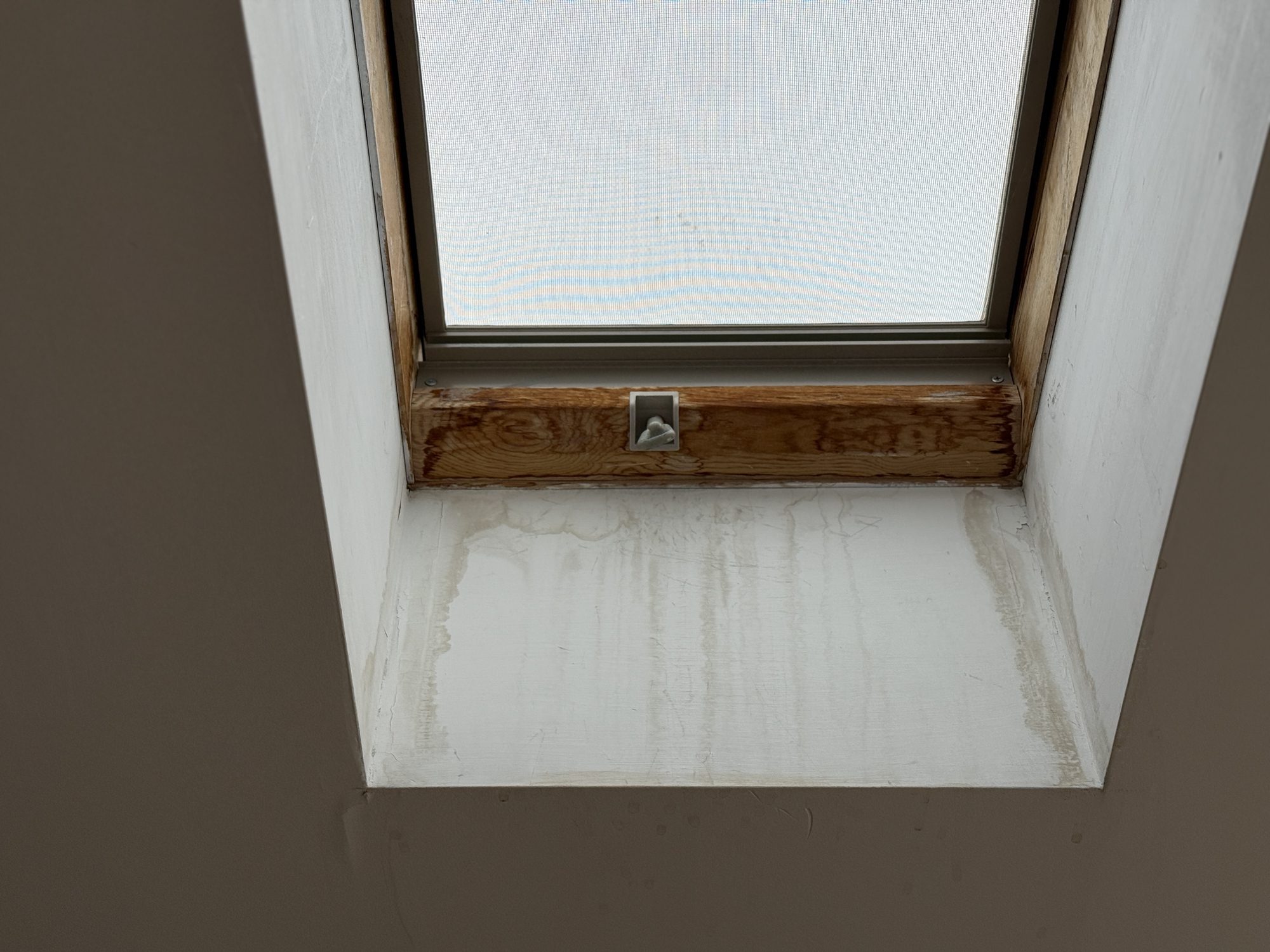
Inside the home, water stains on ceilings, damp patches in the loft, mould, musty smells or wet insulation can all point to a roof leak. A roof does not need to be visibly dripping for there to be a problem. Small leaks can stay hidden for a long time before they show inside living areas.
A sagging roofline is another important warning sign. If the roof dips, bows or looks uneven, the structure may need to be assessed before any extra weight is added.
How much weight do solar panels add to a roof?
Solar panels do add weight to a roof, but many suitable roofs can support them without issue. The key point is that the weight must be properly spread and fixed into the correct parts of the roof structure.
A professional inspection can help confirm whether the roof is strong enough. This is particularly important for older homes, roofs with previous alterations, properties with signs of movement or roofs where the timber structure has been affected by damp.
The panels, mounting rails and fixings all need to be installed correctly. Poor installation can cause damage to tiles, create leaks or put stress on areas that were not designed to take it. This is why solar work should be planned carefully alongside any roofing checks.
Why roof repairs are best completed first
If your roof needs repairs, it is usually better to complete them before the solar panels are fitted. This avoids the need to remove the panels later and gives the installation a better base.
Common pre-installation repairs may include replacing broken tiles, securing loose ridge tiles, repairing flashing, clearing blocked valleys, fixing leaks or dealing with damaged underlay. In some cases, it may also be sensible to replace a roof covering if it is nearing the end of its usable life.
For example, if your roof may need replacing in the next few years, fitting solar panels now could create avoidable cost later. You may pay for the panels to be installed, then pay again to have them removed and refitted when the roof is replaced.
By sorting the roof first, you can reduce the chance of future disruption and help protect your investment.
What if only part of the roof is old or damaged?
Sometimes the whole roof does not need work. The issue may only affect one slope, one valley, one section of tiles or one area around a chimney. In these cases, targeted repairs may be enough before solar panels are installed.
However, the section where the panels will sit needs particular attention. If solar panels are being installed on a south facing roof slope, that section should be checked closely for damage, weakness or wear.
It is also worth checking surrounding areas because water can travel. A leak around a chimney, valley or ridge may affect the same roof space even if the panels are not fitted directly over the defect.
Can solar panels help protect an old roof?
Solar panels can shield the area below them from some direct rain, sun and weathering, but they should not be treated as roof protection. They do not replace tiles, underlay, flashing or proper roof maintenance.
If the roof is already damaged, panels may hide the issue rather than solve it. Water can still get underneath, loose tiles can still move and weak areas can still deteriorate.
A sound roof is the starting point. Once the roof is in good condition, solar panels can be installed with greater confidence.
What type of roofs can solar panels be fitted to?
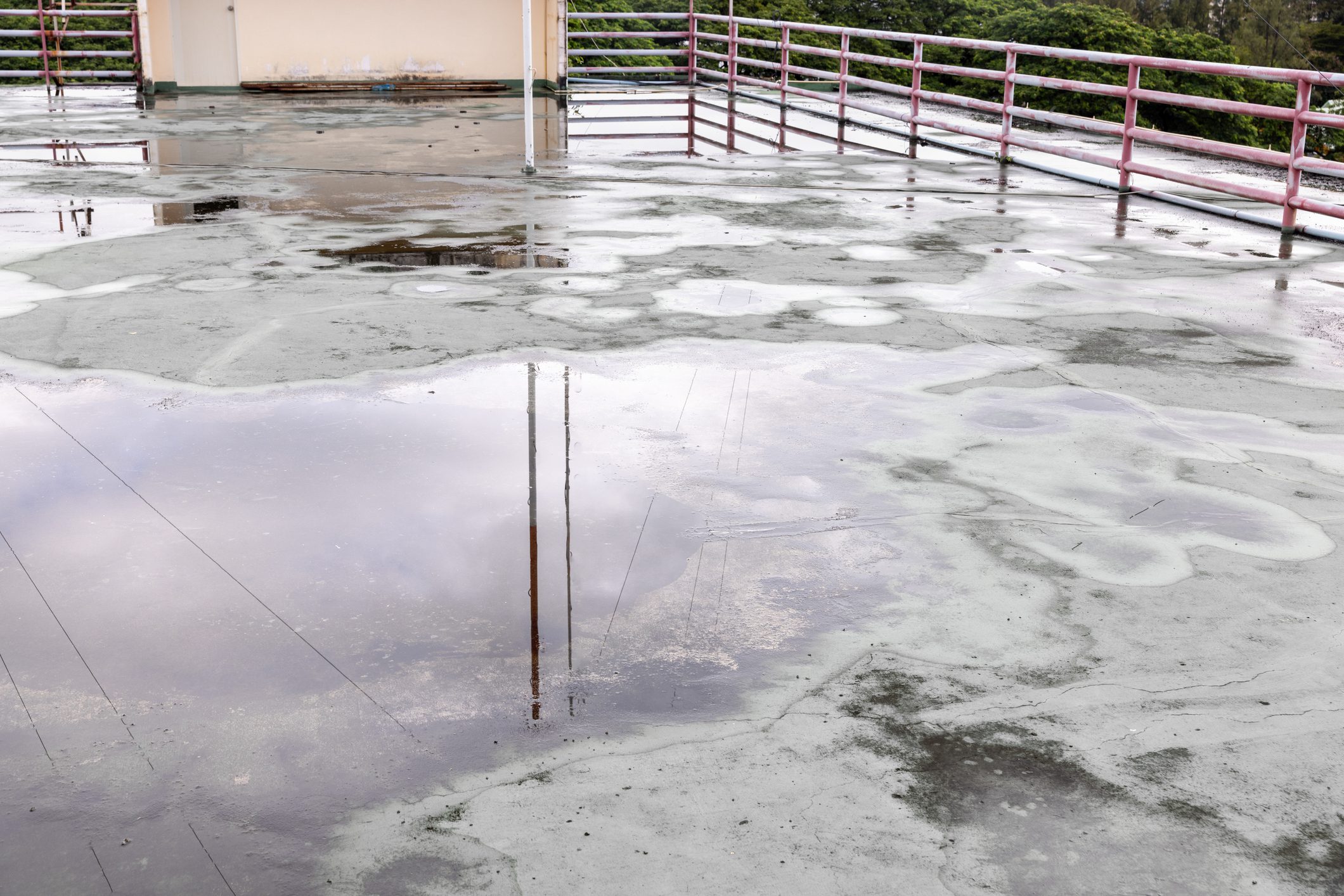
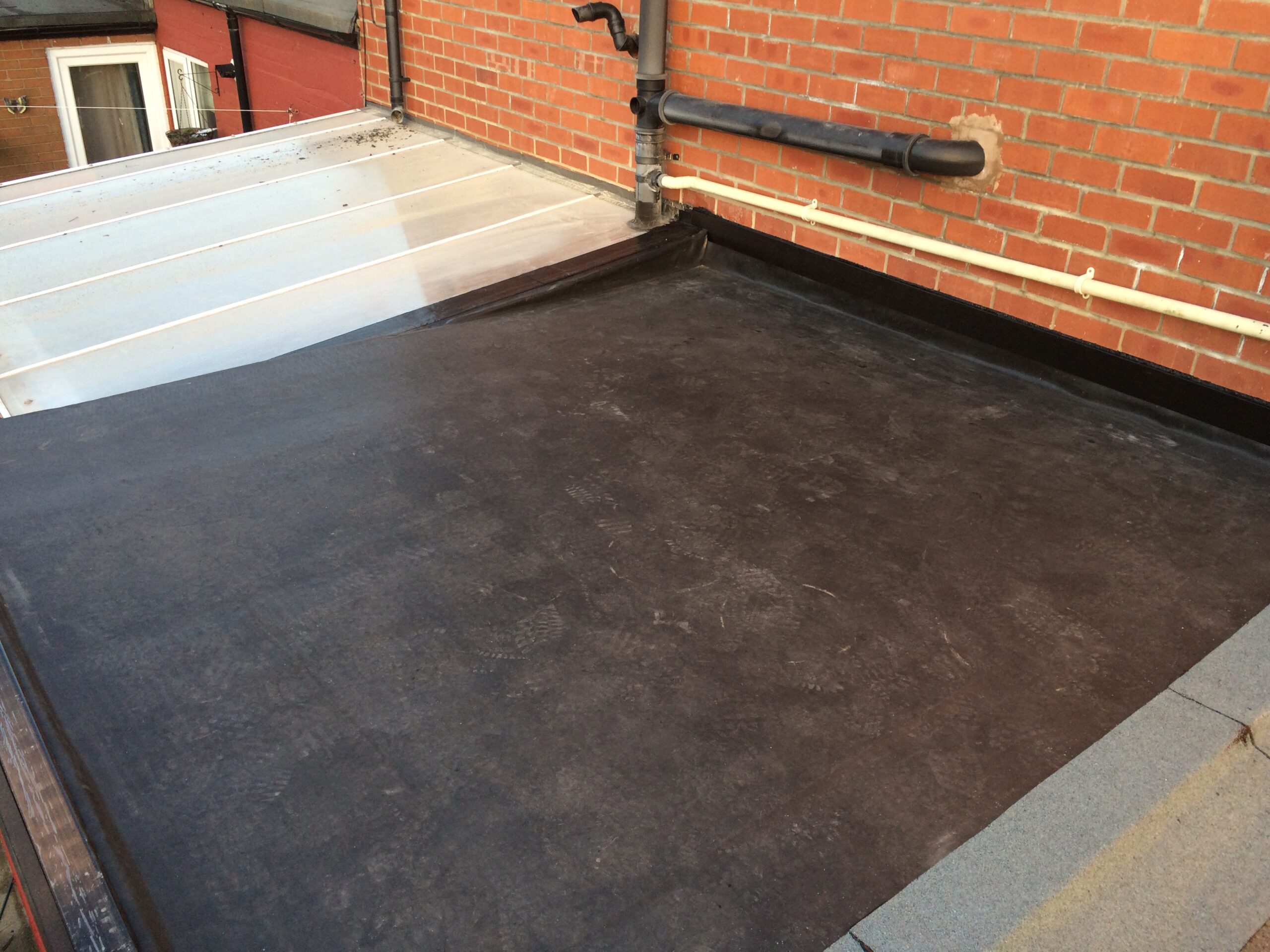
Solar panels can be fitted to many pitched roofs, including tiled and slate roofs, provided the roof is suitable and the correct fixings are used. They can also be fitted to some flat roofs using suitable mounting systems.
The type of roof covering matters because different materials need different fixing methods. Clay tiles, concrete tiles, natural slate, artificial slate and flat roofing systems all need to be handled correctly. Some older materials can be brittle, which makes careful installation even more important.
If the roof covering is fragile or difficult to work with, this should be considered before the installation begins. The aim is to fit the system securely without damaging the roof or creating weak points where water can enter.
Should you replace your roof and install solar panels at the same time?
In some cases, yes. If your roof is old, worn or likely to need major work soon, combining roof replacement with solar planning can make sense. It allows the roof to be made strong and watertight before the panels are fitted.
This can also make the overall process smoother. The roofers and solar installers can work with a clear plan, helping to avoid unnecessary repeat work.
A new or fully repaired roof gives the solar panels a better foundation. It also means you are less likely to face the cost of removing the panels for roofing work in the near future.
That said, not every old roof needs replacing. The right decision depends on the condition of the roof, the age of the materials and your long term plans for the property.
Do you need planning permission for solar panels?
Many domestic solar panel installations fall under permitted development, but this depends on the property, the location and how the panels are installed. Listed buildings, conservation areas and unusual roof layouts may need extra checks.
Even where planning permission is not required, the installation still needs to be safe and suitable for the building. It is always worth checking before work begins, especially if your home has restrictions or you are unsure about the rules.
A good installer should be able to advise you on the general process and highlight when further checks may be needed.
Will solar panels cause roof leaks?
Solar panels should not cause roof leaks when they are installed correctly on a suitable roof. Problems usually happen when the roof is already weak, the wrong fixing method is used or the installation damages tiles, flashing or underlay.
This is why it is important to choose a company that understands both roofing and solar. A solar panel system must be securely fixed without compromising the roof’s ability to keep water out.
If you already have leaks before installation, those leaks should be repaired first. Solar panels will not make an unreliable roof watertight.
How long should a roof last after solar panels are fitted?
Solar panels are designed to stay in place for many years, so the roof should ideally have a good lifespan left before installation. If the roof is only likely to last another few years, it may be worth carrying out more substantial roofing work first.
A roof inspection can help you decide whether the roof has enough life left in it. The inspection should consider the roof covering, timber structure, signs of water damage and any areas where future repairs may be difficult once panels are fitted.
This is not about replacing a roof unnecessarily. It is about avoiding a situation where solar panels are installed on a roof that soon needs major work.
Why choose North East Contractors Ltd?
At North East Contractors Ltd, we understand that solar panels and roofing need to work together. Before installing panels on an older roof, it is important to know whether the roof is ready, whether small repairs are needed or whether a bigger roofing job should be considered first.
We can help homeowners look at the condition of their roof and plan the right approach. If the roof is suitable, we can support your solar panel installation with confidence. If repairs are needed first, we can explain the options clearly and help you make a practical decision.
Our aim is to make sure your roof is safe, watertight and suitable for the solar system you want to install.
Final thoughts
You can put solar panels on an old roof, but only if the roof is in suitable condition. The age of the roof is important, but it is not the only factor. Strength, weatherproofing, tile condition, roof structure and signs of past leaks all need to be considered.
If your roof is sound, solar panels may be a good option. If your roof is damaged or nearing the end of its life, repairs or replacement may be the better first step.
Before making a decision, arrange a proper roof check. This can save money, prevent disruption and help make sure your solar panels are installed on a roof that is ready for them.
To discuss your roof or solar plans, get in touch with North East Contractors Ltd today.