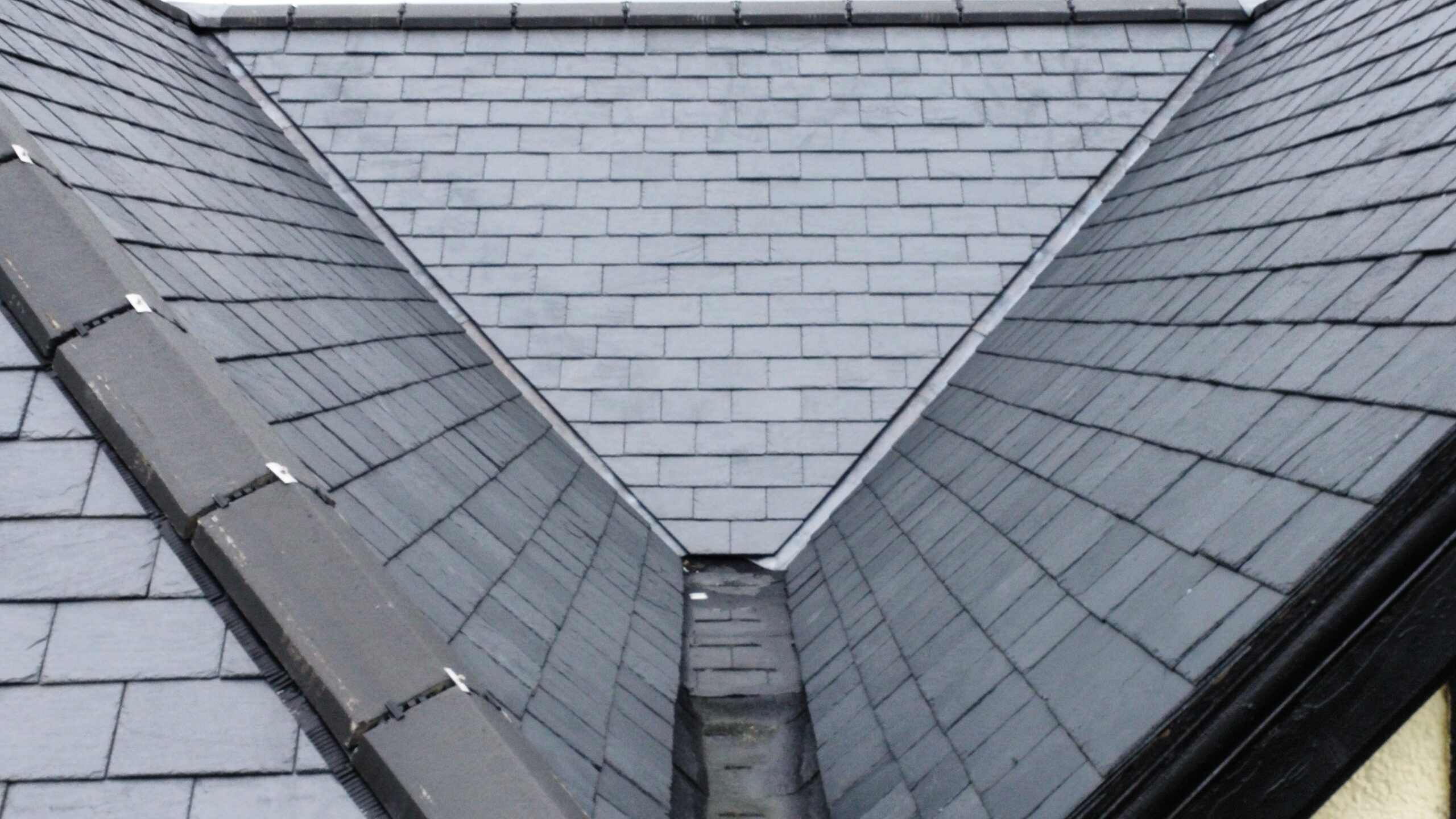
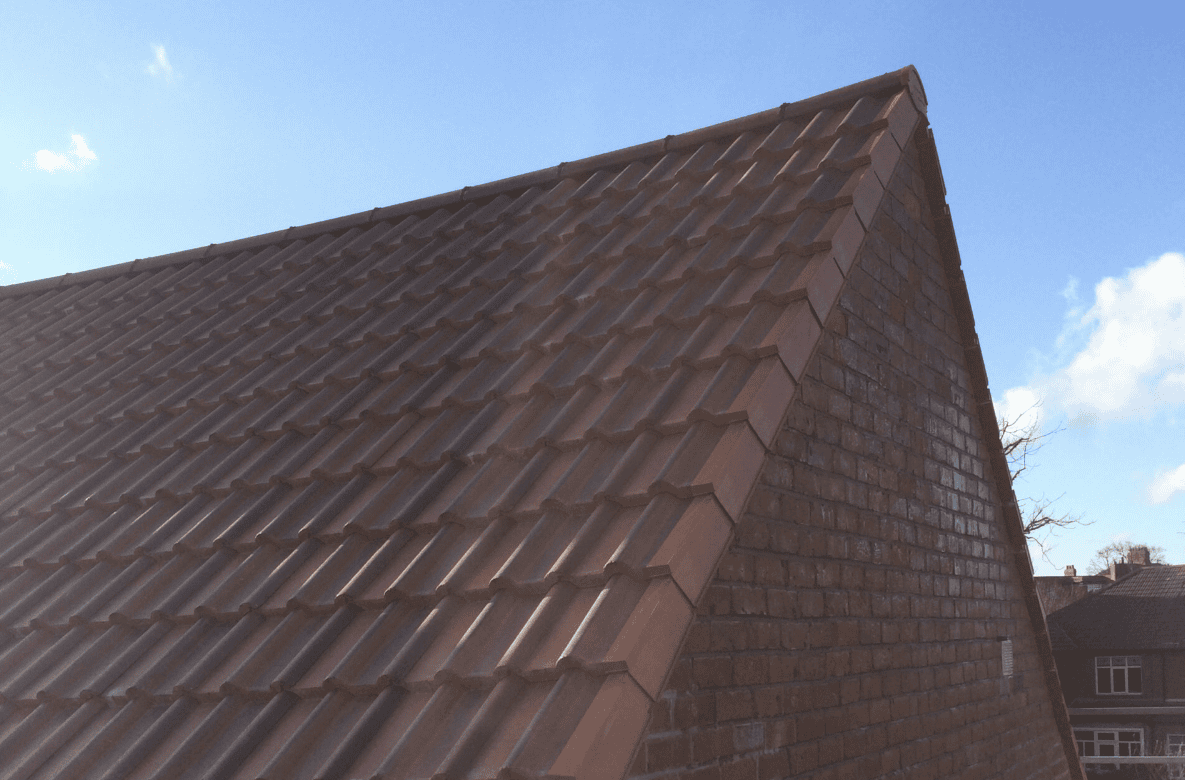
Lead flashing plays an important role in keeping your roof watertight. It is used around some of the most vulnerable areas of a roof, including chimneys, walls, roof valleys, dormers and roof joints. When it is in good condition, flashing helps direct rainwater away from places where water could otherwise enter the property.
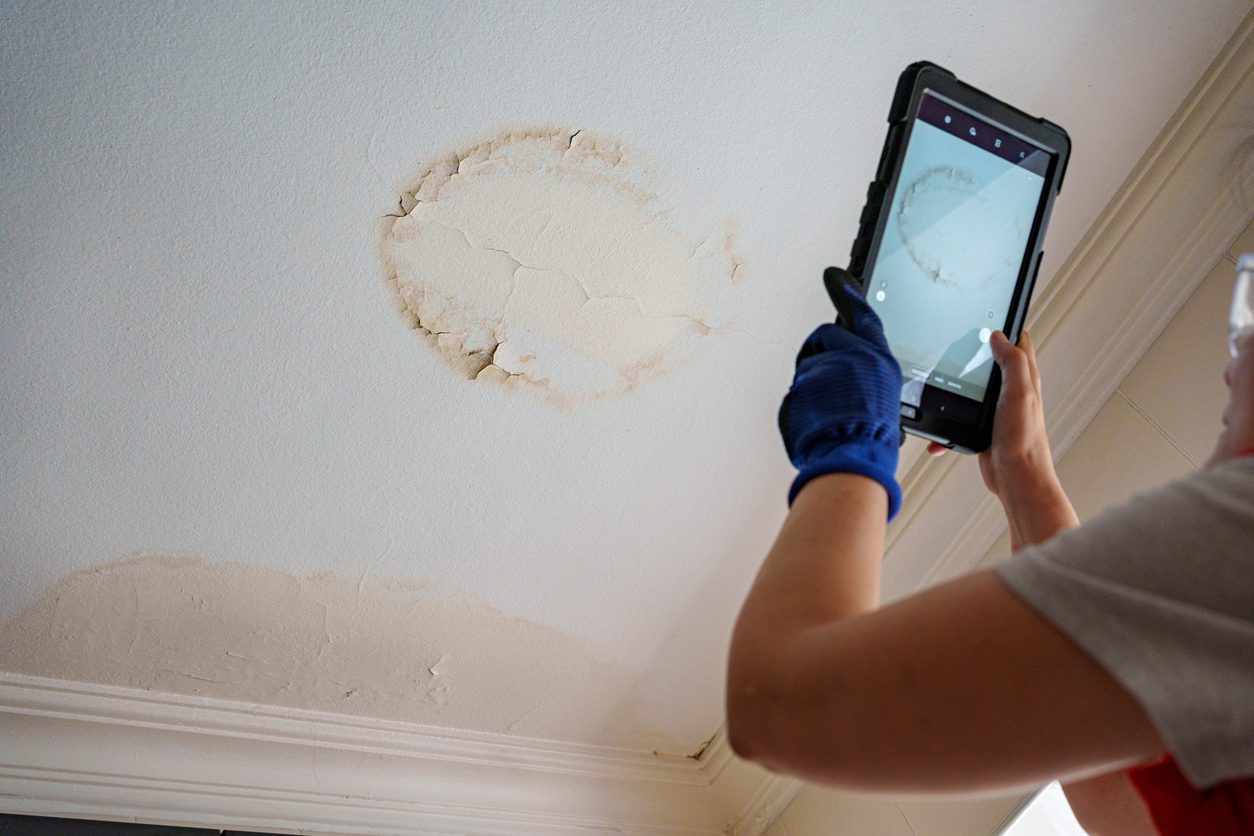
When lead flashing becomes damaged, loose or worn, it can cause leaks that are often difficult to trace. You may notice damp patches inside the home, staining around a chimney breast, water marks on ceilings or signs of moisture in the loft. In some cases, the flashing problem may only show during heavy rain or when wind blows rain towards a certain side of the property.
At North East Contractors Ltd, we help homeowners identify and repair roofing issues before they cause more serious damage. As experienced roofers in Whitley Bay, we understand how important properly fitted flashing is to the condition of your roof. Our roof repairs are designed to deal with the cause of the issue, not just the visible damp inside the property.
This guide explains what lead flashing does, why it can fail, the warning signs to look out for and when to arrange a professional inspection.
What is lead flashing?
Lead flashing is a weatherproofing material used to seal the joints between different parts of a roof. These joints are often more vulnerable than the main roof covering because they involve changes in direction, materials or height.
For example, where a chimney rises through a roof, there is a gap between the chimney stack and the tiles or slates around it. Flashing is fitted around this junction to guide water away and stop it entering the roof space. Without effective flashing, rainwater could run into the gap and cause damp, rot and internal leaks.
Lead has traditionally been used because it is durable, flexible and able to cope with changes in temperature. It can be shaped around roof details and fixed into brickwork or other surfaces to create a weatherproof finish. However, like any roofing material, it can wear, move or become damaged over time.
Where is lead flashing used on a roof?
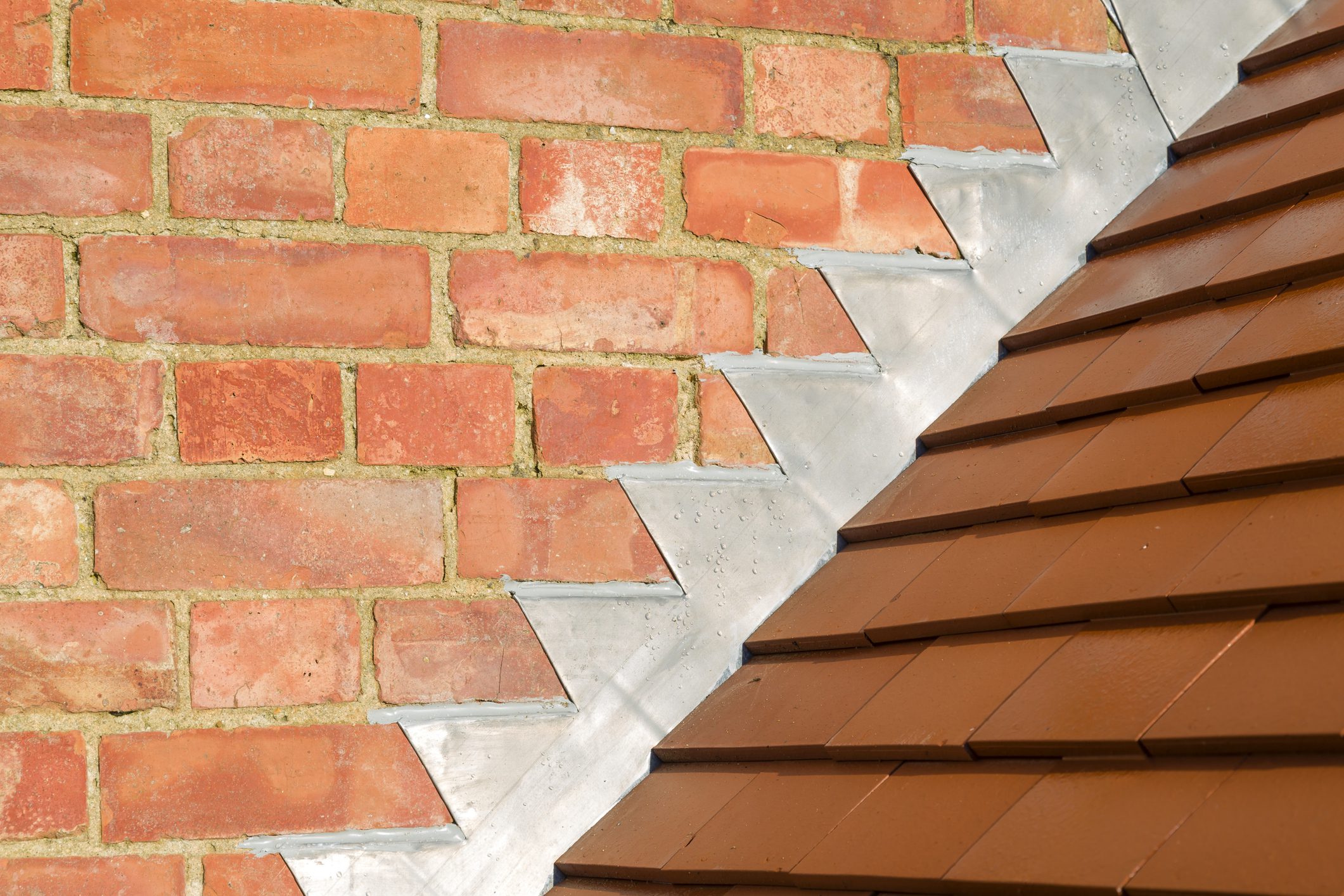
Lead flashing is commonly used around chimneys, roof valleys, abutment walls, dormer windows, skylights and roof joins. It may also be used where a pitched roof meets a vertical wall, such as on an extension or porch.
Chimneys are one of the most common places for flashing problems. The chimney sits above the roofline and is exposed to rain, wind and frost. The join between chimney and roof must be sealed carefully because water can easily find its way through small gaps.
Flashing is also important where a roof meets a wall. Rainwater runs down the roof surface and can collect at the edge if the junction is not properly protected. Good flashing helps water move safely away from the building.
On some roofs, flashing may be visible from the ground. On others, it may be hidden by the shape of the roof, the height of the property or the angle of surrounding buildings. This is one reason flashing defects can go unnoticed until a leak appears.
Why lead flashing problems cause leaks
A roof is designed to shed water. Tiles, slates and flat roof coverings all work by directing water away from the property. Flashing protects the weak points where water flow is interrupted.
If flashing lifts, cracks, splits or pulls away from the wall or chimney, water can get behind it. Once water enters behind the flashing, it may travel along timbers, underlay or brickwork before appearing inside the home.
This means the damp patch you can see indoors may not be directly below the damaged flashing. Water can move across roof structures and show up some distance away from the actual fault. This is why flashing leaks can be difficult to diagnose without a proper inspection.
A small flashing defect can also become worse over time. Once wind starts lifting a loose section, further movement can follow. Rain can then enter more easily, especially during storms or heavy downpours.
Common signs your lead flashing needs repair
The signs of damaged flashing can vary depending on where the flashing is located and how much water is getting in. Some signs are visible outside, while others show inside the home.
One of the clearest signs is damp staining around a chimney breast. If the flashing around the chimney has failed, water can run down the stack and show as marks on walls or ceilings. You may also notice peeling wallpaper, bubbling paint or a musty smell.
Water stains on upstairs ceilings can also point to flashing issues, especially if the marks appear after rain. In the loft, you may see damp timber, wet insulation or staining near a chimney, wall or roof join.
Outside, you might notice flashing that looks lifted, cracked or loose. There may be gaps between the lead and the brickwork, or the edge of the flashing may look uneven. Mortar holding the flashing in place may have cracked or fallen away.
Another warning sign is repeated leaks in the same area, even after tiles or gutters have been checked. If the main roof covering looks sound, flashing may be the source of the problem.
Lifted or loose flashing
Lead flashing can become loose for several reasons. Strong wind can lift exposed edges, especially if the flashing was already weak or poorly secured. Over time, fixings can fail and mortar can crack.
When flashing lifts, water can get underneath it. The problem may only happen during wind driven rain, which can make the leak seem unpredictable. On calm rainy days, you may not see any water inside. During a storm, the leak may return.
Loose flashing should be repaired promptly. Once it has started to move, it is unlikely to fix itself. Wind can continue to pull at it, and water can gradually damage the surrounding roof materials.
A professional roofer can check whether the flashing can be secured again or whether it needs replacing. This depends on its condition, age and how it has been fitted.
Cracked or split lead flashing
Lead is durable, but it can still crack or split. This may happen because of age, weathering, movement in the building or poor installation. If the lead has been fitted in sections that are too long, it may not have enough room to expand and contract as temperatures change.
Cracks can be small at first, but even a narrow opening can allow water through. Over time, the split may widen and the leak may become more noticeable.
Cracked flashing usually needs proper repair rather than a quick surface patch. Sealants may provide a short term cover, but they are not always a reliable long term solution. If the lead is badly cracked or tired, replacement may be the best option.
Flashing pulling away from brickwork
Lead flashing is often fixed into a joint in the brickwork, then sealed with mortar or a suitable fixing method. If the mortar fails, the flashing may begin to pull away from the wall or chimney.
This creates a gap where rainwater can enter. In some cases, the flashing itself may still be in reasonable condition, but the joint that holds it in place has failed. This is common around older chimneys and walls where the mortar has weathered over time.
Repair may involve removing loose mortar, resetting the flashing and sealing the joint correctly. If the surrounding brickwork or pointing is also damaged, that may need attention too.
Poorly fitted flashing
Not all flashing problems are caused by age. Some happen because the flashing was not fitted correctly in the first place. If the lead is too short, poorly shaped or not secured properly, it may fail sooner than expected.
Poorly fitted flashing may allow water to run behind it rather than away from the roof. It may also lift during high winds or crack because it has not been allowed to move naturally.
This can be a problem after rushed repairs or previous work carried out without enough care. If you have had repeated leaks around the same area, poor flashing installation could be part of the issue.
A professional inspection can confirm whether the existing flashing is suitable or whether it needs to be replaced with a better fitted detail.
Storm damage to roof flashing
Storms can cause flashing to move, lift or tear. High winds put pressure on exposed roof details, while heavy rain quickly tests any weak points. Flying debris can also strike the roof and damage flashing, tiles or gutters.
After severe weather, it is worth checking the roof from ground level. Look for loose pieces of lead, gaps around chimneys, displaced tiles or debris in the gutters. Do not climb onto the roof yourself, especially after a storm, as the surface may be wet and unsafe.
If you notice damp after high winds, flashing should be checked along with tiles, ridge areas and gutters. Storm damage can affect more than one part of the roof at the same time.
Flashing problems around chimneys
Chimney flashing is one of the most common sources of roof leaks. A chimney needs several weatherproofing details because it sits through the roof and is exposed on all sides.
If the flashing around a chimney fails, rainwater can enter where the chimney meets the roof. It can then run down inside the roof space or soak into the chimney breast.
Chimney leaks can also be caused by worn pointing, cracked flaunching, damaged pots or poor brickwork. This means the flashing should be inspected as part of the whole chimney area rather than in isolation.
At North East Contractors Ltd, we look at both the flashing and the surrounding roof details so the right repair can be recommended.
Flashing problems on extensions
Flashing is often used where an extension roof meets the main wall of a house. This could be on a single storey extension, porch, garage, kitchen extension or lean-to roof.
If this flashing fails, water may enter at the join between the roof and wall. This can cause damp patches inside the extension, staining near the ceiling line or water running down internal walls.
Extensions can be vulnerable if the flashing was not fitted deeply enough into the wall or if the seal has failed over time. Movement between the extension and the main building can also affect the flashing.
If you notice damp where an extension roof meets the house, the flashing should be checked before the internal damage gets worse.
Can damaged lead flashing be repaired?
Yes, damaged lead flashing can often be repaired, but the right approach depends on the type and extent of the damage. If the flashing has simply come loose but is otherwise in good condition, it may be possible to secure it again.
If the mortar joint has failed, the flashing may need to be reset and sealed properly. If the lead has cracked, split or been fitted badly, replacement may be more suitable.
Small isolated issues may be dealt with through targeted repair. Larger areas of worn or poorly installed flashing may need renewal to make the roof watertight for the longer term.
A good repair should deal with water flow, not just cover a visible gap. The purpose of flashing is to guide water away safely, so the repair needs to restore that function.
Why quick sealant fixes are not always enough
It can be tempting to use sealant on a flashing leak, especially if the gap looks small. While sealant may reduce water entry for a short time, it is rarely the best long term answer for a proper flashing defect.
Sealant can fail as the roof moves, expands and contracts. It can also hide the real issue, allowing water to continue entering behind the materials. In some cases, sealing the wrong area can trap moisture and make damp worse.
A professional repair may involve removing loose material, checking the condition of the lead, securing the flashing correctly and ensuring water can drain away as intended.
How roof flashing is inspected
A flashing inspection should look at the full area around the defect. This may include the lead itself, the fixing points, mortar joints, surrounding tiles or slates, brickwork and nearby gutters.
If a leak is showing inside, the loft may also be checked where safe. The roofer may look for damp timbers, staining, wet insulation or signs of water tracking from the flashing area.
The aim is to confirm whether the flashing is the source of the leak or whether another issue is involved. For example, a damp patch near a chimney could be caused by flashing, but it could also come from cracked pointing, damaged tiles or an open chimney pot.
Once the cause is clear, the repair options can be explained.
How to reduce the risk of future flashing problems
Regular roof checks can help spot flashing problems before they become leaks. From ground level, look for loose lead, missing mortar, damp patches near chimneys or signs that tiles have moved around roof joins.
Keep gutters clear so rainwater can drain properly. Overflowing gutters can push water into areas that were not designed to handle constant soaking.
After storms, check for visible movement or debris. If your home is older or has had previous chimney leaks, it is worth arranging a roof inspection before small defects become bigger problems.
Good maintenance is especially important around chimneys, extensions and roof valleys because these areas deal with large amounts of rainwater.
Why choose North East Contractors Ltd?
At North East Contractors Ltd, we understand how important lead flashing is to the health of your roof. When flashing fails, water can enter quietly and cause damage before the problem becomes obvious.
We inspect roof flashing carefully, explain what has gone wrong and recommend a practical repair. Whether the issue is loose lead, cracked flashing, failed mortar or a leak around a chimney, we can help protect your home from further water damage.
Our team provides clear advice and reliable workmanship, helping homeowners deal with roofing problems properly and safely.
Contact North East Contractors Ltd Today!
Lead flashing problems should not be ignored. Flashing protects the vulnerable joints on your roof, including chimneys, walls, dormers, valleys and extensions. If it becomes loose, cracked or poorly sealed, water can enter the property and cause damp, staining, timber damage and internal repairs.
Common warning signs include damp around chimney breasts, water stains on ceilings, wet insulation, loose lead, cracked mortar and repeated leaks after heavy rain. The sooner the issue is checked, the easier it is to prevent further damage.
If you are concerned about damaged flashing or a roof leak, get in touch with North East Contractors Ltd today.