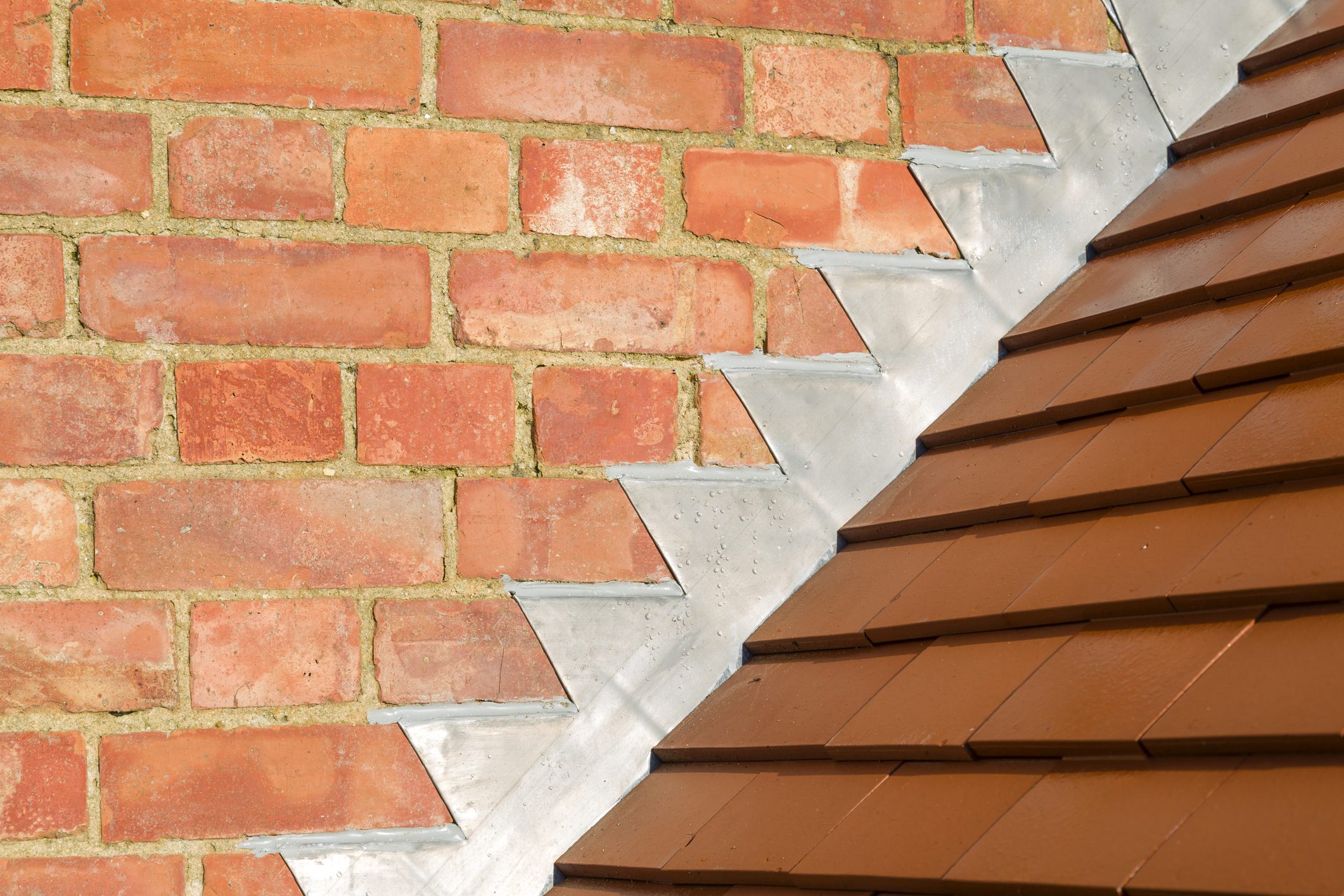
Roof valley leaks are a leading cause of internal water damage in UK homes. The most common causes include weathering of valley materials, poor installation, and a build-up of debris. Repair depends on the valley material and the extent of the damage, often involving targeted patching or a full valley replacement. Addressing roof valley leaks quickly prevents severe issues such as structural timber rot, ceiling staining, and mould.
What is a Roof Valley and Why is it Prone to Leaks?
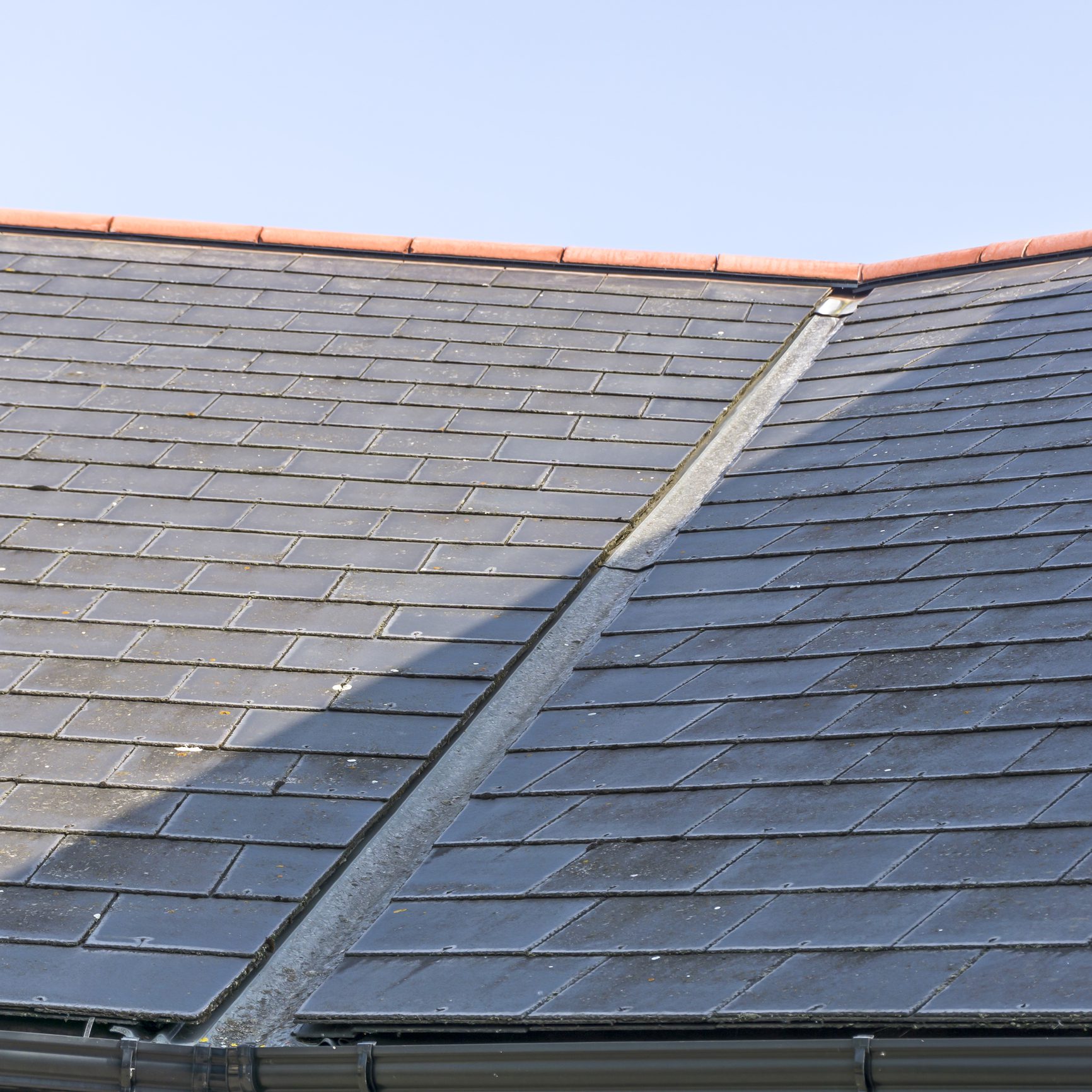
A roof valley is the internal angle where two sloping roof sections meet, channeling rainwater away from the roof surface into gutters or downpipes. Valleys are essential for directing large volumes of water efficiently, especially during heavy UK downpours. Their unique shape and open design mean they are exposed to the highest flow of water anywhere on your roof. This constant wetting, along with the collection of debris and the natural expansion and contraction of the materials, places the valley under far more stress than the rest of the roof. As a result, valleys are far more susceptible to leaks than flat or ridge roof sections.
Why Do Roof Valleys Fail?
Roof valleys face unique wear. Besides consistently high moisture, they are vulnerable to age related material degradation, especially in older homes with original lead, zinc, or mortar. Frequent movement as roof timbers expand and contract through hot and cold spells stresses joints. Impact damage from falling branches or heavy winds can dislodge tiles. A build up of leaves, moss, and dirt slows water flow and can back it up under tiles or flashing. Poor installation, where incorrect positioning or sealing lets water creep beneath the valley liner, is another common cause. Left unchecked, these factors can lead to substantial water ingress, damaging underlying structures and interiors.
Lifespan and Failure of Roof Valley Materials
Not every roof valley is created equal. In UK homes, several types of valley construction are common, each with its lifespan and ways of failing:
Lead Roof Valleys
Lead is extremely durable but not immortal. Over decades, it develops fatigue cracks, sometimes caused by constant thermal expansion or slight movement in the roof structure. When the lead sheets split, water finds its way through.
Zinc Roof Valleys
Zinc, used as a cheaper alternative to lead, is somewhat less durable. It corrodes in acid rain or salty winds and can crack if improperly installed. These cracks or holes are weak points for leaks.
GRP (Glass Reinforced Plastic) Roof Valleys
GRP valleys are chosen for lightweight, modern roofs. They are robust but can be punctured by falling branches or become brittle with prolonged UV exposure, causing cracks along their surface.
Mortar Bed Valleys
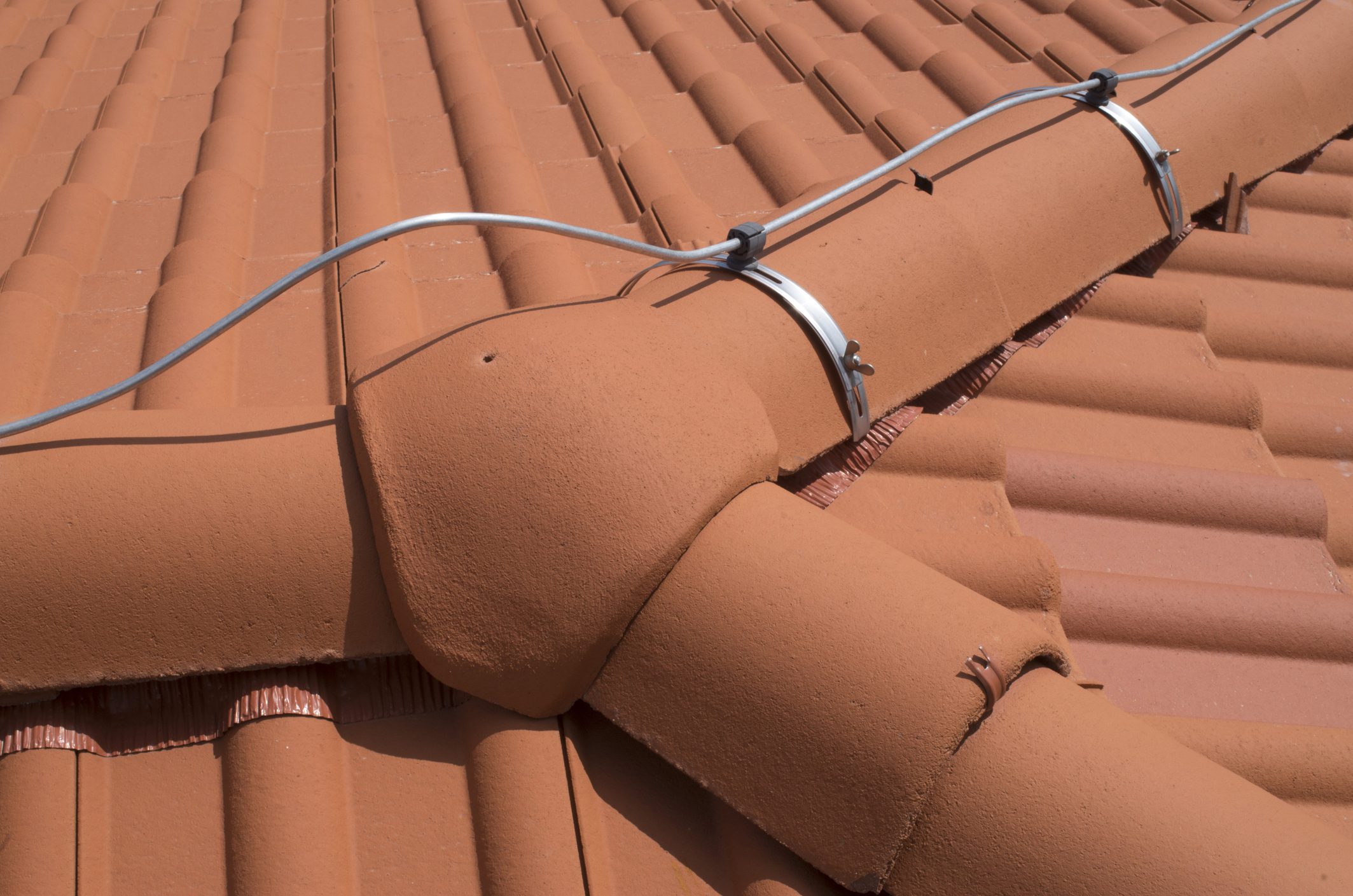
Some tiled roofs use valleys built from a mortar bed. Mortar can crumble over time or after repeated freeze-thaw cycles, allowing water to seep into the roof structure.
Felt Valleys
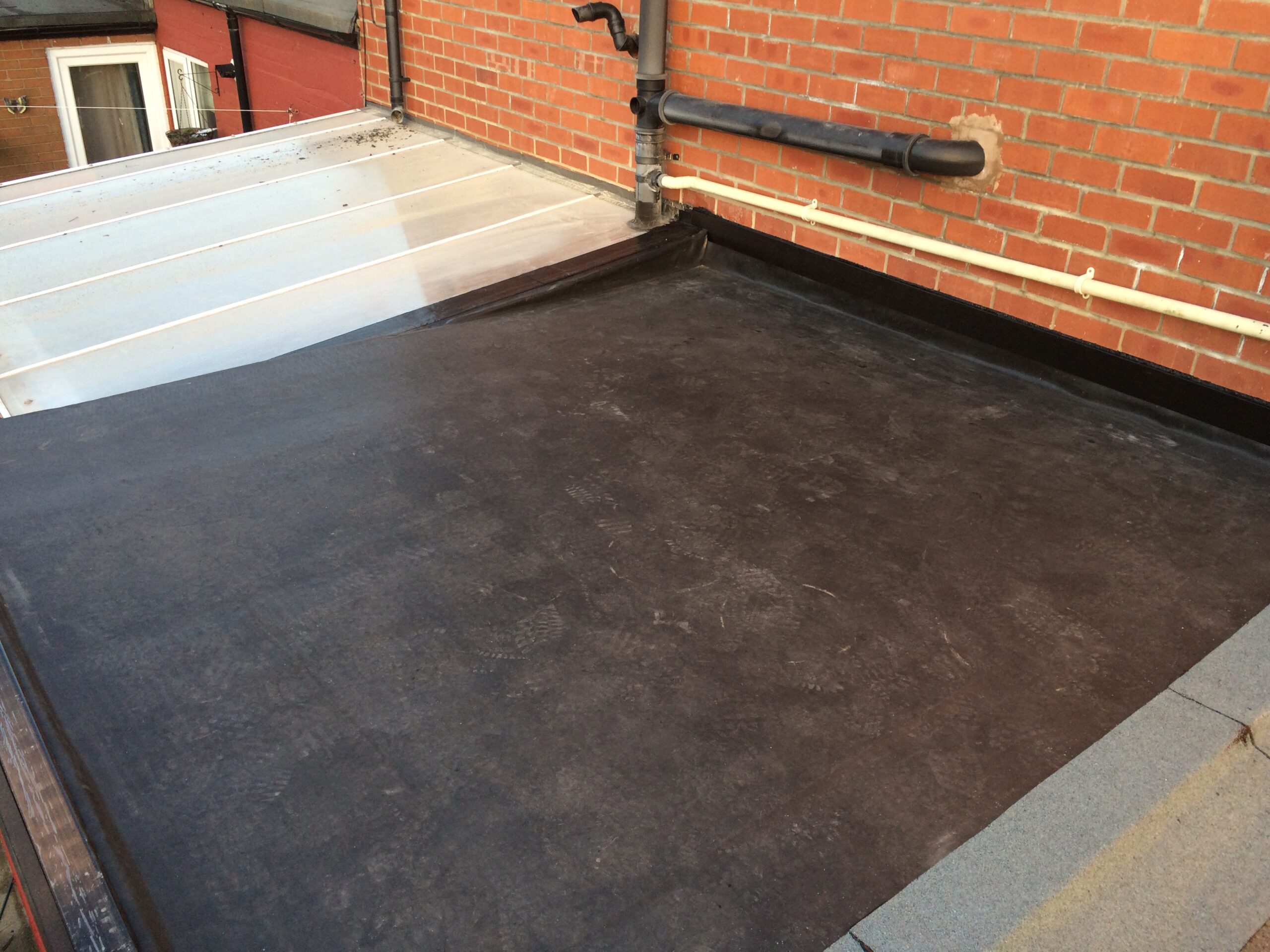
Often found on older or temporary roofs, bitumen-based felt valleys deteriorate with age. Felt loses flexibility, shrinks, and forms splits, especially under persistent water flow.
The average lifespan for roof valleys varies: lead often lasts over 50 years, zinc and GRP about 20–30 years, mortar up to 20 years, and felt can deteriorate in as little as 10–15 years depending on exposure.
Environmental Impacts on Valley Longevity
UK weather is punishing for roof valleys. Persistent rain, heavy snow, and freeze-thaw cycles all work to break down valley materials. In coastal locations, salt speeds up corrosion in both zinc and lead. Direct, intense sunlight, while less common, degrades felt and GRP through UV exposure, causing brittleness and cracks. Sudden, forceful winds can shift tiles or flashings, exposing the valley lining directly to water.
Internal Damage Caused by Unaddressed Valley Leaks
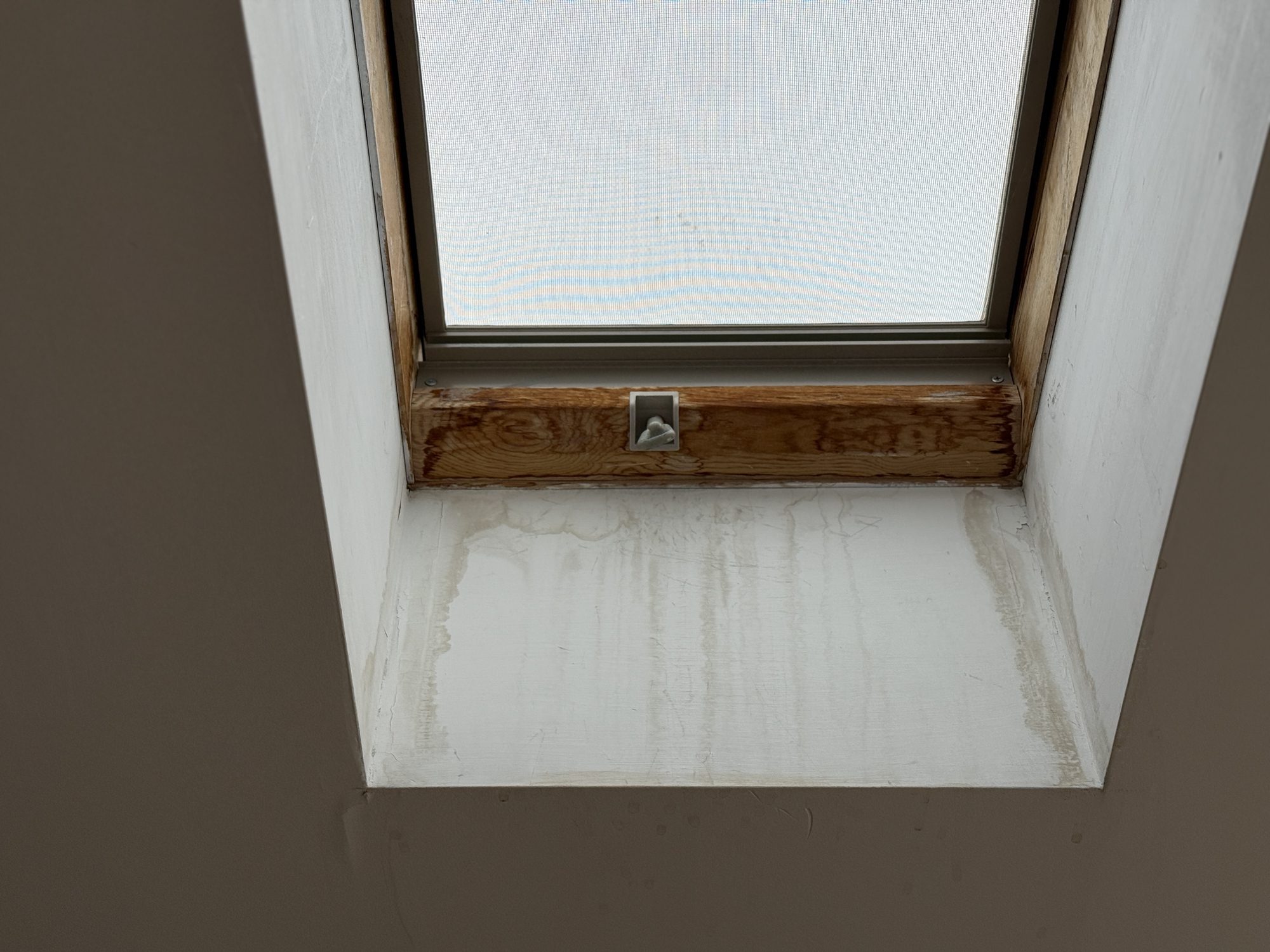
If a leaking roof valley is ignored, the consequences go beyond a few damp patches. Water makes its way along rafters and joists, causing timber to rot, a structural problem that risks ceiling collapse in worst cases. Once insulation becomes waterlogged, it loses its effectiveness and fosters mould growth, which can spread onto internal walls and furnishings. Visible symptoms may include stained ceilings, peeling paint, or dark patches of mould on upstairs walls.
Timely repair by roofing professionals prevents small leaks becoming major reconstruction projects, cutting long-term costs and disruption.
Recognising the Signs of a Leaking Roof Valley
Spotting a leak early can save considerable time, stress, and money. Typical signs include:
- Damp patches or water stains appearing on upper floor ceilings, particularly below roof valley lines.
- Tiles slipping or flashing visibly lifting along the valley line.
- Moss, leaves, or other debris collecting in the valley, which can signal underlying blockages.
- Drips or puddles forming in loft spaces directly below valleys.
- In extreme cases, daylight visible through gaps where valley material has failed.
Keep in mind, water travels along rafters and insulation, so the internal leak may be some distance from the actual source.
Distinguishing Valley Leaks from Other Roof Leaks
Not all roof leaks originate in the valley, but they share similar symptoms. One clue is the pattern of the leak: if water always appears after heavy rain, especially along lines where roof slopes join, the valley is a likely culprit. Check externally for damage or obstruction along the valley line. Trace inside stains upward to where the valleys should be above, if the issue aligns, the valley is the probable source.
How Do Professionals Diagnose a Roof Valley Leak?
Roofing experts use both internal and external inspections. Internally, they start in the loft, following the path of water stains or damp patches to their highest point. Externally, they look for displaced tiles, splits in flashing, sagging valley sections, or obvious blockages. Sometimes, water testing is performed, small amounts of water are applied to different sections to identify the entry point. Years of hands-on experience allow a professional roofer to distinguish a valley leak from general roof deterioration, making diagnosis rapid and effective.
Repairing a Leaking Roof Valley
Roofing pros like North East Contractors Ltd typically remove tiles or coverings adjacent to the valley, inspect for splits, corrosion, or breakage in the existing valley liner, and then decide the best fix. For localised damage, they patch with matching repair materials and reseal any cracks. Where deterioration is widespread, they replace the entire valley liner with correct overlaps and weatherproofing, then reinstall or replace surrounding tiles, checking for further issues as they go.
DIY repairs pose major safety and effectiveness risks. Even experienced DIYers lack the tools to match new materials to existing roofing, may miss secondary damage, and could even void their roof guarantee. Roof work poses fall hazards and requires skilled handling of heavy or hazardous materials. If you suspect a leak along your roof valley, contact a professional for both accurate diagnosis and a reliable, long-lasting solution. Contact North East Contractors Ltd today for expert help with roofing repairs in Whitley Bay and the North East.
When Should You Repair or Replace a Roof Valley?
A repair is often appropriate for minor, isolated splits or corrosion, especially if the rest of the valley is in good condition and the material is not at the end of its lifespan. Replacement is sensible if:
- The valley material is close to, or past, its typical lifespan.
- Multiple leaks or cracks are present across its length.
- Numerous tiles or the supporting structure are affected by rot or water damage.
- There is evidence of repeated short-term repairs that haven’t lasted.
It is more cost-effective in the long term to opt for full replacement on severely degraded valleys. A professional roofing contractor will always advise on the better value option, tailored to your roof’s specifics.
Costs Associated with Roof Valley Repairs
Repair costs for roof valleys vary widely across the UK depending on the material, the complexity of access, and the size of the affected area. Minor patch repairs can start from around £200–£300, while a full valley replacement typically ranges from £600 up towards £1,500 or more, particularly on larger or slate roofs.
Additional factors influencing price include scaffolding requirements, the need for bespoke leadwork, and whether underlying timbers or tiles also require treatment or replacement. The best way to get an accurate figure is to arrange a full roof inspection and receive a written quotation from trusted roofers in Whitley Bay.
Does Home Insurance Cover Roof Valley Leaks?
In most cases, insurance covers only “sudden, unexpected damage”, such as a valley leak caused by storm damage or a heavy branch falling onto the roof. Gradual wear and tear or a failure to maintain the roof (including blocked valleys or old flashing) are almost always excluded from standard home insurance policies.
If you need to make a claim, it is crucial to document the cause and extent of the damage clearly. Maintain evidence of regular roof maintenance, as this helps show that any problem was unforeseeable, not due to neglect. Always check your own policy’s small print or call your insurer for clarification.
Can You Repair a Leaking Roof Valley Yourself?
While it might seem tempting, DIY roof valley repairs are hazardous. Roofing valleys are difficult to access, especially on steep pitches or multi-storey houses. The precise skills and materials required are specialist; mistakes can worsen the leak or cause further damage. Professionals are trained to diagnose subtle faults and ensure a watertight, attractive finish that will last years.
Attempting repairs yourself risks not only your safety, but also invalidating insurance or workmanship guarantees. For your safety and peace of mind, professional roof repairs in Whitley Bay are always the right choice.
Preventing Roof Valley Leaks in the Future
Regularly clear leaves, moss, and debris so water can flow freely. Have your roof inspected after major storms or every couple of years. Repair slipped tiles, loose flashing, or minor cracks promptly before they widen. Use experienced roofers for installation or repairs to ensure correct fit and finish.
What Should You Do Immediately if You Discover a Roof Valley Leak?
If you spot signs of a leak, act quickly to limit damage. Move valuables or furniture away from damp areas, collect drips in a bucket, and take clear photos of internal water marks or ceiling discolouration. Contact professional roofers as soon as possible to arrange an inspection. Avoid climbing onto the roof to investigate without proper safety equipment, leave diagnosis and repair to qualified tradesmen.
Choosing the Right Professional for Roof Valley Repairs
Select a company with proven experience in valley repairs across lead, zinc, GRP, mortar, and felt. Check for locally trusted roofers with a track record of quality in the North East, like North East Contractors Ltd in Whitley Bay. Request photos of previous valley repairs, a thorough written quote, and ensure all work is guaranteed. Never settle for a quick fix, ask for permanent solutions and full transparency about your roof’s true condition.
Arrange a Professional Roof Valley Repair Inspection
Ready to stop leaks and protect your home? Contact North East Contractors Ltd to arrange a comprehensive inspection and expert repair. Secure your property’s future with a team local homeowners trust. Call today or visit our roofing services page for more on how we restore and protect roofs across Whitley Bay and the North East.
FAQs: Roof valley repairs with North East Contractors Ltd
Do you offer emergency callouts for roof valley leaks?
Yes. We provide emergency attendance in Whitley Bay and across the North East, subject to availability. Call 0191 375 8532, or for urgent out of hours help call 07931 936 889.
How quickly can you attend a leaking roof valley?
For active leaks we aim to attend as soon as possible, often the same or next working day depending on workload and access. We will advise timeframes when you call.
What valley materials do you repair or replace?
Our team works with lead, zinc, GRP, mortar bed, and felt valleys. We repair localised damage where viable and replace full liners when that gives better long term value.
Do you provide photos and reports for insurance claims?
Yes. We can document the cause and extent of the leak with photos and a written report to support your insurance claim, if required.
Are your roof valley repairs guaranteed?
All work is supplied with a written guarantee. The length and terms depend on the materials and scope, and will be confirmed on your quotation.