EPDM flat roofs are a popular choice in the UK thanks to their durability and ease of installation, but no roofing system is completely immune to problems. Recognising warning signs early can help you fix minor issues before they turn into leaks or serious damage. This guide covers the most frequent EPDM rubber roof problems, the specific warning signs to watch for, how to diagnose hidden faults, and your options for reliable EPDM roof repair and protection.
Understanding EPDM Roof Problems
EPDM, short for Ethylene Propylene Diene Monomer, is known for its flexibility and weather resistance, making it a leading material for modern flat roofs across Britain. Despite this, issues like ponding water, shrinkage, blistering and punctures can develop due to age, weather exposure or improper installation.
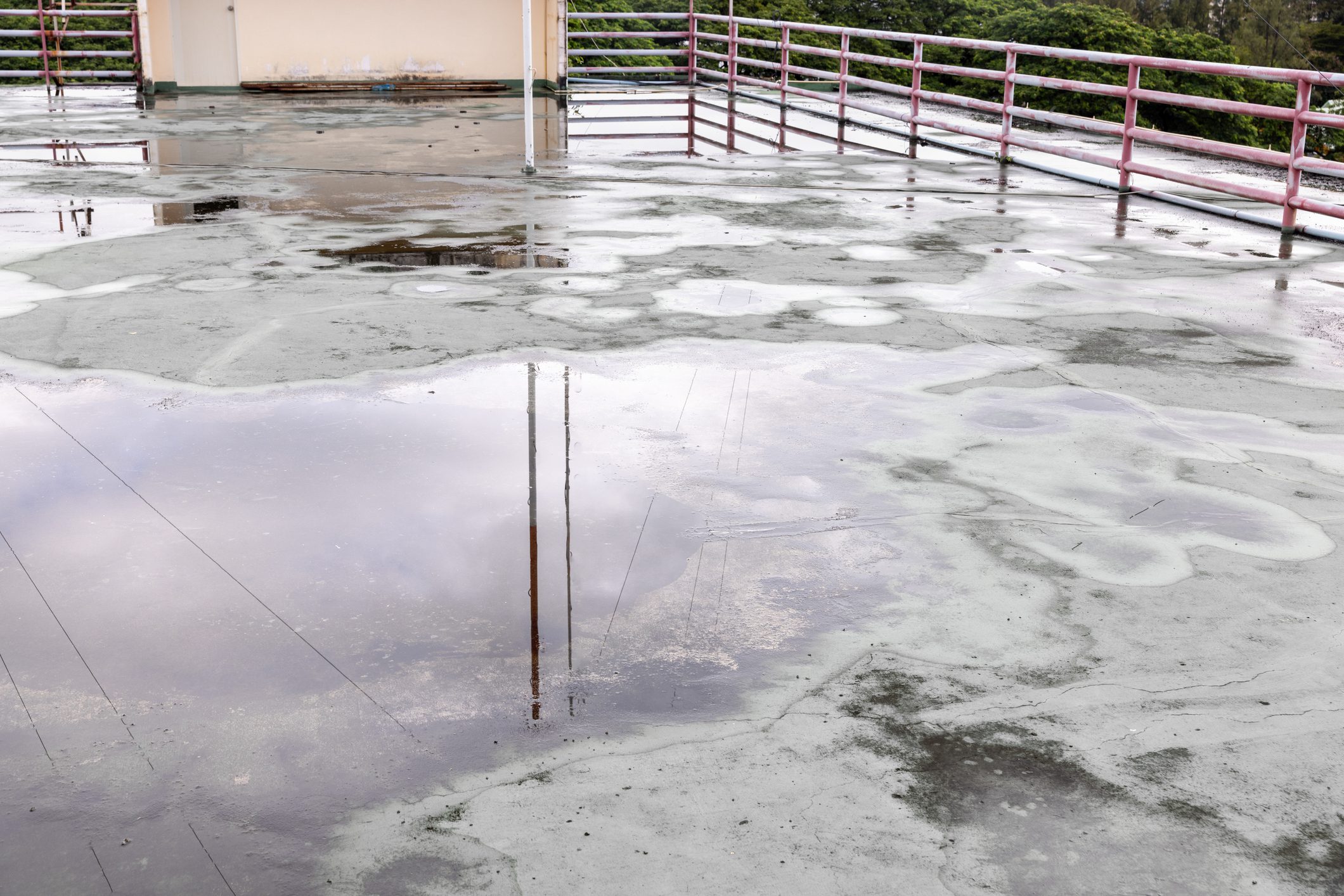
The most common EPDM roof problems include ponding water that remains after rainfall, tears, cuts or punctures in the membrane, shrinking or movement at roof edges and upstands, open seams and failed joint adhesives, poor or failed flashing around skylights and vents, and blistering or bubbles beneath the membrane surface.
These issues can start subtle, but left unresolved, they often lead to leaks, structural decay, or insulation failure.
How UK Weather Contributes to EPDM Roof Issues
British weather conditions are uniquely challenging for flat roofs. Prolonged damp spells can allow moss and algae growth, while winter frost may make the rubber brittle. Sudden temperature shifts cause the flexible membrane to expand and contract, sometimes pulling on the edges or splitting seams. Unexpected summer heat can dry and shrink older rubber, especially if it is already sun-aged.
Over the years, the repeated cycle of frost, rain and sunshine wears down seals, adhesives and vulnerable membrane areas. Observing your roof after periods of harsh weather is vital for early fault detection.
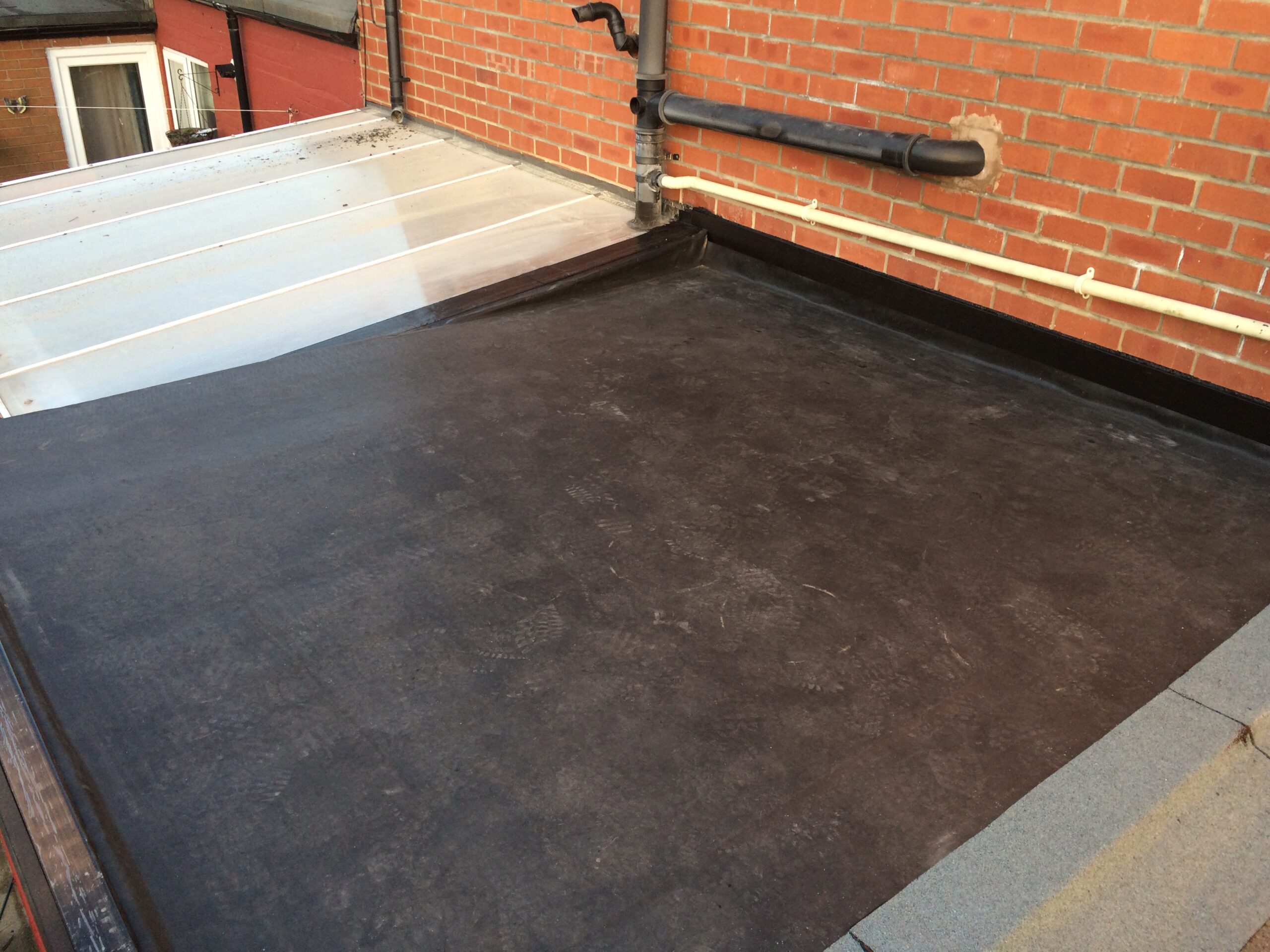
Warning Signs Your EPDM Roof Needs Attention
Catch these warning signs early to prevent more costly repairs and protect your property:
- Persistent puddles that do not drain
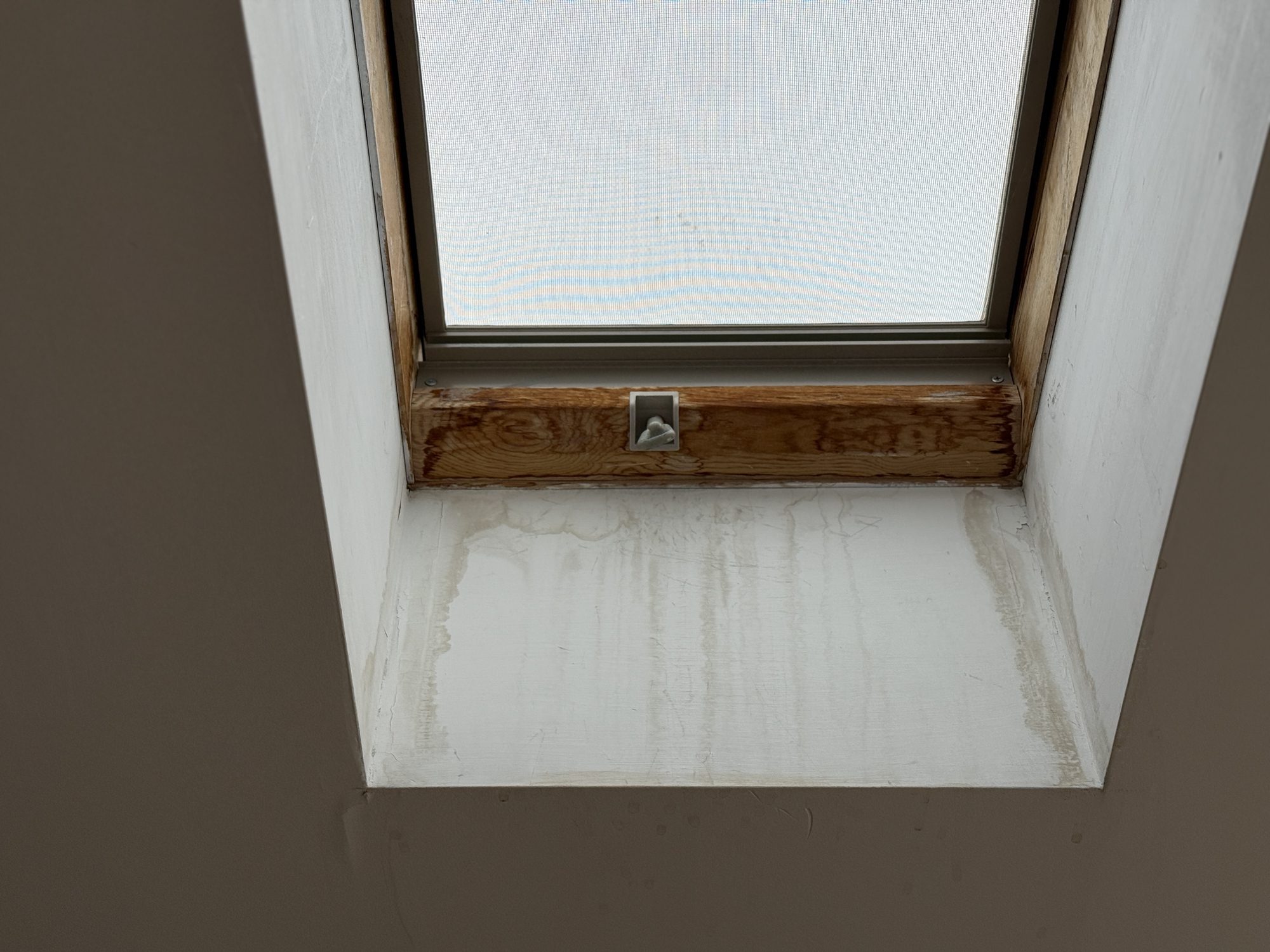
- Dark patches, stains or mould on ceilings below the roof
- Raised bubbles or spongy areas on the roof surface
- Curling or “lifting” at membrane edges or at upstands
- Visible seams, cracks or splits, especially near joints/penetrations
- Moss or plant growth around outlets or roof edges
- Unexplained draughts or cold patches inside the building
Any one of these is a signal to investigate further. Timely action keeps moisture out and your guarantee intact.
Diagnosing Leaks and Hidden EPDM Roof Damage
Some roof leaks are simple to spot, but EPDM can also hide problems beneath the surface. Start inside and inspect top floor ceilings for stains, peeling paint, or musty smells. Safely check the roof surface and walk gently to avoid worsening any damage, looking for soft patches or give, especially near outlets and corners. Focus on joints and seams because the majority of leaks begin where two sections are joined. Examine flashing and details closely around skylights, vents and upstands where shrinkage tends to expose the structure. If a leak is not obvious, run safe water tests only when weather is suitable: pour a small amount of water away from open seams to check for new drips below.
If you cannot find the source or the roof feels unsafe, seek a professional survey. Delaying only increases the risk of extensive water ingress.
What Causes EPDM Roof Problems to Develop?
Several factors contribute to the development and progression of rubber roof issues. Age of the membrane matters, since most EPDM roofs last 20–30 years, but seals and adhesives may fail earlier. Improper installation, including poor edge finishes, trapped air during fitting, or the wrong adhesives, can compromise long-term strength. Impact or foot traffic from dropping tools, overhanging branches or excessive walking can puncture or stretch the membrane. Chemical exposure from some paints, solvents or bitumen-based products damages EPDM’s surface and can cause blisters or rapid wear. Standing water accelerates membrane breakdown and can breed moss or algae, allowing water to creep beneath.
Proper installation and regular inspection make a significant difference to lifespan and reliability.
Material Compatibility: Avoiding Mistakes in EPDM Repair
Not all roofing materials mix safely with EPDM. Using the wrong primer, adhesive, or repair product can cause the rubber to deteriorate, creating more damage than it solves.
Products to avoid include bitumen or asphalt-based compounds that can dissolve EPDM, standard roofing tar, mastics or felt adhesives, and solvents containing petroleum or strong oxidisers.
Instead, always use repair products and adhesives labelled for EPDM, such as butyl-based sealants or specialist tapes and patches. Mixing materials can invalidate your guarantee and lead to further repairs. Consult experienced local roofers in Whitley Bay at North East Contractors Ltd if unsure.
DIY EPDM Repairs: Safety Considerations
Small punctures or minor edge lifts can often be repaired by a competent DIYer, but even simple EPDM repairs have critical safety steps. Never attempt roof work alone and have someone nearby in case of an accident. Avoid working in icy, windy or wet conditions where slips are likely. Use a stable, properly secured ladder with clear access points. Wear soft-soled shoes to avoid damaging the membrane. Only use tools and products specifically approved for rubber roofing.
If in doubt about the roof’s load capacity, height or the location of the fault, stop and contact a professional for advice or a safe repair.
Factors That Influence the Cost of EPDM Roof Repairs
EPDM repair costs in the UK can vary widely based on several key factors:
- Size and type of damage: Small tears or punctures need less material and time than full seam replacement or large area tears.
- Accessibility: Hidden or hard-to-reach areas, such as behind parapets or beneath decking, take longer to repair properly.
- Extent of water damage: If underlying timbers or insulation are wet or decayed, these must be replaced, adding significant cost.
- DIY vs. professional repair: Doing it yourself saves labour but risks invalidating warranties or causing bigger problems if done incorrectly.
- Quality of materials: Specialist EPDM repair kits are affordable, but do not substitute general-purpose adhesives or tapes for proper rubber-compatible products.
To get an accurate idea of cost, professional roofers like North East Contractors Ltd will typically offer a roof survey and tailored quote based on your specific needs.
Repair vs. Replacement: Making the Right Choice
If your EPDM roof is approaching the end of its lifespan or has large, recurring issues, a full replacement may offer better long-term value than repeated patch repairs. Consider replacement when multiple leaks are present, especially after heavy rainfall. It is also sensible when the membrane is brittle, shrunk or lifting across wide sections, or where repairs have failed more than once or the underlying structure is wet or rotted.
For newer roofs with isolated issues, professional repair can restore reliability and keep your guarantee valid. Compare quote costs carefully and factor in the expected lifespan of each solution before deciding.
How Maintenance and Repairs Affect Guarantees and Lifespan
Many EPDM installations come with extended warranties if maintained and repaired using approved methods and compatible products. Unauthorised modifications or poor repairs can void these guarantees. Keeping a proper record of maintenance and repairs is often required by manufacturers to uphold any long-term cover.
Regular checks (especially after major weather events) and prompt, professional repairs maximise your roof’s lifespan and protect your property for decades to come.
What to Do When You Spot a Problem: Next Steps and Getting Help
Check your roof safely for clear damage and evidence of leaks. Temporarily contain the issue if possible: keep the area clear of standing water. Do not attempt complex repairs or resealing in poor weather or without the right equipment.
For peace of mind and timely repairs, speak to a qualified roofer experienced with EPDM. North East Contractors Ltd offers professional survey and repair services for all types of flat and rubber roofs. You can find more about their flat roof repair expertise and book a free consultation by visiting their roofing services page at North East Contractors Ltd for detailed help, quotes, and reassurance.
Plan your EPDM roof repair with confidence
If you have noticed warning signs or want to prevent future problems, do not wait until a small issue becomes a major headache. Contact North East Contractors Ltd for dependable EPDM flat roof repair, honest advice, and guaranteed workmanship throughout the North East.
FAQs: North East Contractors Ltd and EPDM roof repairs
Do you repair EPDM flat roofs in Whitley Bay and nearby areas?
Yes. North East Contractors Ltd repairs and replaces EPDM membranes for homes and businesses across Whitley Bay, North Tyneside and the wider North East.
How quickly can you attend an emergency EPDM roof leak?
For urgent leaks, call our emergency line on 07931 936 889. We prioritise same day attendance where weather and access allow, and we will always advise the safest next step.
How do I book a survey or quote for EPDM roof repairs?
Call 0191 375 8532 to arrange an initial chat. We offer a free initial consultation and, after a survey, a tailored written quote based on your roof’s condition and access.
Do you handle other roofing work alongside EPDM repairs?
Yes. We provide flat roofing, pitched roofing and general roof repairs, so we can tackle associated issues like failed flashing, damaged tiles or drainage problems at the same visit.