The ridge is one of the most exposed parts of your roof. It runs along the highest point where two roof slopes meet, and it plays an important role in protecting the top of your home from rain, wind and weather damage. Because it sits at the peak of the roof, it takes a lot of pressure from strong winds, heavy rain, frost and changing temperatures.
Traditionally, ridge tiles were fixed in place with mortar. This method has been used for many years, but mortar can crack, loosen and fall away over time. When this happens, ridge tiles may become unstable and water can start to get into the roof. A dry ridge system is a modern alternative that uses mechanical fixings rather than relying on mortar alone.
At North East Contractors Ltd, we help homeowners understand when their ridge tiles need attention and whether a dry ridge system may be the right option. As experienced roofers in Whitley Bay, we carry out reliable roof repairs designed to protect homes from water damage, loose materials and long term roofing problems.
This guide explains what a dry ridge system is, how it works, why ridge tiles fail and the signs that your roof may need repair.
What is a dry ridge system?
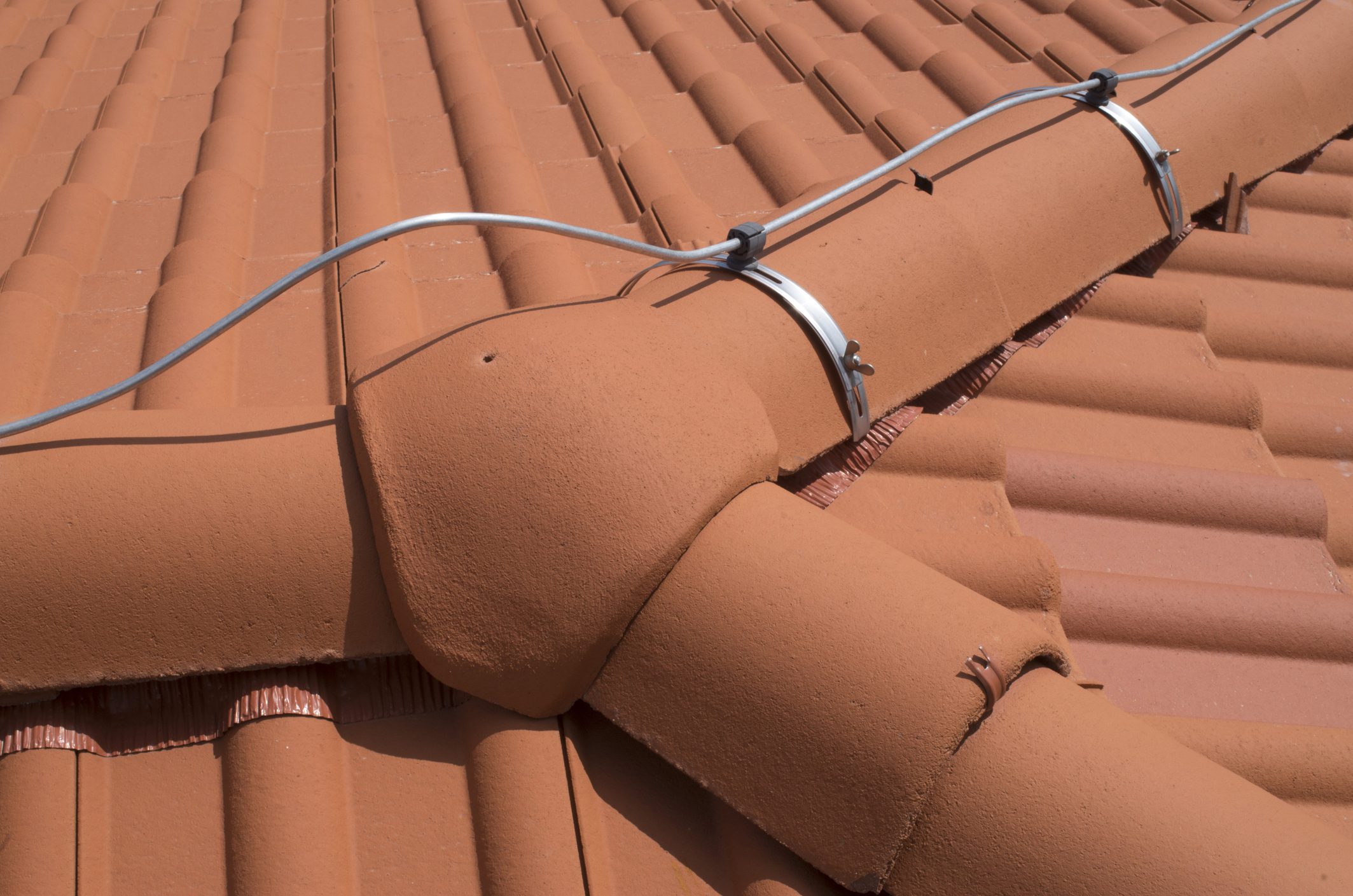
A dry ridge system is a way of fixing ridge tiles without using wet mortar as the main fixing method. Instead, it uses screws, clamps, unions, ventilation rolls and other fixings to secure the ridge tiles mechanically.
The system sits along the top of a pitched roof where the two roof slopes meet. It holds the ridge tiles in place while also helping with roof ventilation. Because the tiles are fixed mechanically, they are less likely to become loose due to cracked mortar.
The word “dry” simply means the system does not rely on wet mortar to hold the ridge tiles in place. This can make it more reliable over time, especially in areas exposed to bad weather.
Dry ridge systems are now widely used on new roofs and roof repairs. They can also be fitted when old mortar ridge tiles have failed or when a homeowner wants a longer lasting ridge solution.
What does the ridge do on a roof?
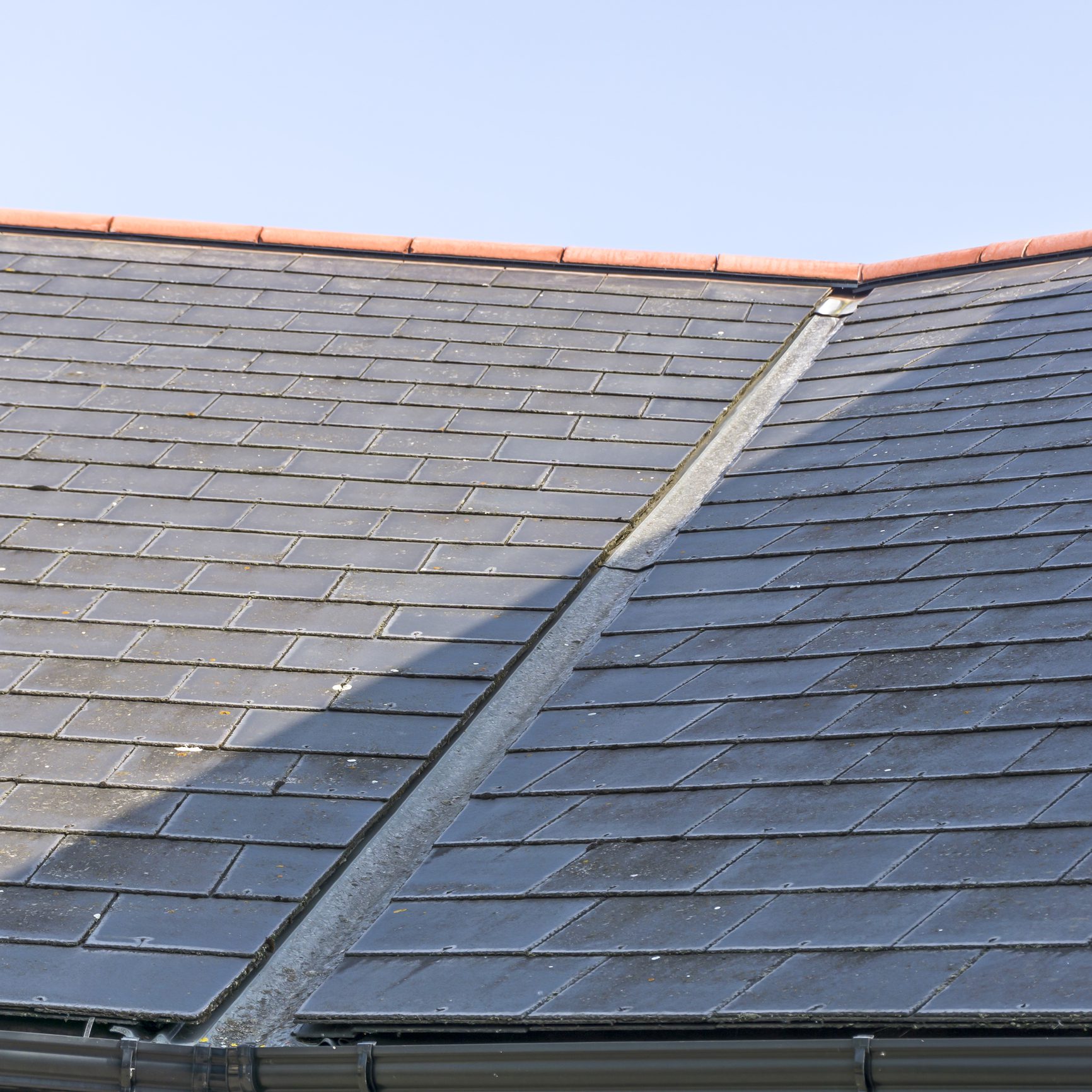
The ridge covers the joint at the top of a pitched roof. Without ridge tiles, the meeting point between the two roof slopes would be exposed to rain, wind and debris.
Ridge tiles help protect the roof structure below. They stop water entering the highest part of the roof and help create a finished, weatherproof line across the top of the property.
Because the ridge is so exposed, it needs to be secure. If ridge tiles become loose, they can create gaps where water can get in. In strong winds, loose ridge tiles can also become dangerous if they move or fall.
This is why it is important to deal with ridge problems quickly. A small area of missing mortar or one loose tile can lead to bigger issues if left untreated.
How traditional mortar ridge tiles can fail
Mortar has been used for many years to bed ridge tiles onto roofs. When first installed correctly, it can hold the ridge tiles in place and create a neat finish. However, mortar is exposed to harsh weather conditions every day.
Over time, rain, frost, sun and wind can weaken the mortar. It may begin to crack, crumble or separate from the ridge tiles. Once small cracks appear, water can enter. In cold weather, that water can freeze and expand, making the cracks worse.
Strong winds can also put pressure on ridge tiles. If the mortar is already weak, tiles may begin to lift or move. Eventually, sections of mortar may fall away completely, leaving gaps along the ridge.
Another issue is that mortar does not allow movement in the same way as a mechanical fixing system. Roofs naturally expand and contract as temperatures change. This movement can put strain on old mortar and cause it to fail over time.
How a dry ridge system works
A dry ridge system secures ridge tiles using mechanical fixings. This usually includes a roll-out ventilation strip laid along the roof ridge, followed by ridge tiles fixed with screws and clamps.
The ventilation roll helps seal the ridge area while allowing air to move through the roof space. This airflow can help reduce moisture build-up in the loft. The ridge tiles are then positioned over the system and fixed down securely.
Each ridge tile is held in place by fixings rather than relying on mortar. This helps the ridge resist wind movement and reduces the risk of tiles becoming loose because of cracked mortar.
A dry ridge system should still be fitted correctly. The roofline needs to be prepared, old materials may need to be removed and the tiles need to be fixed in line with the right method for the roof. Poor installation can still lead to problems, so it is important to use experienced roofers.
Signs your ridge tiles need attention
There are several signs that ridge tiles may need repair or replacement. Some can be seen from ground level, while others may only be found during a roof inspection.
The most obvious sign is missing or loose mortar. You may see gaps beneath the ridge tiles or pieces of mortar in gutters, on paths or in the garden. Cracked mortar along the ridge is also a warning sign.
Another sign is a ridge tile that looks uneven, raised or out of line. Ridge tiles should sit securely along the top of the roof. If one appears to have moved, it should be checked as soon as possible.
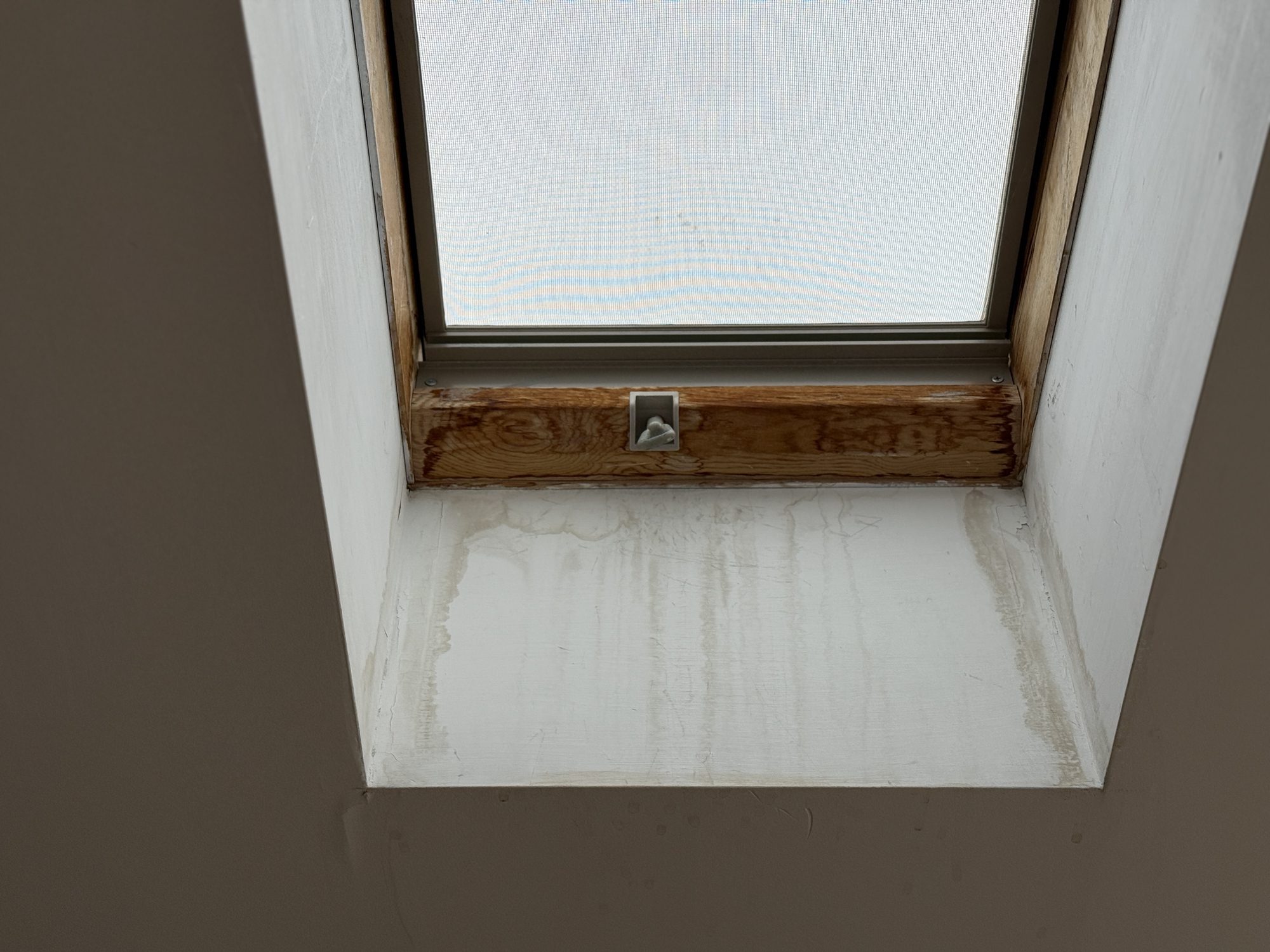
Water stains inside the loft can also point to ridge problems. If rain enters through gaps along the ridge, you may notice damp timber, wet insulation or staining near the highest part of the roof.
After high winds, it is worth checking the roof from the ground. If anything looks different, or if you find broken pieces of mortar outside, the ridge may have been affected.
Why loose ridge tiles should not be ignored
Loose ridge tiles can become a serious problem. Because they sit at the highest point of the roof, they are exposed to strong winds. If a tile becomes unstable, it could move further, damage nearby tiles or fall from the roof.
A loose ridge tile also increases the risk of water getting into the roof. Rain can enter through gaps and soak into the underlay, battens, rafters or insulation. Over time, this can lead to timber damage, damp and mould.
Even if there is no leak inside the property yet, the roof may still be vulnerable. Some leaks take time to show. Water can travel along roof timbers before appearing as a stain on a ceiling or wall.
Dealing with ridge problems early can help prevent more serious roof damage. In many cases, ridge repairs are much easier to manage before tiles become badly displaced.
When might you need a dry ridge system?
A dry ridge system may be worth considering if your existing mortar ridge is cracked, loose or failing. It may also be suitable if ridge tiles have blown off in bad weather or if the same ridge repairs have been needed more than once.
Homeowners often consider dry ridge systems when they want a longer lasting solution than replacing mortar. If the mortar has failed due to age or weathering, simply patching the gaps may not solve the issue for long.
A dry ridge system may also be recommended during larger roofing work. If your roof is being repaired or replaced, it can make sense to install a dry ridge system at the same time, especially if the existing ridge is showing signs of wear.
It is not always necessary to replace every ridge with a dry system. The right approach depends on the condition of the roof, the type of tiles and the extent of the problem. A proper inspection can help decide whether a targeted repair or full dry ridge installation is best.
Dry ridge systems and roof ventilation
One benefit of many dry ridge systems is that they can help with roof ventilation. Roof ventilation allows air to move through the roof space, which can help reduce condensation.
Condensation in the loft can be a problem when warm, moist air from the home rises and meets colder surfaces in the roof space. Over time, this can lead to damp insulation, mould and timber issues.
A dry ridge system can allow airflow at the top of the roof while still protecting against rain. This does not mean it solves every ventilation problem by itself, but it can be part of a well ventilated roof system.
Good ventilation is especially important in modern homes with insulation. Insulation helps keep heat inside the property, but the roof space still needs enough airflow to manage moisture.
Can dry ridge systems be fitted to older roofs?
Yes, dry ridge systems can often be fitted to older roofs, but the roof should be checked first. The condition of the tiles, battens, underlay and roof structure matters.
If the roof is generally in good condition and the main issue is failing ridge mortar, a dry ridge system may be a suitable repair. However, if the roof has widespread damage, rotten timbers, failing underlay or many broken tiles, other repairs may be needed as well.
It is important not to treat the ridge as separate from the rest of the roof. A dry ridge system can secure the top of the roof, but it will not fix problems elsewhere. If tiles are slipping or water is entering through valleys, flashing or broken roof coverings, those issues also need attention.
A professional roofer can assess whether the roof is suitable and explain what work is needed before the dry ridge is installed.
Dry ridge system vs mortar ridge
The main difference between a dry ridge system and a mortar ridge is how the ridge tiles are fixed. A mortar ridge relies on wet mortar to bed and hold the tiles. A dry ridge system uses mechanical fixings.
Mortar can look neat when new, but it can crack and fail as it ages. Once the mortar breaks down, ridge tiles can become loose. Dry ridge systems reduce this problem because the tiles are fixed in place with screws and clamps.
Another difference is ventilation. A dry ridge system can allow controlled airflow through the roof ridge, while traditional mortar does not usually provide the same ventilation benefit.
That said, both systems need good workmanship. A badly fitted dry ridge system can still cause issues, just as poor mortar work can fail early. The quality of installation matters.
What happens during dry ridge installation?
The first step is usually to inspect the roof and check the condition of the ridge tiles and surrounding roof covering. If the existing ridge is bedded in mortar, the old mortar will usually need to be removed.
The ridge area is then prepared. Damaged tiles, weak battens or other defects may need attention before the new system is fitted. The ventilation roll is laid along the ridge and shaped to suit the roof tiles. Ridge tiles are then placed back in position and secured using the mechanical fixings.
The finished ridge should be straight, secure and weatherproof. It should allow ventilation while preventing rain from entering the roof space.
The exact process depends on the type of roof and the system used. Some roofs may need additional preparation, especially if the existing materials are old or damaged.
Can you fit a dry ridge system yourself?
It is not recommended to fit a dry ridge system yourself. Ridge work involves working at height, usually at the highest and most exposed part of the roof. This can be dangerous without the right access equipment and experience.
There is also a risk of damaging the roof if the system is fitted incorrectly. Ridge tiles need to be secured properly, and the ventilation roll must be installed in a way that keeps water out. If the system is not fitted correctly, leaks, loose tiles and wind damage can still occur.
A professional roofer can inspect the roof, prepare the area safely and fit the system correctly. This gives you greater confidence that the ridge is secure and watertight.
How long does a dry ridge system last?
A well fitted dry ridge system is designed to last for many years. Its lifespan depends on the quality of the system, the condition of the roof, the level of exposure to weather and the standard of installation.
Because it does not rely on mortar as the main fixing method, it is less likely to suffer from cracked or crumbling mortar. However, the roof should still be checked from time to time, especially after severe weather.
No roofing system should be ignored completely. Regular visual checks from ground level can help spot early signs of movement or damage.
How to maintain your ridge tiles
You do not need to climb onto the roof to maintain ridge tiles. From ground level, look for visible changes in the ridge line, missing mortar, displaced tiles or debris in gutters and around the property.
After storms, check whether any ridge tiles appear to have moved. Also look for damp patches in the loft or ceilings near the top of the roof.
Keeping gutters clear can also help protect the roof overall. Blocked gutters can cause water to back up, which may affect roof edges, walls and other parts of the property.
If you notice anything unusual, arrange a professional inspection rather than waiting for a leak to appear.
Why choose North East Contractors Ltd?
At North East Contractors Ltd, we understand how important secure ridge tiles are to the condition of your roof. Whether your mortar is cracking, your ridge tiles have moved or you are considering a dry ridge system, we can help you understand the best next step.
We inspect the roof carefully, explain what we find and recommend practical repair options. Our team focuses on making your roof safe, watertight and ready to cope with future weather.
If a dry ridge system is suitable, we can fit it properly and make sure the surrounding roof area is checked at the same time. If another repair is more appropriate, we will explain that clearly.
Contact North East Contractors Ltd Today!
A dry ridge system is a modern way to secure ridge tiles without relying on mortar as the main fixing method. It can be a good option when old ridge mortar is cracked, loose or failing, and it can also help with ventilation at the top of the roof.
Ridge problems should not be ignored. Loose ridge tiles can lead to leaks, further roof damage and safety risks if they fall during high winds. Early inspection and repair can help protect your home and avoid bigger problems later.
If you are concerned about your ridge tiles or want advice on whether a dry ridge system is suitable for your property, get in touch with North East Contractors Ltd today.