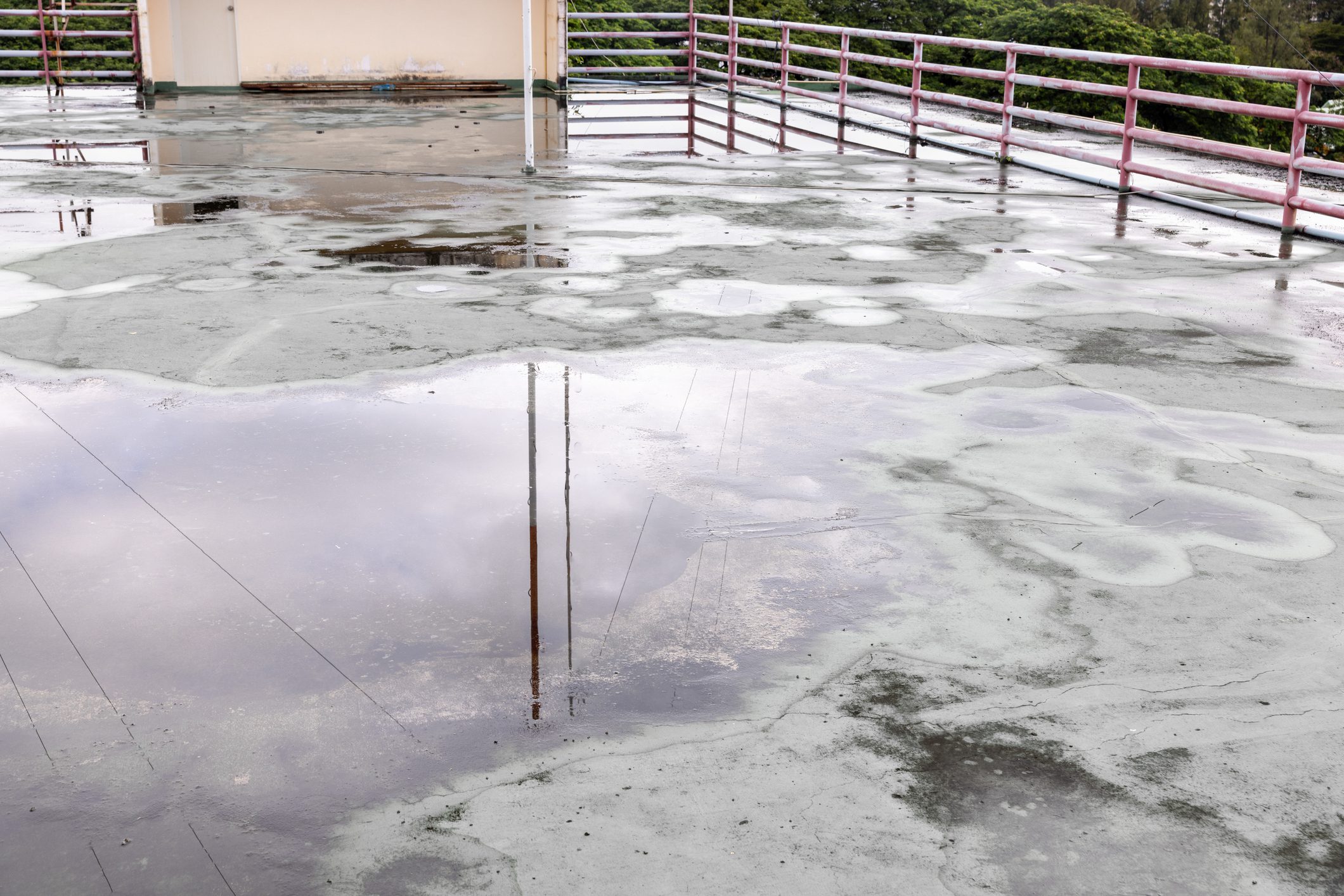
Flat roofs are a popular choice for extensions, garages, porches, and commercial buildings. However, when they reach the end of their life, they can begin to show signs of wear, such as leaks, cracks, or pooling water.
If you’re considering replacing your flat roof, one of the first questions that often arises is: how much will it cost? The answer depends on several factors, but the most significant influence is the material you choose.
The three most common flat roofing systems used today are GRP (also known as fibreglass), EPDM rubber and traditional felt. Each option has its own advantages, lifespan expectations, and price range, so it’s worth understanding the differences before making a decision.
Generally, flat roof replacements are priced per square metre. The overall cost will depend on the size of the roof, its accessibility, whether the old roof needs to be entirely removed, and the complexity of the edges or detailing.
Location can also play a part, as labour rates vary between regions. With that said, we can compare material types to get a realistic picture of what you can expect to budget for.
Understanding The Main Cost Factors Of Roof Replacements
The size of your roof is the most obvious factor influencing cost. A small garage roof will naturally be cheaper than a large commercial roof or house extension, simply because of the difference in labour and materials required.
Another key element is the condition of the existing roof. If the old material needs to be stripped away, or if the boarding underneath has started to rot and requires replacement, the price will increase accordingly. The complexity of the roof also makes a difference.
Features such as skylights, parapet walls, gutters or changes in level take more time and care to seal properly. Finally, consider whether you want a standard installation or something with upgraded insulation, edge trims or extended guarantees.
All of these choices contribute to your final quote.

GRP Roofing (Fibreglass)
GRP roofing has become a popular flat roofing solution due to its clean appearance and long lifespan. The system is applied using layers of fibreglass matting and resin that bond together to create a single, seamless surface. Once cured, it forms a solid, watertight finish that is strong and resistant to cracking. GRP roofs are also known for being easy to maintain and for withstanding foot traffic well, which is particularly helpful if the roof requires occasional access.
In terms of cost, GRP is generally towards the higher end of the spectrum compared to felt, but it is usually competitive with or slightly above EPDM. Many homeowners consider the higher initial price worthwhile because GRP roofs can last 20 to 30 years or more when properly installed and maintained.
GRP is also available in different colours and can be finished with neat edges and trims, making it visually appealing on modern extensions.
The primary drawback of GRP is that it requires favourable weather conditions during installation. Cold or wet conditions can affect how the resin cures, so timing the work is essential.
However, an experienced installer will always take this into account. GRP suits roofs that need a durable, long-lasting finish and where appearance is a consideration.
EPDM Roofing (Rubber)
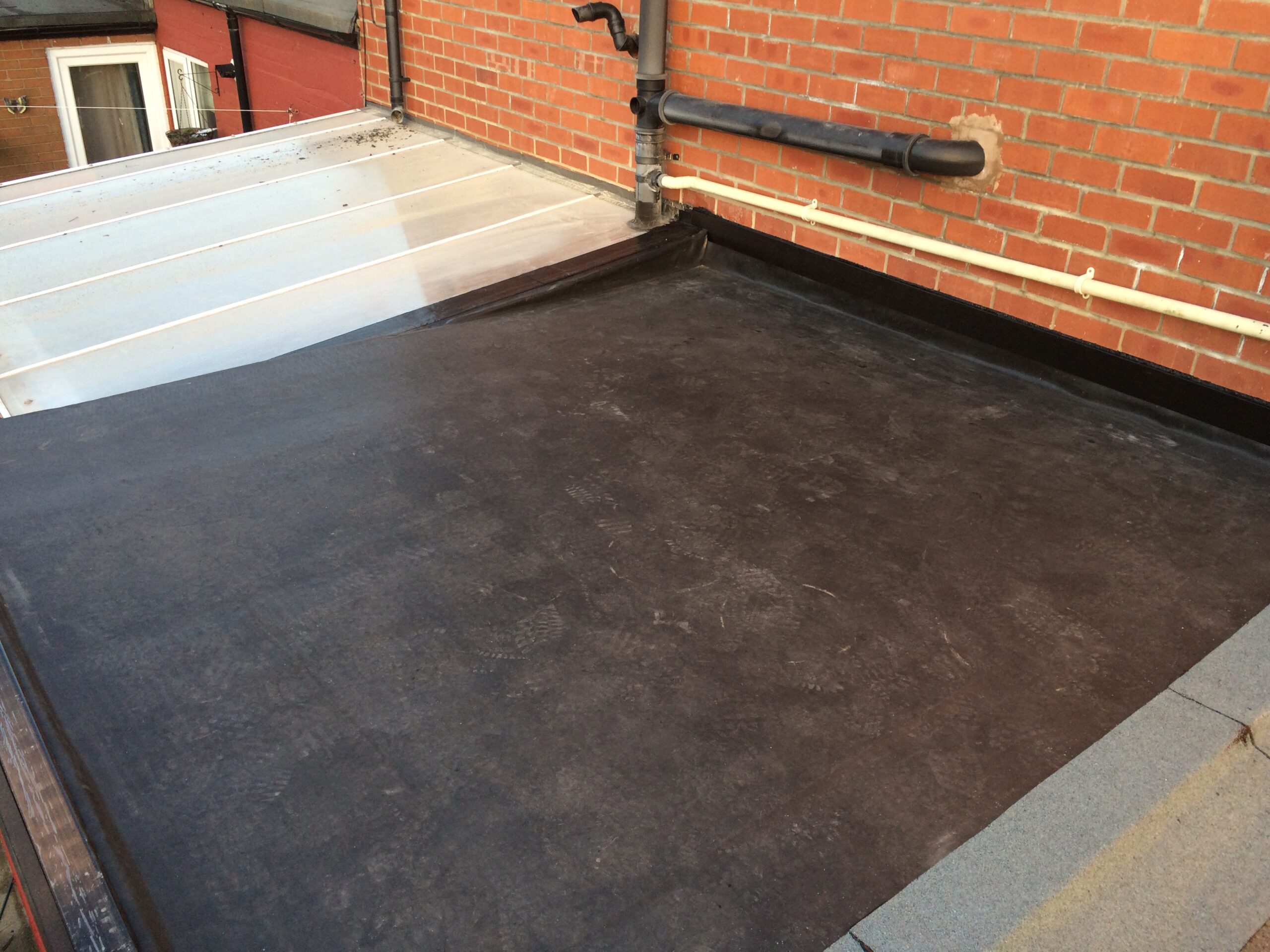
EPDM is a synthetic rubber roofing membrane that has gained popularity due to its simplicity and long-standing performance record. It is typically supplied as a large, single sheet of material that is rolled out onto the prepared roof deck and bonded into place.
The lack of joins is a significant benefit, as fewer seams mean fewer potential leak points. EPDM is known for being flexible, resistant to UV rays and able to withstand extreme temperatures without shrinking or cracking.
EPDM is usually priced competitively and often comes in slightly cheaper than GRP. Its lifespan is also impressive, commonly reaching around twenty to twenty-five years, and sometimes more.
Maintenance requirements are minimal, making it a practical solution for garages and larger flat roof areas where ease of installation and durability are key considerations.
Where EPDM is slightly less appealing is in its appearance. The finish is a smooth, black surface that doesn’t offer the same aesthetic options as GRP. It can also be more prone to scuff marks if frequently walked on. Nevertheless, if you want a cost-effective, long-lasting and low-maintenance roof, EPDM is a strong choice.
Felt Roofing
Traditional felt roofing has been around for decades and remains a standard option, especially where budget is a priority. Modern felt roofs are a significant improvement over older versions and are typically installed using a torch-on technique that bonds multiple layers to create a weatherproof surface.
Felt roofs are relatively quick to install and can be easily shaped around edges and details.
The main attraction of felt is its cost, which makes it suitable for smaller roofs, such as sheds or garages, where budgets are limited. However, the trade-off is lifespan.
Felt generally lasts around ten to fifteen years before it begins to show wear, and it may require occasional patch repairs over time. Because of this, felt is best considered when you need a short- to medium-term solution or when the roof area is not highly visible.

Choosing Between GRP, EPDM and Felt
If your priority is a clean, modern appearance and a long service life, GRP is likely the strongest candidate. If you’re looking for something durable and reliable with minimal maintenance, yet at a slightly lower price point, EPDM offers excellent value.
If budget is the deciding factor and you don’t mind a shorter lifespan, felt can still do the job effectively. The best choice depends on how long you want the roof to last, how you intend to use it and the look you want to achieve.
When It’s Time to Replace Rather Than Repair
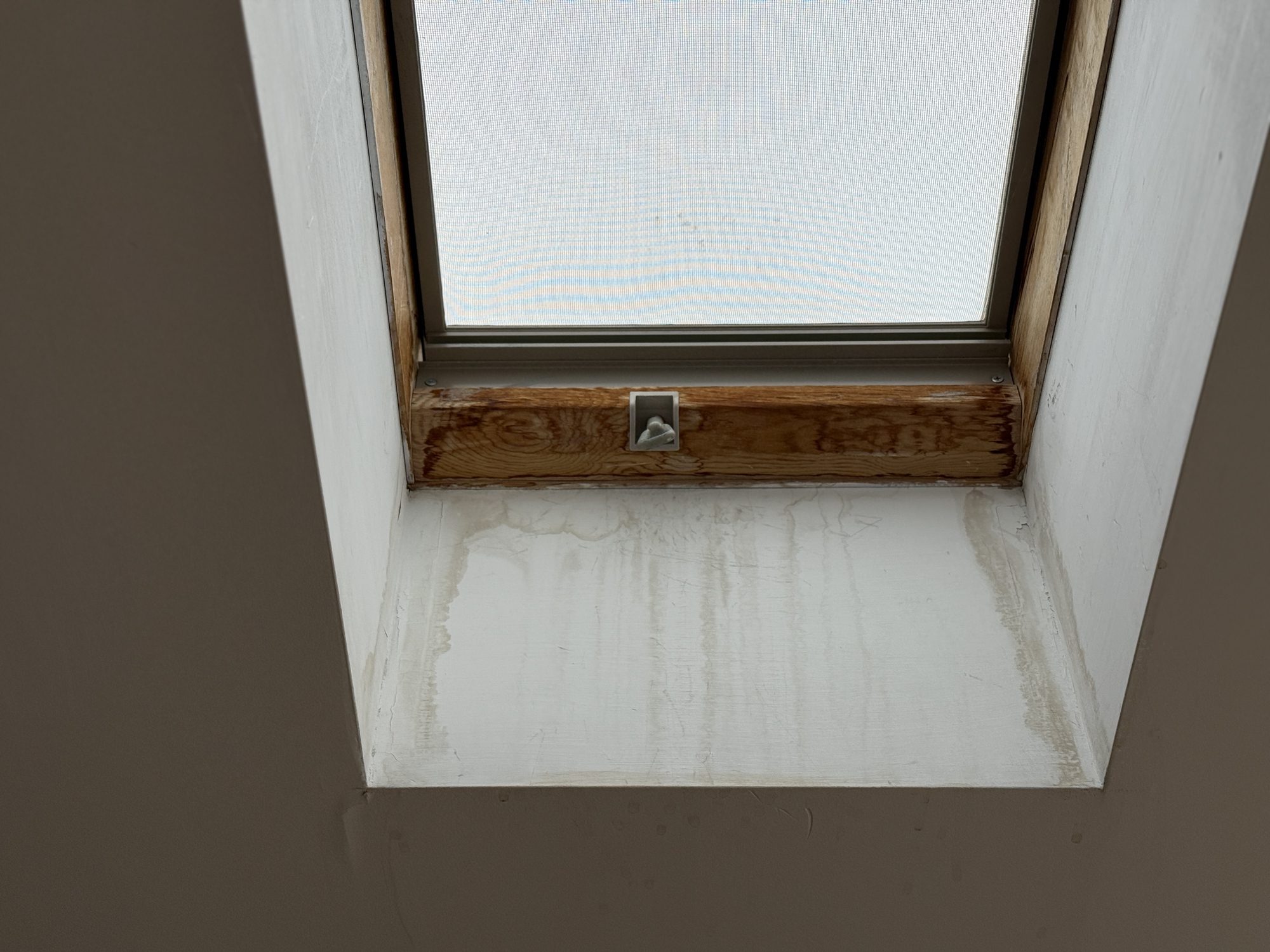
A small leak or isolated damage can often be repaired. Still, when the roof starts to show widespread cracking, bubbling, sagging or persistent water pooling, replacement usually becomes the most cost-effective option.
A professional roofer will be able to assess the condition of both the surface layer and the decking underneath to determine the necessary work.
Getting an Accurate Quote
The most reliable way to understand your exact flat roof replacement cost is to request a site survey or provide photos and measurements to a roofing specialist.
They will be able to evaluate the roof, discuss material options and provide a clear breakdown so you can make an informed decision.
Choosing a trustworthy contractor with proven experience is crucial, as the quality of installation has a significant impact on how long your flat roof will last.