Whitley Bay is known for its striking coastline, beautiful sandy beaches and open sea views, but the weather that shapes this landscape is also tough on local roofs. Homeowners in Whitley Bay face conditions that differ from inland areas, which means their roofs require more careful maintenance, more durable materials and more frequent inspections. Although roofing services across the North East understand the general challenges of the region, roofing in Whitley Bay brings its own set of concerns due to the salt air, strong winds and year round moisture. This guide explains how coastal weather influences roof performance and what you can do to protect your home against premature wear.
Understanding Coastal Weather Conditions in Whitley Bay
Whitley Bay sits directly on the North Sea, where weather patterns are shaped by open water, fast moving winds and constantly changing temperatures. Coastal weather behaves differently from inland conditions, which often means roofs in Whitley Bay experience more strain than those further from the shoreline. Homeowners regularly deal with heavy rain, sudden gusts, salt laden air and seasonal storms that roll in across the sea with little warning. These conditions gradually weaken roofing materials and increase the likelihood of roof repairs becoming necessary.
While many roofs across the UK deal with rainfall and changing temperatures, coastal homes face more aggressive forms of the same challenges. The combined effect of salt, wind and moisture can cause accelerated wear across all roofing materials, including slate, tiles, felt, EPDM and metal systems. For this reason, roof maintenance becomes even more important for property owners in Whitley Bay.

How Salt Air Affects Roofing Materials
One of the most significant coastal influences on roofing is salt. Salt carried in the air travels inland on sea breezes and settles on the surface of roofs. While the presence of salt might not seem dangerous, it can gradually degrade materials over time. Metal components, particularly untreated steel and iron fixings, are vulnerable to corrosion when subjected to constant salt exposure. Even galvanised metal can begin to corrode if not maintained properly.
Salt does not only affect metal. Certain types of tiles can weaken or erode faster when salt is present on the surface. If tiles absorb moisture, salt can crystallise inside the material and expand, leading to small cracks that gradually worsen. Although slate is generally more resistant, even slate roofs benefit from regular inspections to ensure the fixings, edges and ridge lines remain structurally sound.
Choosing materials that can withstand salt air is essential for long term performance. EPDM roofs, high grade slate, marine grade metal and modern roofing membranes often perform better in coastal settings. Homeowners in Whitley Bay often find that investing in slightly higher quality materials early on can save them significant money over the lifespan of the roof.
The Impact of High Winds on Roof Stability
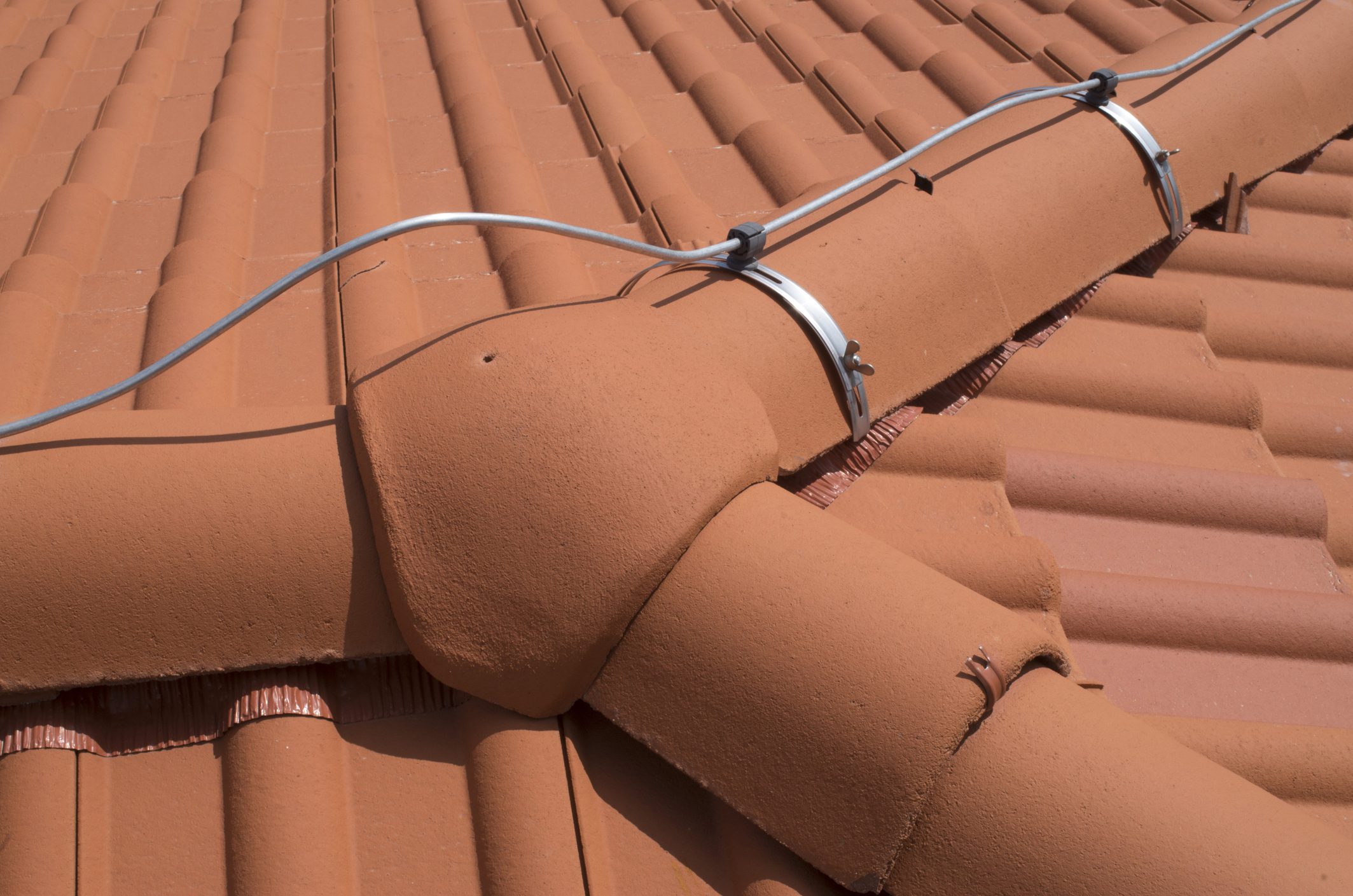
Whitley Bay is no stranger to strong winds, especially during the autumn and winter months when storms move inland from the North Sea. These winds can lift ridge tiles, loosen slates, damage flat roof coverings and cause debris to strike the roof surface. High winds can also place pressure on the join between the roof and the external walls, which may cause instability if the structure is already weakened.
One of the most common wind related problems is displaced tiles. A single loose tile can quickly become a weak point that allows water to enter. If the wind manages to lift several tiles in the same area, a leak can spread across the roof deck much faster than homeowners expect. Roofers in Whitley Bay frequently respond to cases where a minor issue has escalated due to wind exposure.
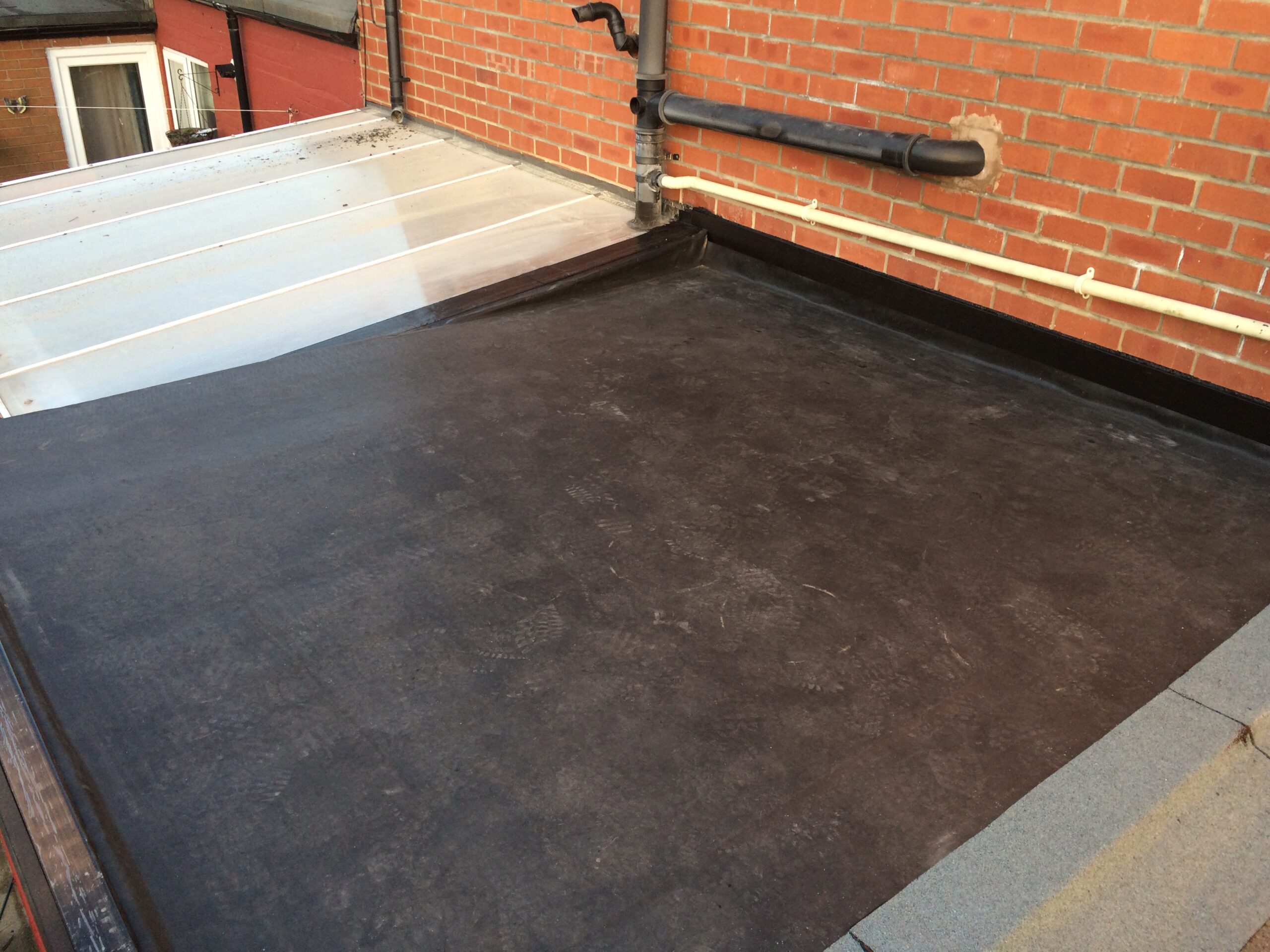
Flat roofs are also vulnerable to uplift during strong winds. Poorly installed membranes or aged coverings can detach from the roof deck and fold back during storms, exposing the underlying structure to rainfall. EPDM rubber roofing is often a preferred choice in Whitley Bay because it has better resistance to wind uplift than many older felt systems.
Constant Moisture and Its Long Term Effects
Living beside the sea means living with persistent moisture. Even when it is not raining, the coastline experiences higher humidity than inland areas. Moisture clings to the roof surface, particularly in shaded or wind sheltered areas, which encourages moss and algae growth. Although moss might seem harmless, it retains water and places additional stress on the roof material.
Excessive moisture can cause timber structures to weaken, particularly in older properties where ventilation may not meet modern standards. Ventilation systems must be checked regularly to ensure they are working effectively, as poor airflow inside the roof space can lead to condensation. Condensation becomes especially problematic during winter when warm indoor air meets cold roofing materials.
Roofing companies in the Whitley Bay area often recommend regular maintenance for this reason. Cleaning moss from the surface, checking gutters for moisture blockages and inspecting the roof deck for early signs of rot help extend the lifespan of the roof. Moisture related issues tend to worsen slowly, which means early detection is crucial.

Rainfall and Drainage Concerns
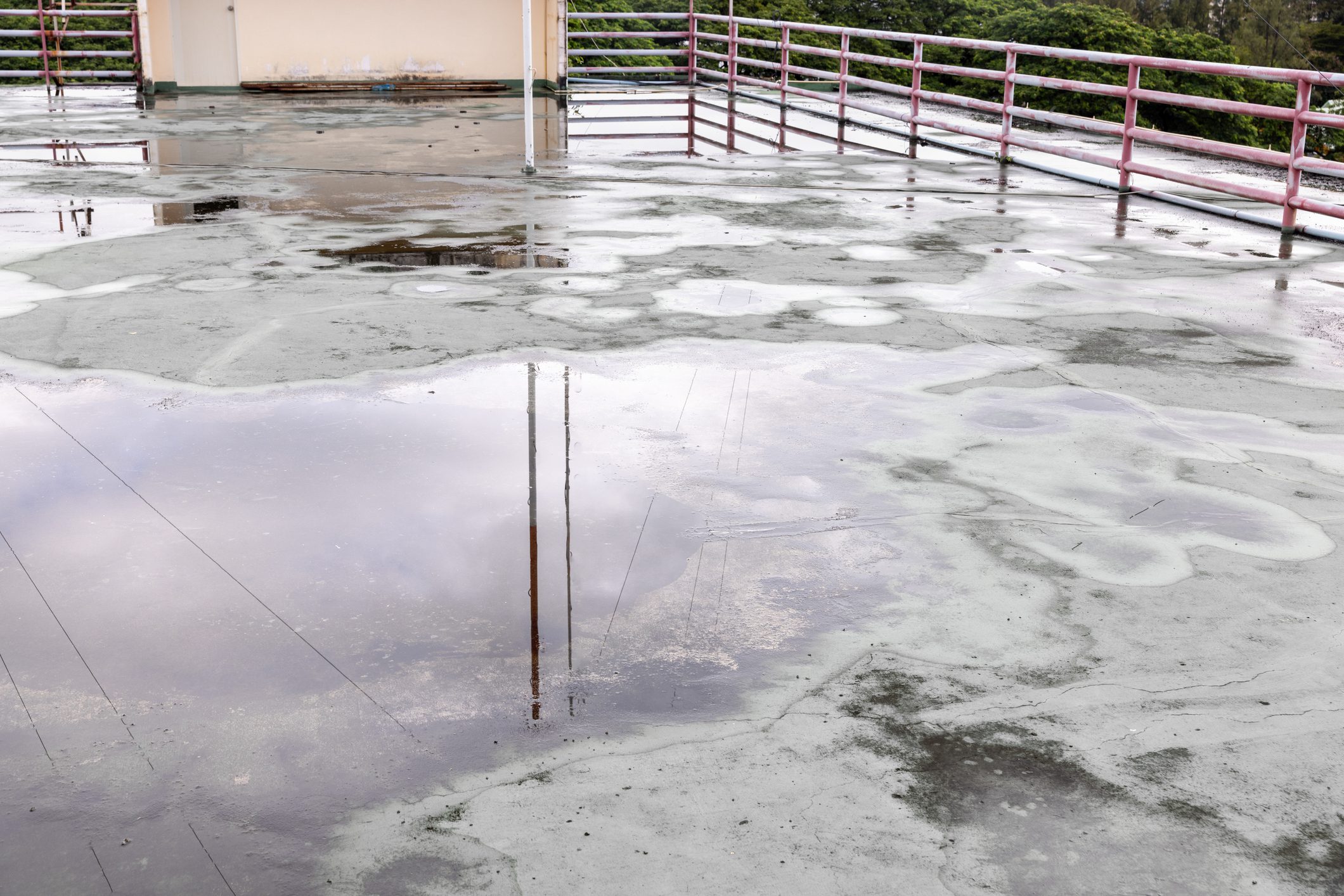
Whitley Bay receives frequent rainfall throughout the year, which places ongoing pressure on roof drainage systems. Gutters, downpipes and roof valleys must be kept clear to prevent water from backing up. When water cannot drain properly, it pools on flat roofs or runs beneath roof coverings on pitched roofs, causing leaks.
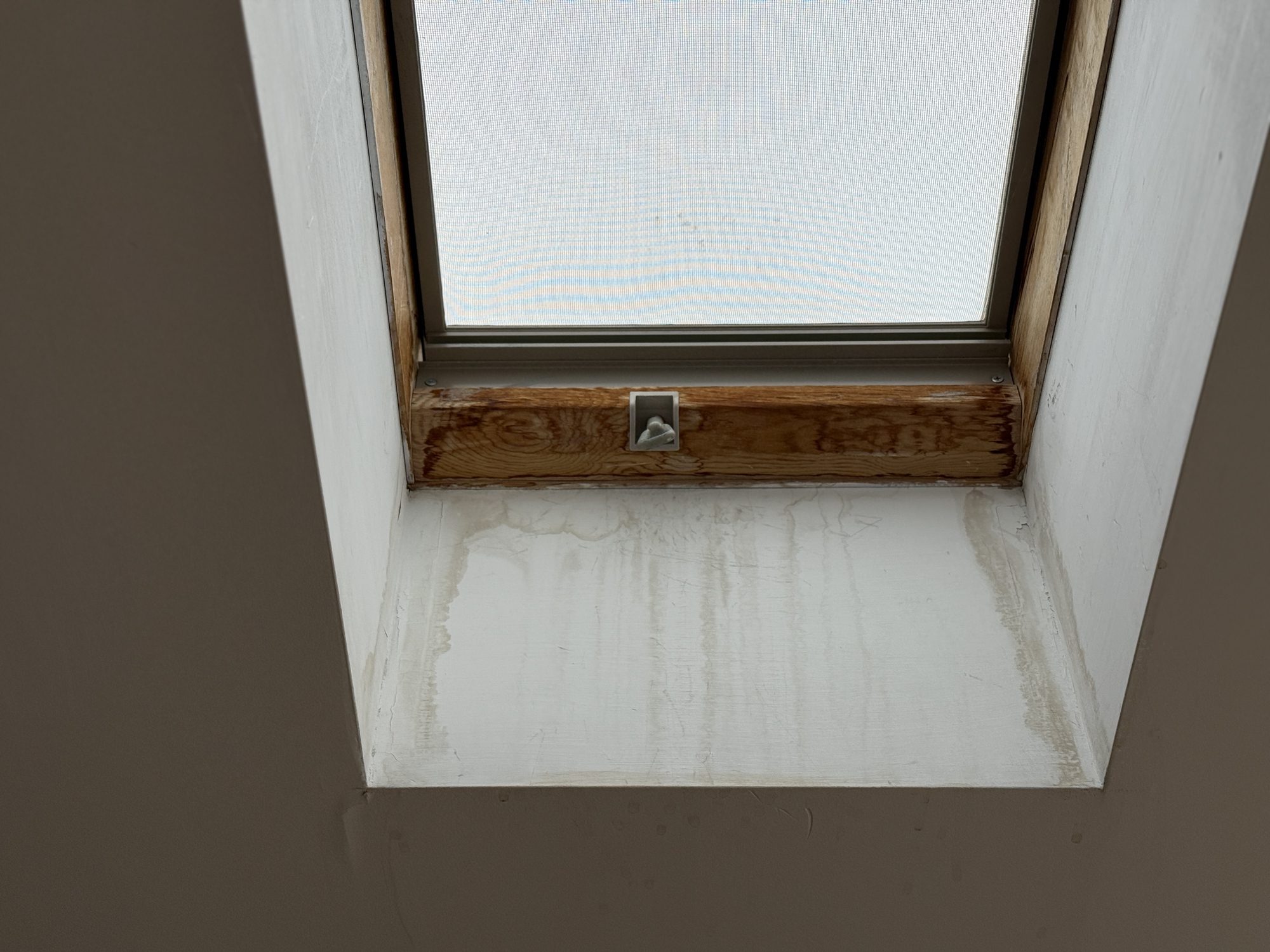
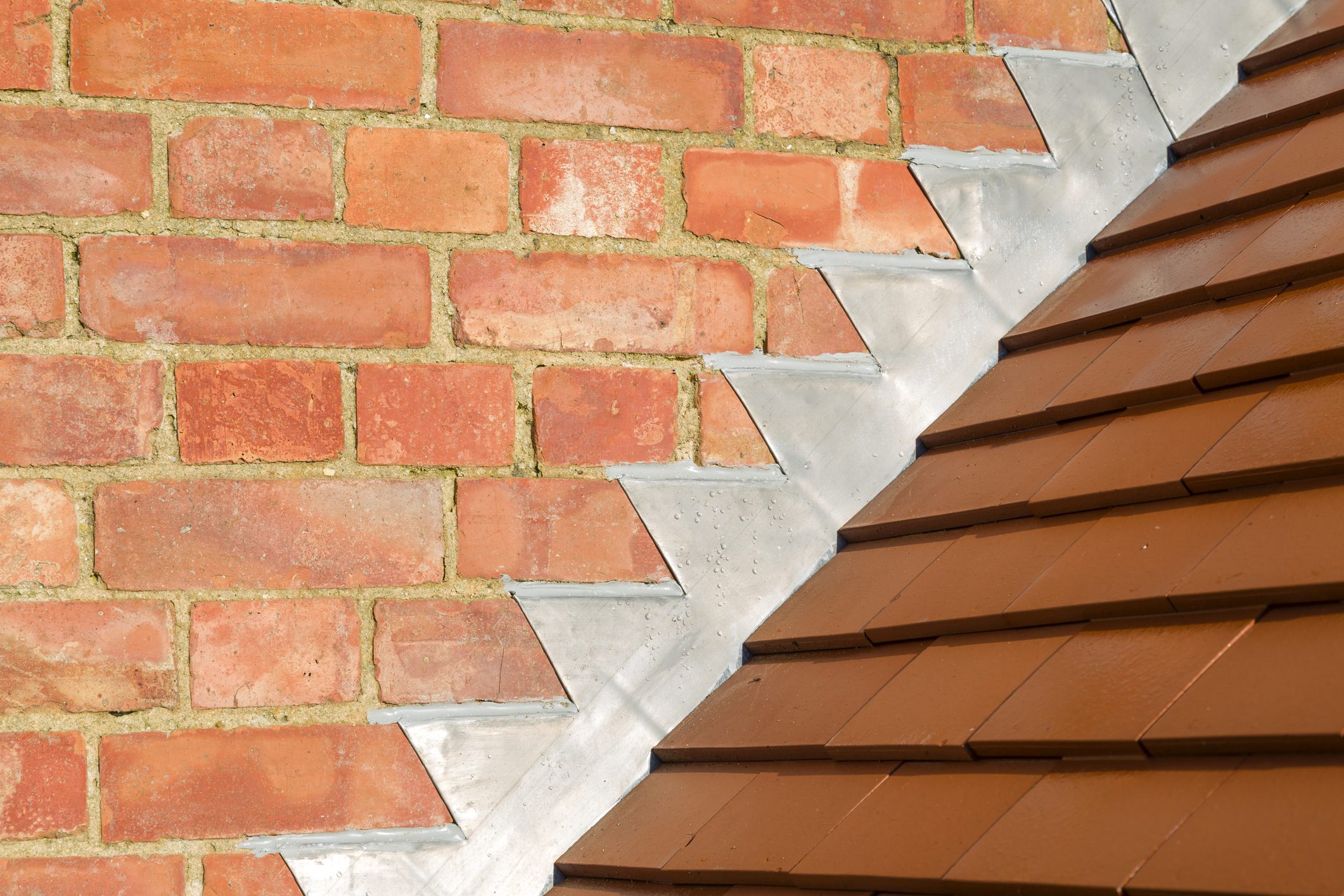
Heavy rain can also expose weaknesses in flashing around chimneys, skylights and dormers. Flashing that is cracked or lifting away from the surface allows water to enter the roof structure. Over time, even a small leak can cause damage to insulation, ceilings and supporting timbers.
Many property owners assume that rainfall alone is responsible for leaks, but in coastal areas it is the combination of rain and wind that creates the most issues. Wind driven rain can enter small gaps that would otherwise remain dry. This is why roofing in Whitley Bay must be secured properly, with ridge and verge systems installed using materials suited to harsh conditions.
Storm Damage and the Need for Emergency Repair
Storm damage is more common in Whitley Bay than in many inland towns due to its exposed coastline. A sudden storm can cause loose roof tiles to detach, chimney mortar to fail, or old felt roof coverings to tear. Emergency roof repair services become essential during the storm season to prevent further water damage.
Experienced roofing contractors often advise homeowners to inspect their roofs immediately after severe weather. Even if the roof appears intact from ground level, hidden issues may be present. A small amount of damage can quickly escalate if the next storm arrives before repairs are completed.
Properties with older roof coverings, particularly felt systems installed many years ago, face an increased risk of failure during strong weather. Upgrading to a more durable flat roof material, such as EPDM, can reduce the likelihood of emergency repair needs.
Choosing the Right Roofing Materials for Coastal Conditions
Selecting materials designed for coastal weather is essential for long term roof performance. The wrong material can deteriorate quickly in Whitley Bay, but the right material can last decades with proper care.
Some of the best materials for coastal roofing include:
EPDM rubber roofing
This material offers excellent weather resistance, wind stability and durability.
High grade slate
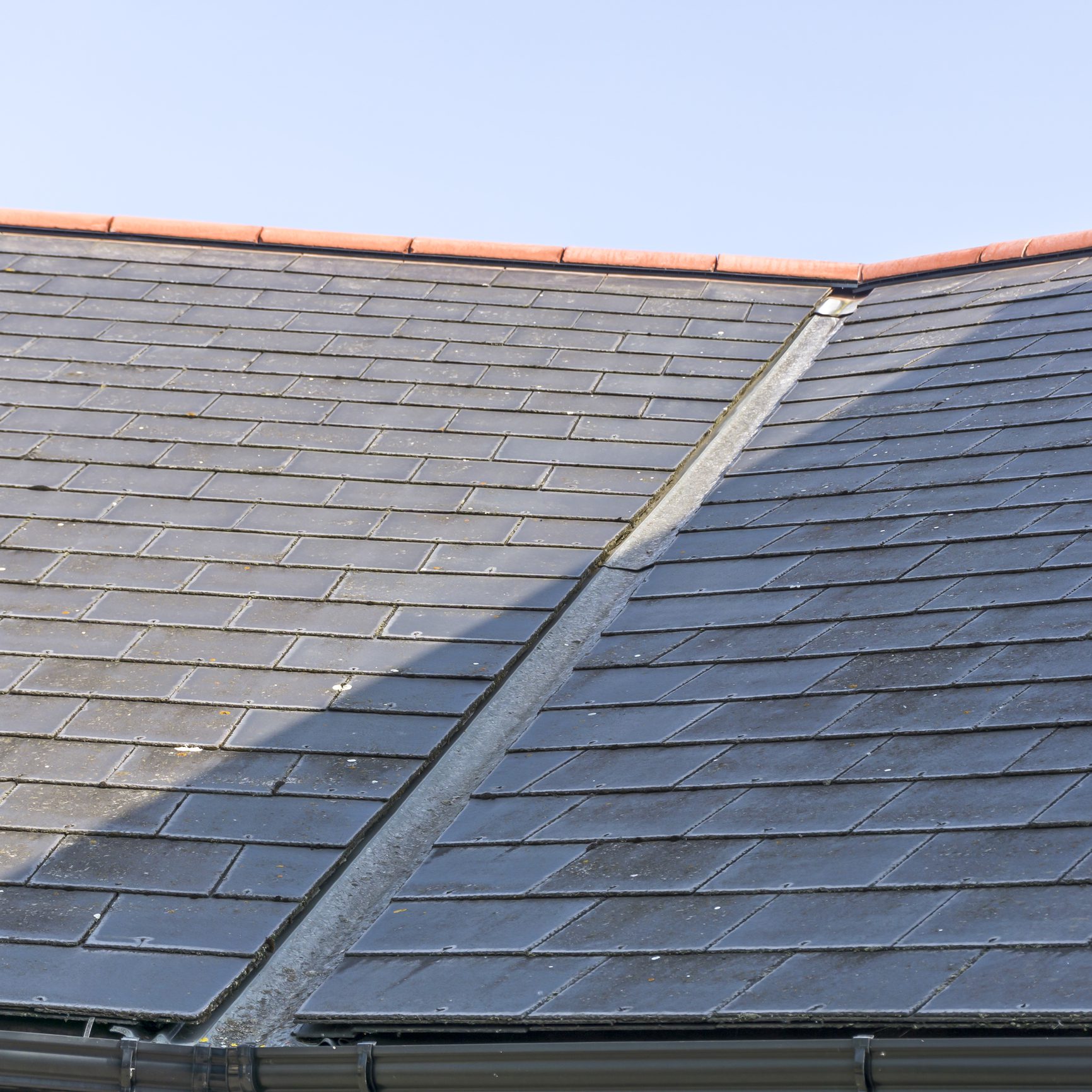
Slate can withstand salt, moisture and temperature changes while offering long lifespan.
Metal roofing systems
When manufactured from marine grade metals, these roofs resist corrosion and provide strong protection.
Modern roofing membranes
These products create watertight surfaces ideal for flat roofs exposed to heavy rainfall.
Roof maintenance is equally important. Even the best roofing materials require periodic checks to ensure fixings remain secure and the system stays watertight.
Improving Roof Lifespan Through Regular Inspections
Routine inspections are one of the most effective ways to extend the lifespan of a coastal roof. Whitley Bay homeowners benefit from annual inspections as well as checks after significant storms. A professional roofer can identify loose tiles, early signs of corrosion, failing flashing or areas of trapped moisture before major damage occurs.
Inspections also provide reassurance for homeowners who want to avoid expensive repairs. A roof may appear fine externally, but internal issues can still be present. Regular maintenance helps ensure both long term performance and peace of mind.