A leaking chimney can be frustrating, worrying and difficult to trace. You may notice damp patches on the chimney breast, water stains on the ceiling, peeling wallpaper, mould, a musty smell or dripping during heavy rain. In some cases, the leak only appears when the wind blows rain in a certain direction. In others, the problem may continue long after the rain has stopped.
Chimneys are one of the most exposed parts of a property. They sit high above the roofline and take the full force of rain, wind, frost and changing temperatures. Over time, brickwork, mortar, flashing and surrounding roof materials can wear down. Once water finds a way in, it can travel through the chimney structure, roof space or internal walls before it becomes visible inside the home.
At North East Contractors Ltd, we help homeowners find and repair chimney related roofing problems. As experienced roofers in Whitley Bay, we understand how chimney leaks develop and how important it is to deal with the cause, not just the damp patch inside. Our roof repairs are carried out with care so your home is protected from further water damage.
This guide explains the common causes of leaking chimneys, the signs to look out for and the repair options that may be needed.
Why chimneys are prone to leaks
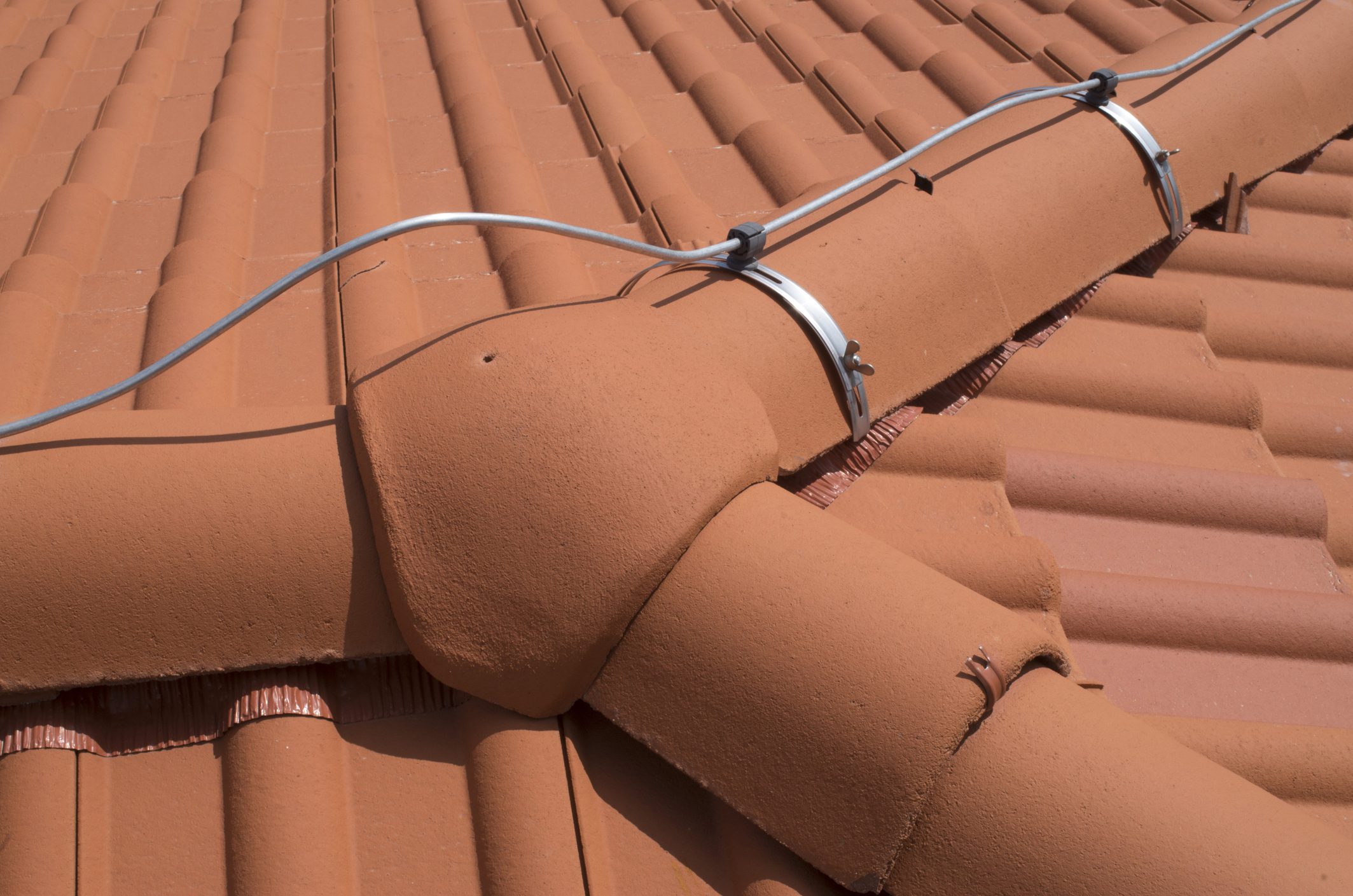
Chimneys are vulnerable because they create a break in the roof covering. Any point where the roof meets another structure needs to be sealed properly. Around a chimney, this usually means flashing, mortar, brickwork and sometimes leadwork or other weather-proofing details.
A roof tile or slate has one main job, which is to direct rainwater down the roof and into the guttering. A chimney interrupts that flow. Rainwater must be guided around the chimney without being allowed to enter the roof space or soak into the brickwork. If any part of that system fails, a leak can follow.
Chimneys are also exposed on all sides. Wind driven rain can hit the brickwork directly, and frost can cause cracks to widen over time. Older chimneys may have worn pointing, damaged pots, loose flaunching or tired flashing. Even small defects can let water in when the weather is poor.
Common signs of a leaking chimney
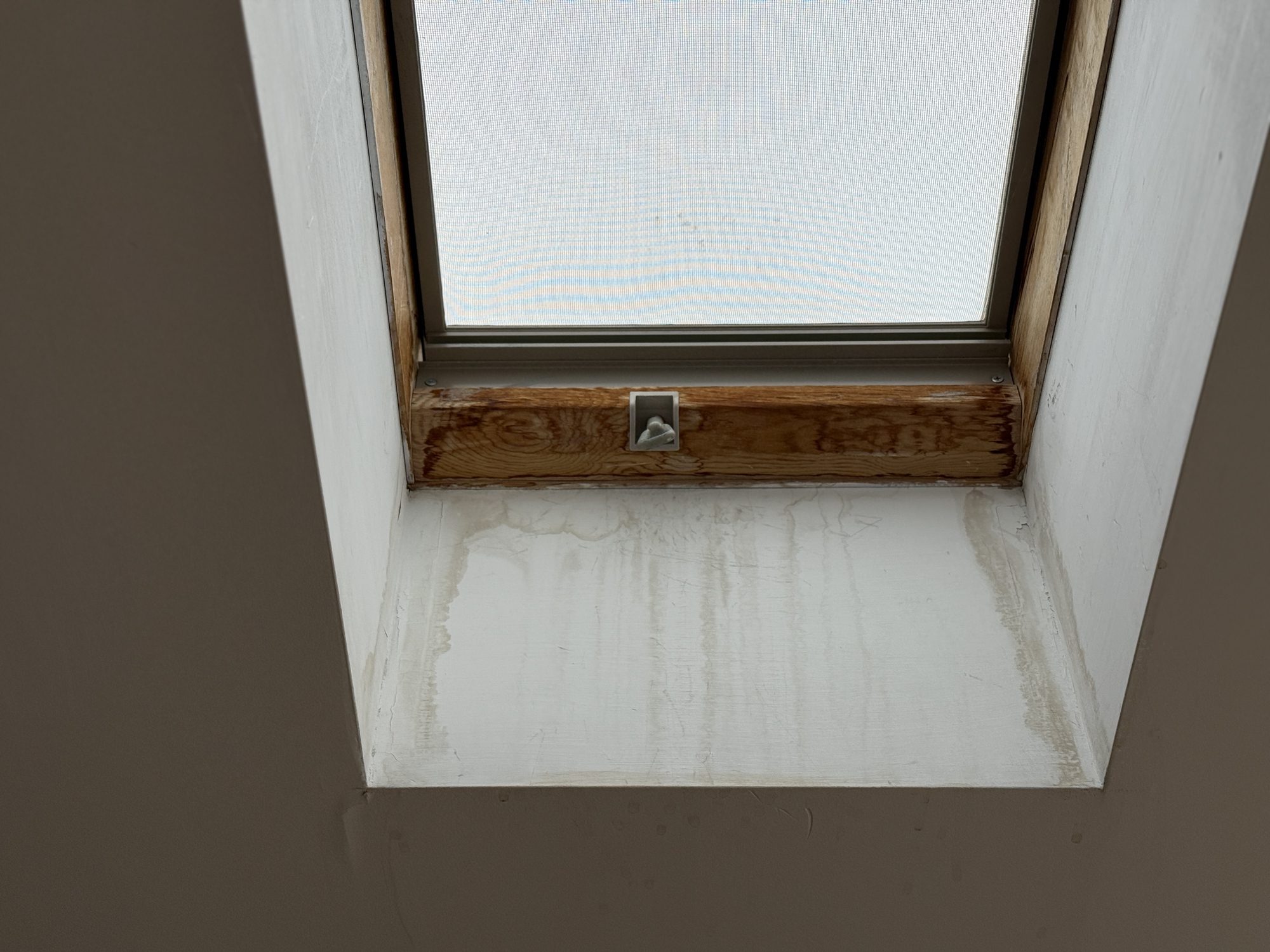
A leaking chimney does not always show as an obvious drip. Often, the signs are more subtle. You may notice brown or yellow staining on the ceiling near the chimney breast. Wallpaper may start to lift, paint may bubble or plaster may feel damp to the touch.
In the loft, there may be damp timber near the chimney stack, wet insulation, staining on the underlay or visible water marks on the brickwork. You may also see white staining on external brickwork, which can be a sign of salts being drawn out by moisture.
A musty smell near the chimney breast can also point to damp. If the room feels damp after heavy rain, or if marks appear and disappear depending on the weather, the chimney should be checked.
It is important not to assume the visible damp patch is directly below the leak. Water can travel along timbers, felt, brickwork or plaster before showing inside the property.
Damaged or loose flashing
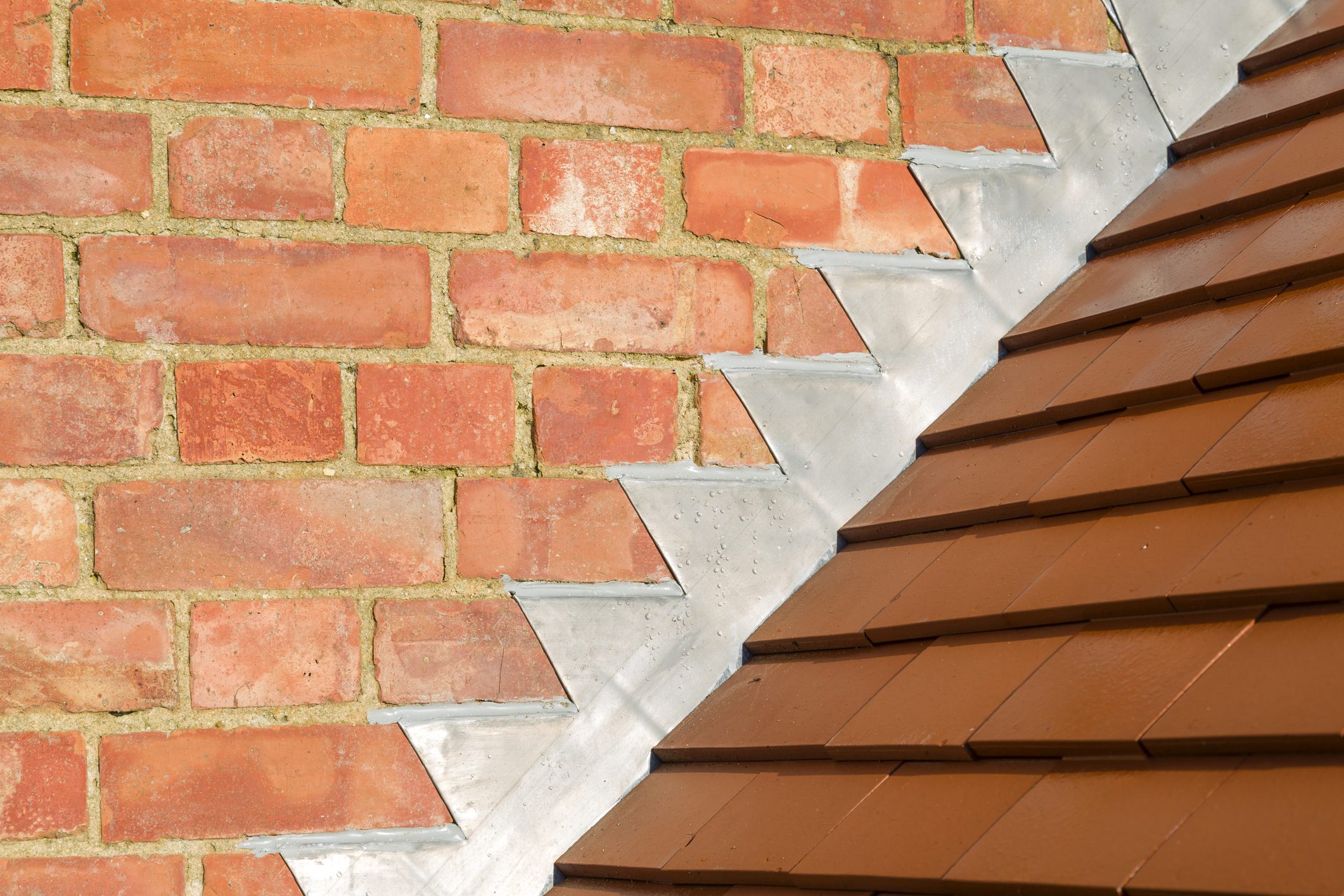
Flashing is one of the most common causes of chimney leaks. It is used to seal the join between the chimney and the roof covering. Traditional lead flashing is designed to direct water away from the vulnerable joint and back onto the roof surface.
If flashing becomes loose, cracked, lifted or poorly fitted, water can enter around the chimney. This may happen because of age, storm damage, thermal movement or poor previous repairs. Once water gets behind the flashing, it can soak into the roof structure or run down the chimney breast.
Flashing problems are often difficult to assess from ground level. A small gap may be enough to cause a leak during wind driven rain. A professional roofer can check whether the flashing is still secure, whether it has split and whether it has been installed correctly.
Repair options may include resecuring the flashing, replacing damaged sections or renewing the leadwork around the chimney. The correct repair depends on the condition of the existing materials.
Worn or cracked chimney pointing
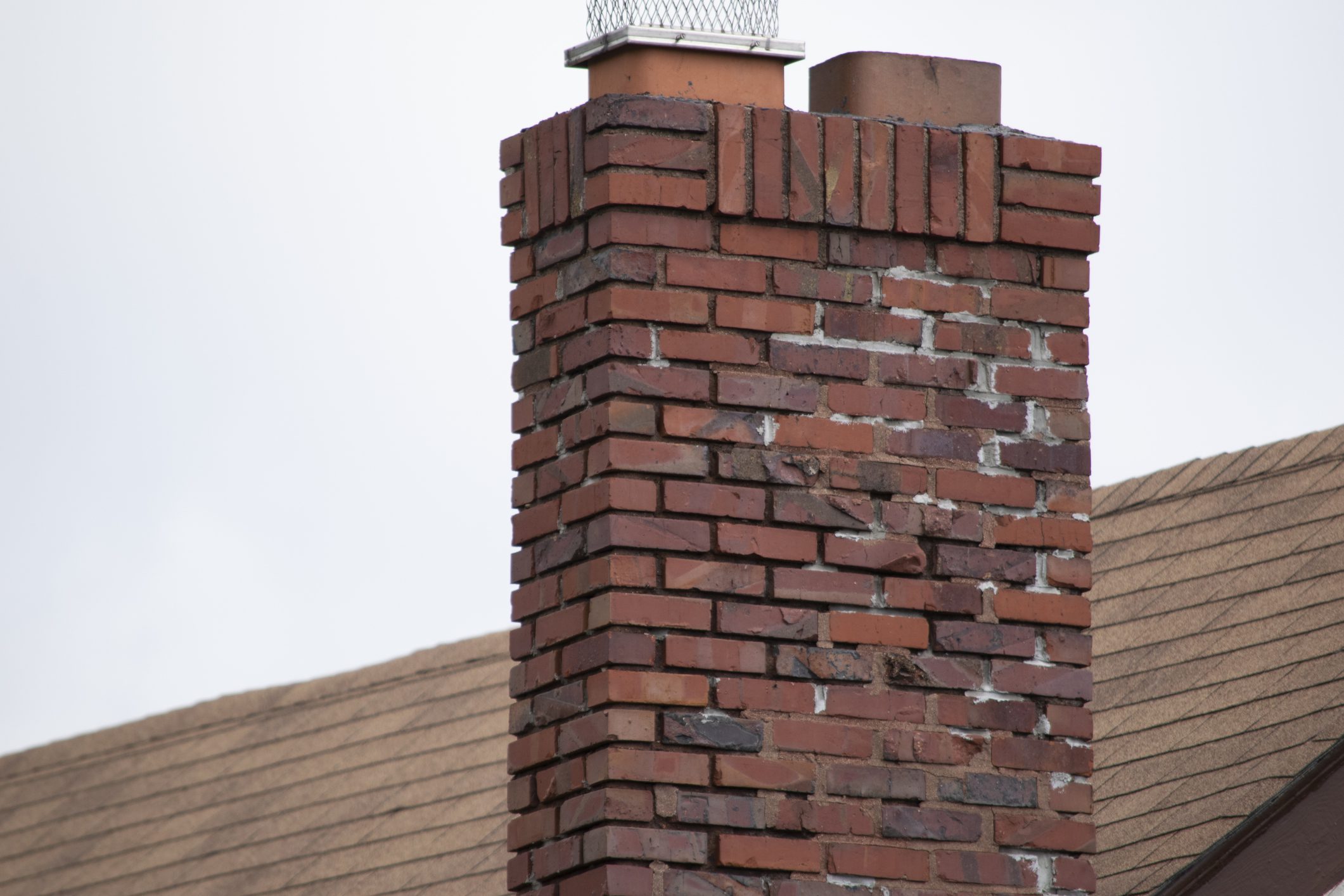
Pointing is the mortar between the bricks. Over time, weather can wear it away, leaving gaps where water can soak into the chimney stack. If the mortar becomes cracked, loose or crumbly, the chimney can absorb more water than it should.
Poor pointing can be a particular issue on older properties. Once water enters the gaps, frost can make the problem worse. When water freezes, it expands, which can push mortar apart and create larger openings.
Repointing may be needed if the mortar has failed but the bricks are still in reasonable condition. This involves removing the damaged mortar and replacing it with new mortar to help protect the chimney from water entry.
Repointing should be done carefully. It is not simply a case of covering gaps. The old mortar needs to be removed to a suitable depth so the new mortar can bond properly.
Damaged chimney flaunching
The flaunching is the sloped mortar at the top of the chimney stack, usually around the base of the chimney pots. Its purpose is to hold the pots in place and direct rainwater away from the top of the chimney.
If the flaunching cracks, breaks away or becomes loose, water can enter from the top of the stack. This can cause damp inside the chimney and may lead to staining inside the property.
Because the flaunching is high up, it can be hard to inspect without safe access. Warning signs may include loose chimney pots, visible cracks, pieces of mortar in the gutter or damp that seems to come from the upper part of the chimney breast.
Repair may involve renewing the flaunching, securing the chimney pots or replacing damaged materials. If the pots are no longer needed, they may also need to be capped or ventilated correctly.
Missing or unsuitable chimney caps
An open chimney pot can allow rainwater to enter directly. Some chimneys are designed to allow ventilation, but they may still need suitable protection from rain and birds.
A chimney cap, cowl or cover can help reduce water entry while allowing air to flow where needed. The right choice depends on whether the chimney is in use, whether there are appliances connected and how the flue needs to ventilate.
If a chimney is no longer used, it should not simply be sealed without thought. Poor ventilation can trap moisture and cause damp inside the stack. A suitable cap or vented cover may be needed.
If you suspect rain is entering through the top of the chimney, a roofer can check whether the pot is open, whether the existing cap is damaged and whether a more suitable option is needed.
Cracked or damaged chimney bricks
Bricks can become damaged by weather, age, frost and long term moisture. If the brick faces begin to crack, crumble or flake away, the chimney may absorb water more easily.
This is known as spalling. It often happens when water gets into the brick, freezes and breaks the surface apart. Once the brick face is damaged, the problem can spread if the chimney is not repaired.
Damaged bricks may need to be replaced. If only a few bricks are affected, a targeted repair may be possible. If the stack is badly worn, more substantial work may be needed to make it safe and weatherproof.
The condition of the brickwork should be checked alongside the pointing, flaunching and flashing because chimney leaks often involve more than one defect.
Problems with the roof around the chimney
Not every chimney leak starts with the chimney itself. Sometimes the roof covering around the chimney is the problem. Slipped tiles, cracked slates, worn underlay or damaged battens can allow water into the roof space near the chimney.
Because the damp appears around the chimney breast, it is easy to blame the chimney. However, the actual cause may be a nearby roof defect. Roof valleys, ridges and adjoining roof sections can also direct water towards the chimney area.
This is why a proper inspection matters. A roofer should check both the chimney and the surrounding roof. Repairing the chimney alone will not solve the problem if the water is entering through damaged tiles or another part of the roof.
Condensation inside the chimney
Sometimes damp around a chimney is caused by condensation rather than rainwater entering from outside. This can happen when warm, moist air meets cold surfaces inside the chimney or when ventilation is poor.
Condensation issues are more common in unused chimneys that have been blocked without proper airflow. Moisture can build up inside the flue and show as damp patches on the chimney breast.
The repair approach is different from a weather related leak. The chimney may need improved ventilation, a suitable cap or other changes to allow moisture to escape. A professional assessment can help confirm whether the issue is rainwater, condensation or a combination of both.
Why chimney leaks should not be ignored
A leaking chimney can cause more damage than many homeowners expect. Water can soak into plaster, insulation, timber and brickwork. Over time, this can lead to mould, rotten timbers, damaged decorations and structural weakness in the chimney stack.
Small leaks can also spread. What begins as a minor damp patch can become a larger problem after repeated rain. If the chimney stack continues to absorb water, bricks and mortar can deteriorate further.
Dealing with the leak early can help prevent further damage and avoid more disruptive repairs later. Even if the damp seems minor, it is worth having the area checked.
How a leaking chimney is inspected
A chimney leak inspection usually starts with a discussion about when the damp appears, where it shows inside and whether it gets worse in certain weather. These details can help narrow down the likely cause.
The external inspection may include checking the flashing, brickwork, pointing, flaunching, chimney pots, caps and roof covering around the stack. Gutters and nearby valleys may also be checked because blocked drainage can add to the problem.
If there is safe loft access, the inside of the roof space may be inspected for staining, damp timbers or visible water paths. This can help confirm where the water is entering and how far it has travelled.
Once the cause has been identified, the repair options can be explained clearly.
Repair options for a leaking chimney
The right repair depends on what is causing the leak. If the flashing has failed, it may need to be repaired or replaced. If the mortar joints are worn, repointing may be needed. If the flaunching is cracked, it may need to be renewed.
Damaged bricks may need replacing, and open chimney pots may need suitable caps or cowls. If the issue is poor ventilation, the solution may involve improving airflow rather than sealing everything shut.
If the surrounding roof covering is damaged, tiles, slates or underlay may need to be repaired. Sometimes more than one repair is needed because chimney leaks often involve several weak points at once.
The aim is always to make the chimney and surrounding roof area watertight while allowing the chimney to function safely.
Can you repair a leaking chimney yourself?
It is not recommended to repair a leaking chimney yourself. Chimney work usually requires safe roof access, and the cause of the leak is not always obvious. A quick sealant repair may appear to help for a short time, but it can fail quickly or trap moisture in the wrong place.
Working at height is dangerous, especially around chimneys, pitched roofs and wet surfaces. It is much safer to have the chimney inspected and repaired by experienced roofers with the right equipment.
A professional repair is more likely to deal with the actual cause of the leak and reduce the risk of the problem returning.
Why choose North East Contractors Ltd?
At North East Contractors Ltd, we understand how difficult chimney leaks can be to trace. Damp around a chimney can come from flashing, pointing, flaunching, damaged brickwork, open pots or the surrounding roof. Our job is to find the source and recommend a practical repair.
We inspect the chimney and roof area carefully, explain what we find and carry out repair work designed to protect your home from further water damage. Whether the leak is recent or has been appearing for some time, we can help you understand the next steps.
Our team works across roofing repairs and general roof maintenance, so we can look at the full picture rather than treating the chimney in isolation.
Contact North East Contractors Ltd Today!
A leaking chimney should be checked as soon as possible. The cause may be damaged flashing, worn pointing, cracked flaunching, open chimney pots, damaged bricks, poor ventilation or a defect in the surrounding roof.
The sooner the problem is identified, the easier it is to prevent further damp, timber damage and internal staining. A professional inspection can confirm where the water is entering and what repair is needed.
If you have noticed damp around your chimney breast, water marks after heavy rain or signs of roof damage near your chimney, get in touch with North East Contractors Ltd today.