If you live in Whitley Bay, improving your roof insulation is one of the most effective ways to make your home more energy efficient. Coastal weather, strong winds, and cold winters mean heat loss through the roof can be significant. Without proper insulation, you may spend far more on heating than necessary while still feeling cold drafts and uneven temperatures indoors.
This guide explains how roof insulation works, why it matters in Whitley Bay, and what practical steps you can take to improve efficiency, comfort, and long-term savings.
Why roof insulation is so important in Whitley Bay
Heat naturally rises. In homes with poor roof insulation, up to a quarter of heat can escape through the roof. In Whitley Bay, this problem is amplified by exposure to wind, rain, and salt air, which gradually degrade roofing materials and increase heat loss.
Well installed roof insulation helps you:
- Reduce heating bills
- Maintain consistent indoor temperatures
- Protect your roof structure from condensation
- Lower your carbon footprint
- Improve overall home comfort
For coastal homes, insulation also plays a role in managing moisture and preventing damp problems.
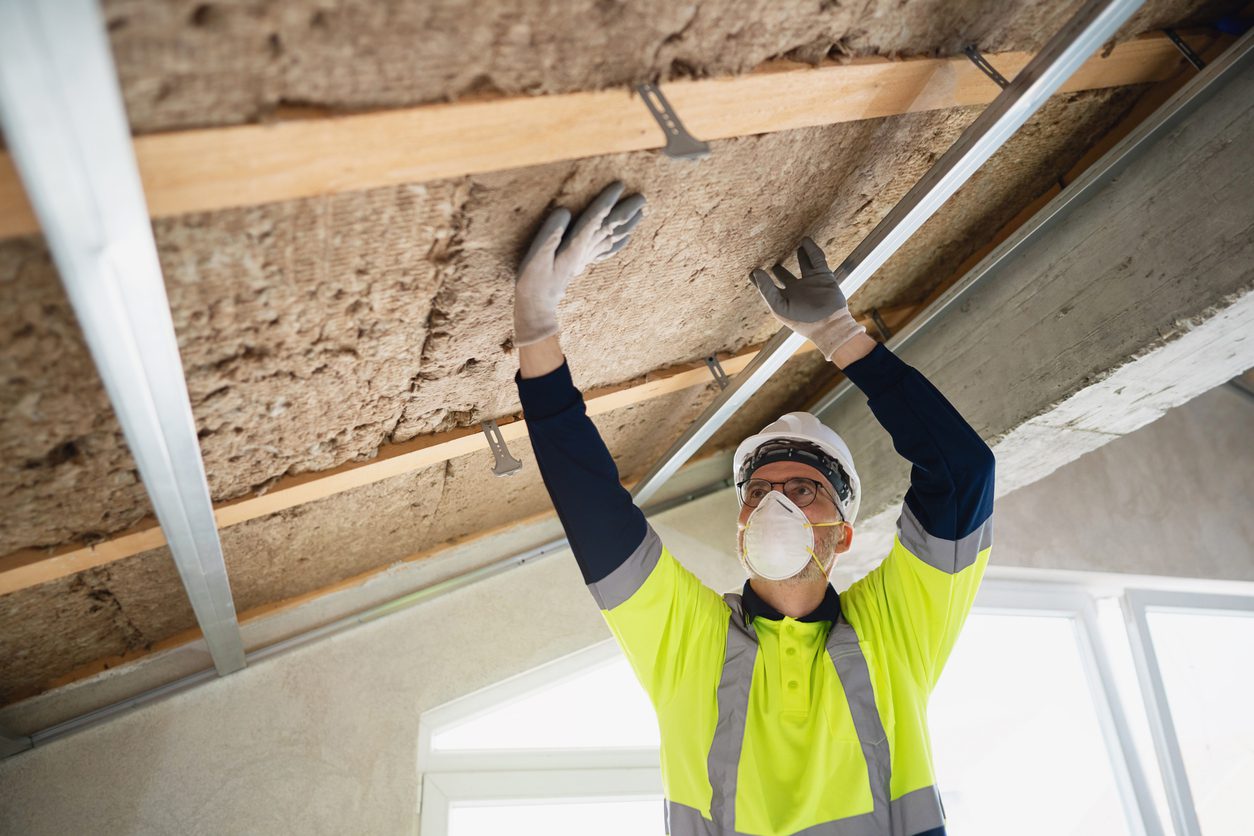
How roof insulation improves energy efficiency
Roof insulation works by slowing the movement of heat. In winter, it keeps warm air inside your home. In summer, it reduces overheating by limiting heat entering from outside.
Effective insulation creates a thermal barrier that works alongside your roofing system, loft ventilation, and internal heating.
Energy efficient homes in Whitley Bay benefit from:
- Less reliance on central heating
- Reduced cold spots and draughts
- Improved indoor air quality
- Longer lifespan of roofing materials
The result is a more comfortable home with lower running costs throughout the year.
Which areas of the roof should be insulated?
Different roof structures require different insulation approaches. Understanding where heat escapes helps you target the most effective improvements.
Loft insulation
Loft insulation is the most common and cost-effective option for pitched roof homes. Insulating the loft floor prevents heat from rising into unused roof space.
This method works best when:
- The loft is not used as living space
- Access is straightforward
- Existing insulation is thin or damaged
Roof slope insulation
If your loft is converted or partially used, insulation should be installed between or over the roof rafters. This keeps heat within the living space and improves comfort in attic rooms.
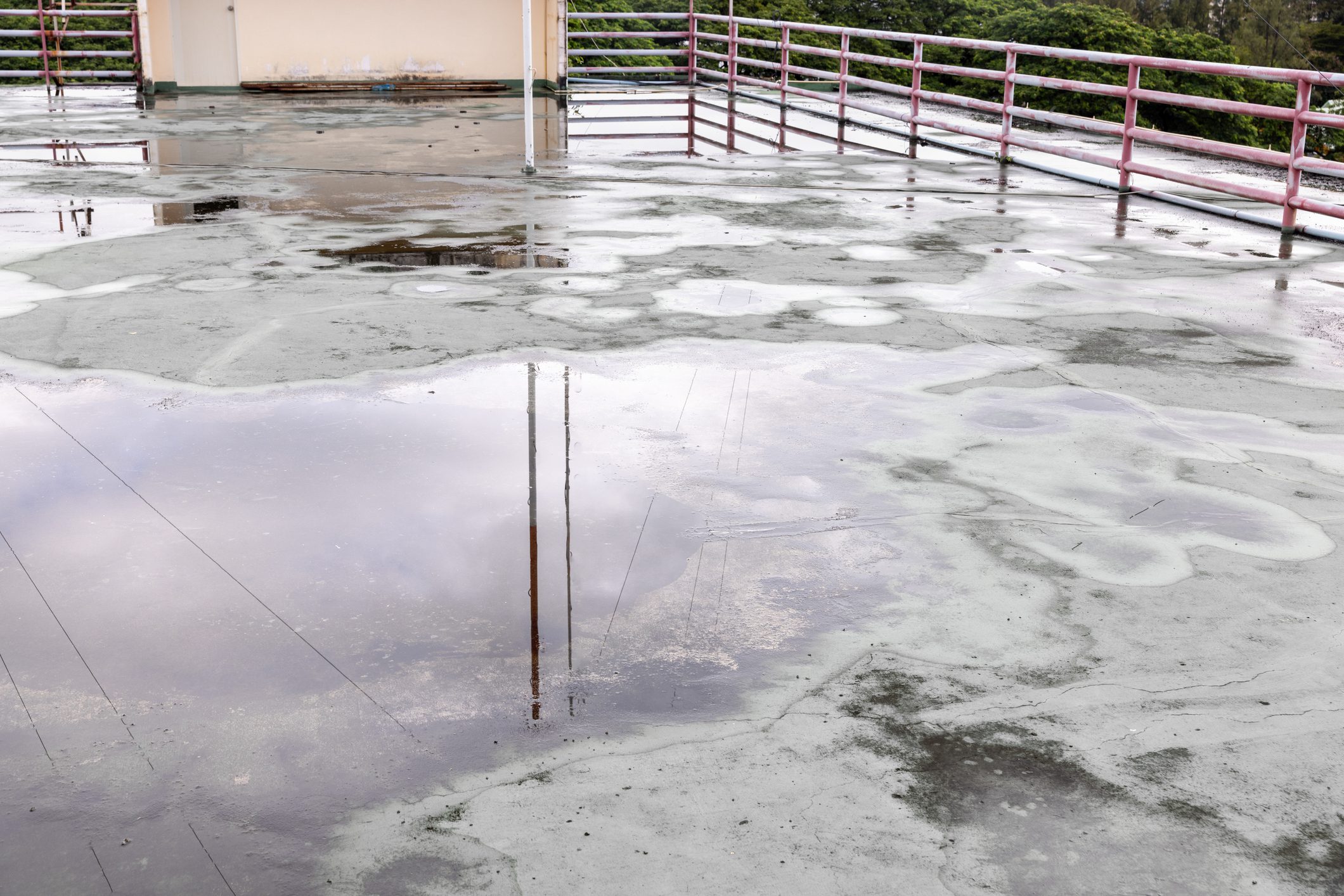
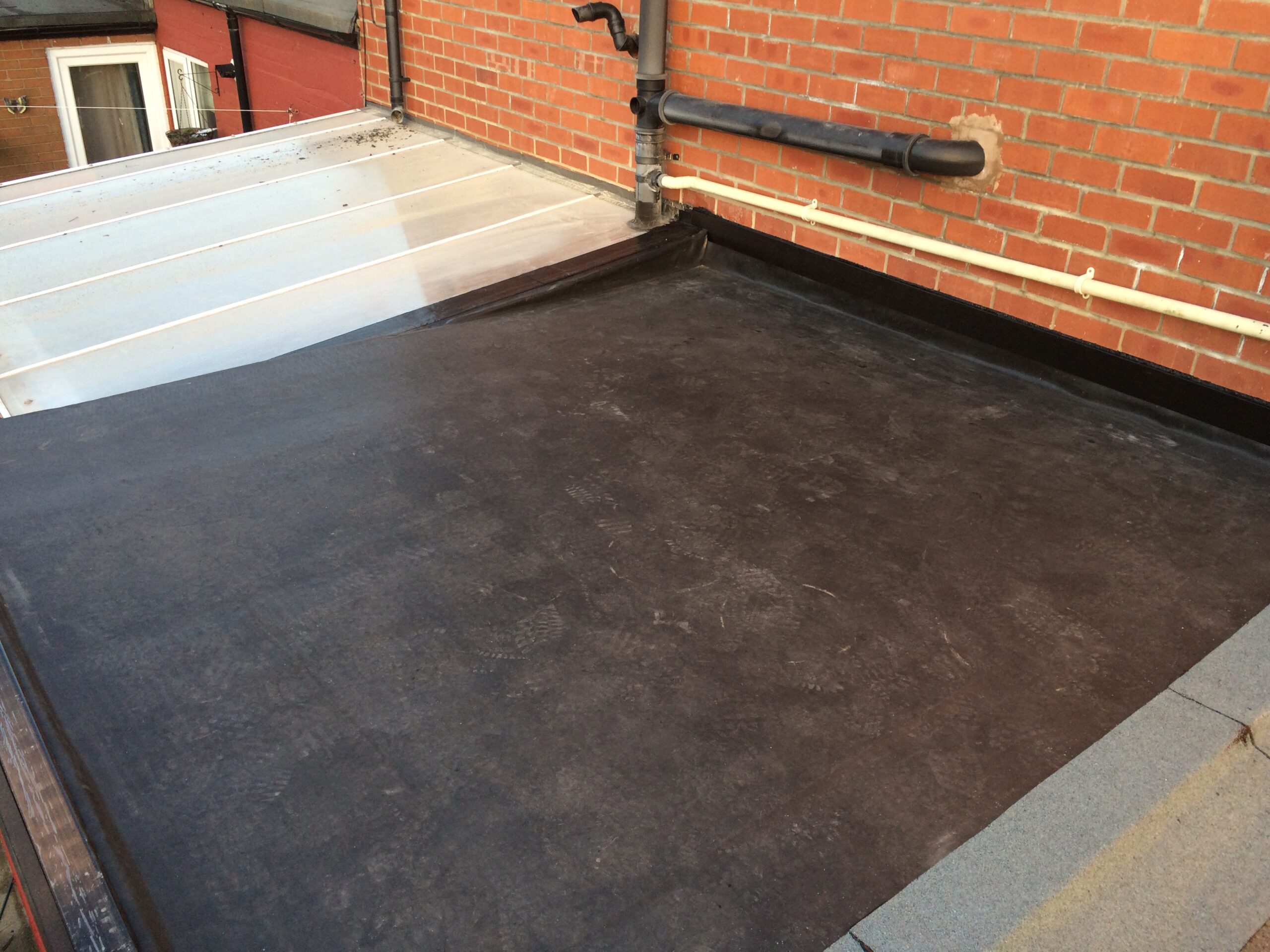
Flat roof insulation
Flat roofs require specialist insulation methods. Warm roof systems place insulation above the roof deck, while cold roof systems position insulation below.
For Whitley Bay homes, warm flat roofs are often preferred due to improved moisture control and thermal performance.

Best insulation materials for Whitley Bay homes
Choosing the right insulation material is essential, especially in a coastal environment.
Mineral wool insulation
Mineral wool is widely used in lofts due to its affordability and ease of installation. It provides good thermal performance and sound insulation.
Benefits include:
- Fire resistance
- Breathability
- Cost effectiveness
However, it must be kept dry to perform well.
Rigid insulation boards
Rigid boards such as PIR offer excellent thermal performance with minimal thickness. These are commonly used in roof slopes and flat roof systems.
They are ideal for Whitley Bay properties where space is limited or higher insulation values are needed.
Spray foam insulation
Spray foam expands to fill gaps and cracks, creating an airtight seal. It can improve energy efficiency significantly but must be installed correctly to avoid moisture issues.
This option requires careful assessment, particularly for older homes.

How much insulation do you need?
Building regulations recommend specific insulation thicknesses to achieve energy efficiency standards. Many older homes in Whitley Bay fall short of these requirements.
As a general guide:
- Loft insulation should be at least 270mm thick
- Roof slope insulation depends on material type and rafter depth
- Flat roofs should meet modern thermal performance standards
Upgrading insulation to recommended levels can make an immediate difference to comfort and heating costs.
Common signs your roof insulation needs upgrading
Many homeowners are unaware their insulation is underperforming. Common warning signs include:
- High heating bills
- Cold rooms upstairs
- Draughts despite sealed windows
- Condensation in the loft
- Uneven temperatures throughout the home
If your home feels cold even when the heating is on, poor roof insulation is often the cause.
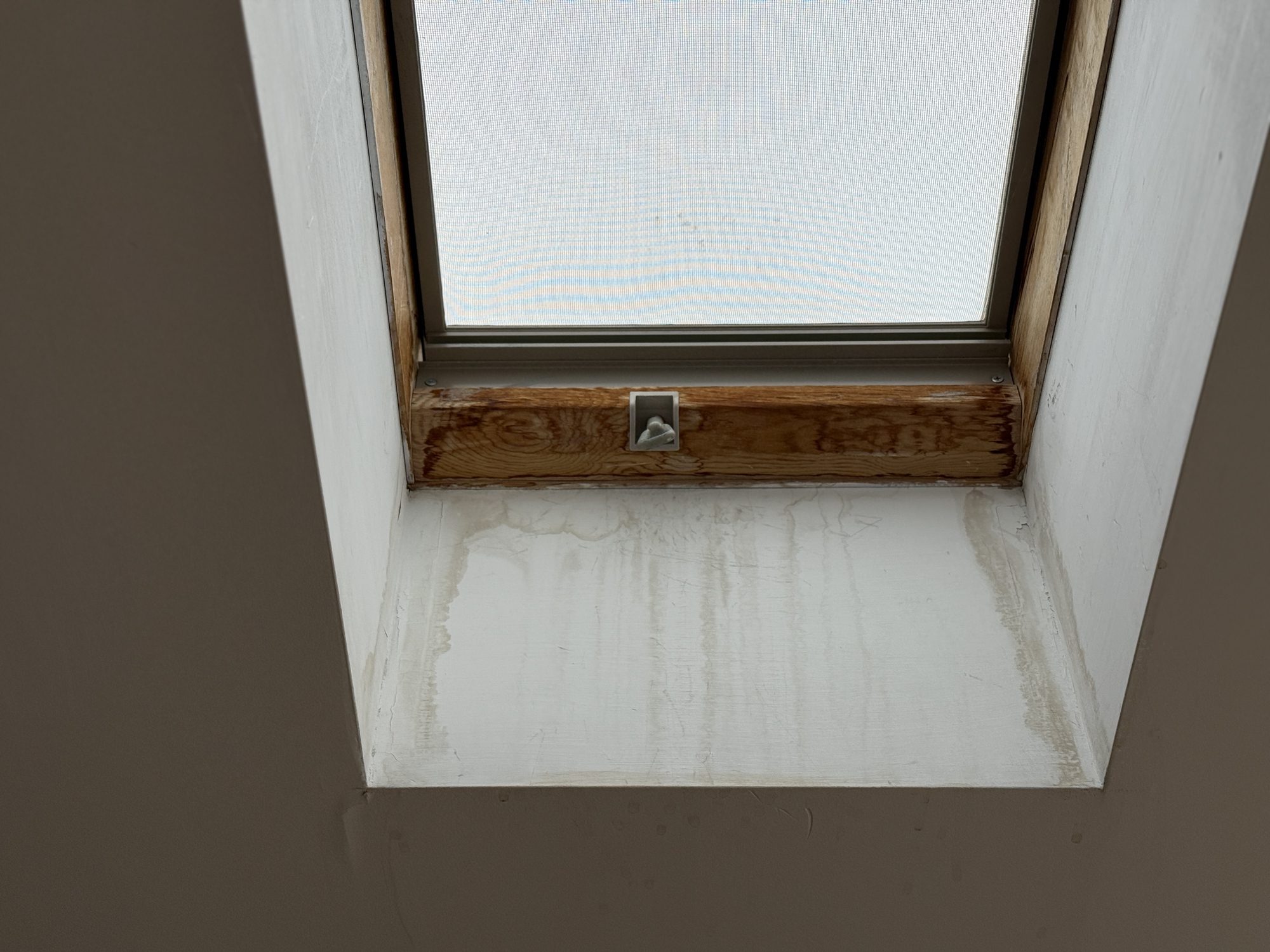
Preventing condensation and damp problems
Whitley Bay’s coastal climate increases the risk of condensation, especially in poorly insulated roofs.
When warm air meets cold surfaces, moisture forms. Without proper insulation and ventilation, this can lead to damp, mould, and timber decay.
To prevent condensation:
- Combine insulation with adequate ventilation
- Avoid blocking airflow at eaves
- Use breathable insulation materials where appropriate
- Ensure vapour control layers are correctly installed
Professional installation ensures insulation works without trapping moisture.
Insulation tips for pitched roof homes
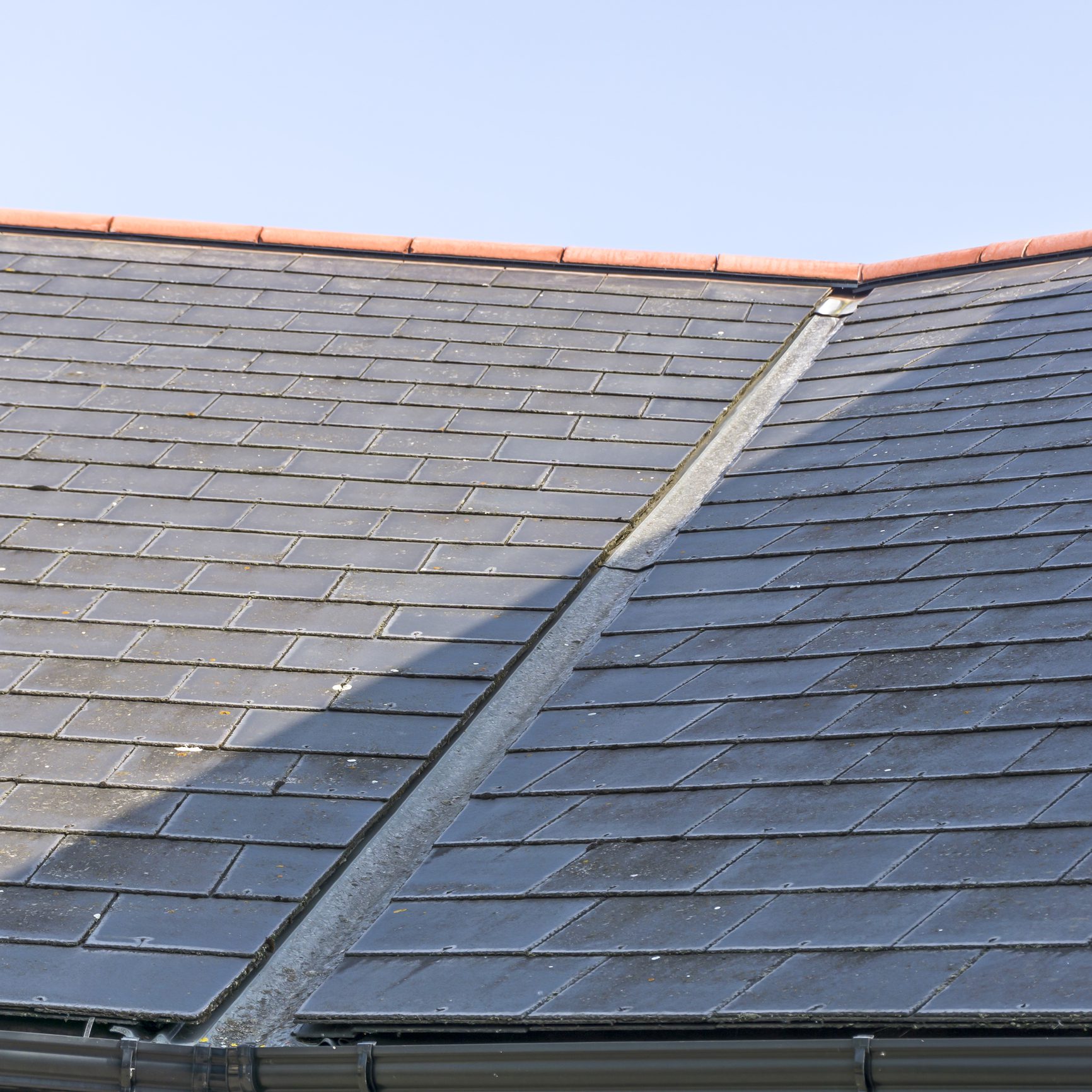
Pitched roofs are common in Whitley Bay and respond well to insulation upgrades.
Key tips include:
- Check existing insulation depth and condition
- Top up older insulation where needed
- Insulate loft hatches to prevent heat loss
- Seal gaps around pipes and cables
Even small improvements can deliver noticeable energy savings.
Insulation tips for flat roof homes
Flat roofs require careful planning due to drainage and moisture control.
Best practices include:
- Choosing warm roof insulation systems
- Ensuring waterproof membranes remain intact
- Avoiding insulation compression
- Using materials designed for coastal conditions
Flat roof insulation upgrades are best carried out alongside roof replacement or refurbishment.

Can roof insulation lower your energy bills?
Yes. Roof insulation is one of the fastest ways to reduce energy costs.
Many homeowners in Whitley Bay see reductions in heating bills within the first year of upgrading insulation. Savings vary depending on property size, existing insulation, and heating usage.
In addition to lower bills, insulation improves resale value and energy performance ratings.
When is the best time to upgrade roof insulation?
Roof insulation can be installed at any time of year, but spring and summer are ideal.
Warmer, drier conditions make installation easier and allow roofers in Whitley Bay to identify any underlying roof issues at the same time.
Upgrading insulation during roof repairs or replacement is often the most cost-effective approach.
Should you insulate during roof replacement?
If you are planning a new roof in Whitley Bay, this is the perfect opportunity to upgrade insulation.
Benefits include:
- Improved thermal performance from day one
- Compliance with current regulations
- Reduced disruption compared to retrofitting later
- Long-term energy savings
Combining roofing and insulation work ensures your home is protected and efficient.
Professional installation versus DIY insulation
While some loft insulation projects can be DIY, many roof insulation upgrades require professional expertise.
Professional installation ensures:
- Correct material selection
- Proper ventilation
- Compliance with building regulations
- Long-lasting performance
Poor installation can reduce effectiveness and create moisture problems.
How insulation supports sustainable living
Energy efficient homes use less fuel and produce fewer emissions. Improving roof insulation is a practical step toward sustainability without major lifestyle changes.
For Whitley Bay homeowners, insulation supports:
- Lower environmental impact
- Reduced energy consumption
- Greater long-term affordability
Small changes add up to meaningful results.
Improve your Whitley Bay home with better roof insulation
Roof insulation plays a vital role in keeping Whitley Bay homes warm, efficient, and protected from coastal conditions. Whether you live in a traditional pitched roof property or a modern flat roof home, upgrading insulation delivers lasting benefits.
If you want to reduce energy bills, improve comfort, and protect your roof, speak to a trusted local roofing specialist in Whitley Bay today. A professional assessment helps you choose the right insulation solution for your home and ensures the work meets the highest standards.