When an older slate roof reaches the stage where substantial work is required, homeowners often assume that every slate needs to be removed and replaced with a completely new covering. That is not always the case. Natural roofing slate can have a very long lifespan and, if individual slates remain in good condition, it may be possible to carefully remove, inspect and reuse them as part of a roof replacement.
At North East Contractors Ltd, we work on traditional and modern roofs throughout Whitley Bay, Newcastle and the wider North East. Our experience with slate tiled roofs and reclaimed roofing allows us to assess existing materials and determine whether suitable slates can form part of the new roof.
Reusing slate is not simply a case of removing the old roof covering and putting every piece back. Each slate needs to be checked for damage, deterioration and suitability before it can be considered for reuse.
In this guide, we explain when roof slates can be reused, what we look for when inspecting them and why reclaimed slate remains a popular roofing material.
Can Old Roof Slates Be Reused?
Yes, old roof slates can often be reused when replacing a roof, provided they remain structurally sound.
Natural slate is an exceptionally durable roofing material. A roof may need replacing because the battens, underlay, fixings or other roofing components have deteriorated even though a significant number of the individual slates are still usable.
This is particularly common on older properties.
Traditional slate roofs may have been installed many decades ago. During that time, nails can corrode, battens can deteriorate and underlay can fail. The slate itself, however, may still be in relatively good condition.
When this happens, removing and sorting the existing slates can allow us to retain suitable materials for the new roof.
This type of work is particularly relevant to reclaimed roofing, where good-quality existing materials can be incorporated into a renewed roofing system.
Why Can Natural Slate Last So Long?
Natural slate is formed from rock that has undergone significant geological pressure over a very long period.
The resulting material can be split into thin sheets that provide a strong, relatively lightweight and water-resistant roof covering.
Unlike some manufactured roofing products, good-quality natural slate does not rely on a surface coating for its basic weather resistance.
This is one reason slate has been used on British properties for generations.
However, not all slate is identical. Its lifespan and condition depend on its geological origin, original quality, thickness, exposure to weather and how well the roof was installed.
The fact that a slate is old does not automatically mean it needs replacing.
Equally, age alone does not guarantee that it is suitable for reuse.
Each slate needs to be assessed individually.
Why Might a Slate Roof Need Replacing if the Slates Are Still Good?
A roof is made up of much more than its visible covering.
Underneath the slates there will usually be roofing battens, underlay or felt and the wider roof structure. The slates themselves are secured using nails or other appropriate fixings.
Any of these components can deteriorate over time.
For example, an older roof may develop recurring slipped slates because the original nails have started to corrode. This is sometimes known as nail sickness.
The slate may remain perfectly serviceable but the fixing holding it to the roof has failed.
Similarly, the roofing felt beneath the slates may have deteriorated or battens may need replacing.
In these circumstances, simply replacing one or two slipped slates may no longer address the wider condition of the roof.
A more substantial replacement can allow the roof covering to be removed, the underlying materials renewed and suitable original slates reinstated.
Our slate tiled roofs work can include assessing both the visible covering and the roof construction beneath it.
How Do We Decide Whether a Slate Can Be Reused?
Before an existing slate is reused, we need to determine whether it remains suitable for roofing.
Several factors influence that decision.
Cracks and Breakages
A cracked slate should not simply be put back onto a new roof.
Even a relatively small crack can provide a route for water or become worse once the slate is exposed to wind, rain and frost.
Slates can also break during removal, particularly if they have become brittle or are difficult to access.
Careful stripping helps maximise the number that can potentially be retained.
Delamination
Natural slate is made up of layers.
Over time, some slates can begin to split or flake along these layers. This is known as delamination.
A slate showing significant delamination is unlikely to be suitable for reuse because the surface may continue breaking down.
We therefore inspect both faces and edges where practical.
Excessive Weathering
Weathering does not automatically make a slate unusable.
Older slate will naturally develop changes in appearance after decades of exposure.
The important question is whether that weathering has affected the physical integrity of the material.
A slate that looks aged but remains strong may still have considerable useful life remaining.
Previous Fixing Holes
Existing slates will already contain fixing holes.
The location and condition of these holes can affect whether the slate can be reused.
Damage around an old nail hole may weaken the material while unsuitable positioning can make refixing difficult.
Reclaimed slates need to be handled and fixed correctly rather than simply returned to the exact same position without inspection.
Slate Thickness and Condition
The thickness of the slate should also be considered.
Significant thinning, erosion or deterioration may indicate that a particular slate has reached the end of its practical service life.
When we work with reclaimed roofing, the aim is to retain materials that can still perform properly rather than reuse something simply because it was already on the building.

What Happens to Slates During a Roof Replacement?
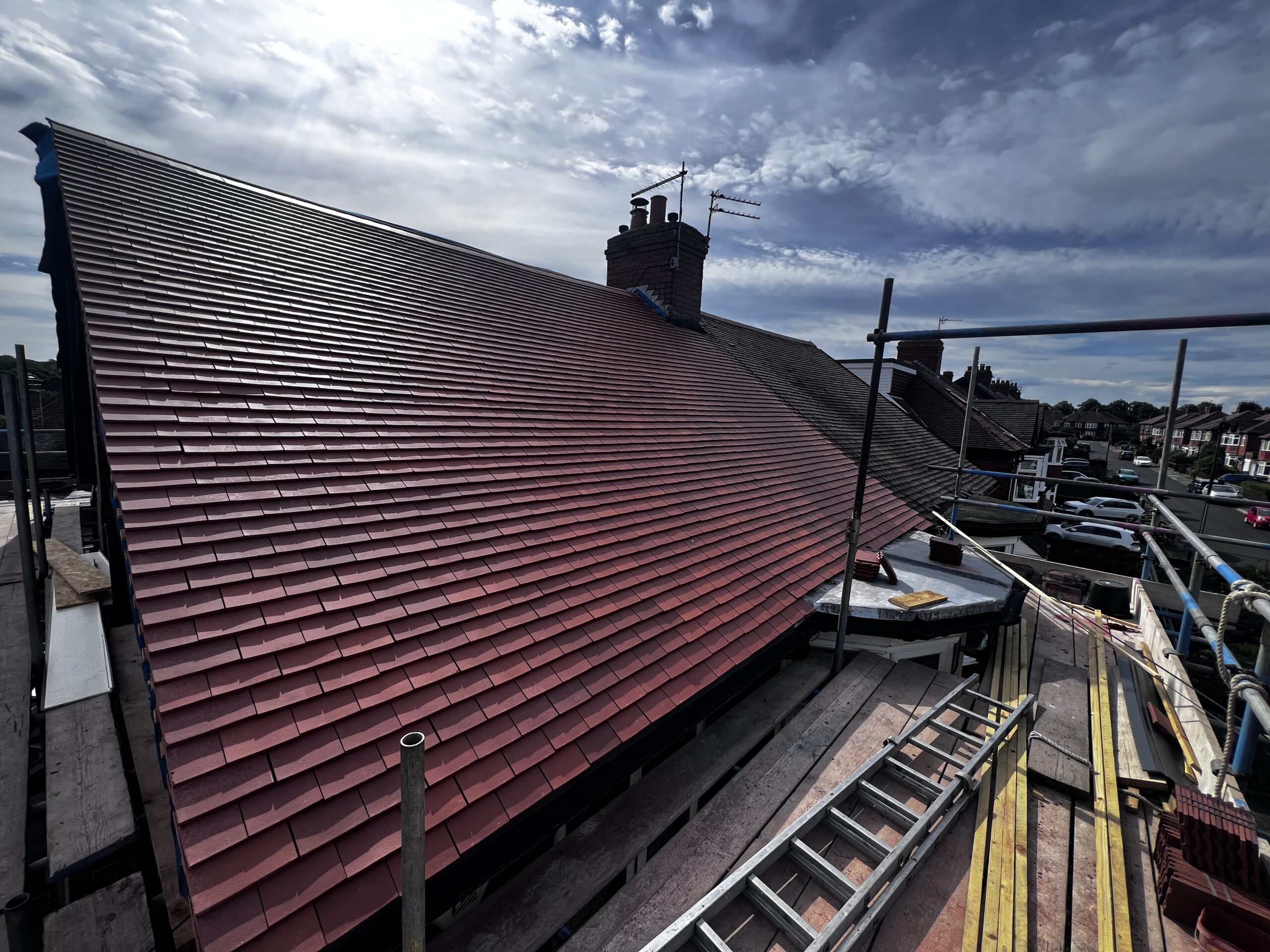
If we believe the existing slate is potentially reusable, the roof covering needs to be stripped carefully.
Individual slates are removed rather than treated as waste from the outset.
They can then be sorted according to condition.
Usable slates are separated from those that are cracked, badly weathered or otherwise unsuitable.
Once the roof covering has been removed, we can inspect the underlying structure properly.
Depending on the project, this may involve replacing roofing felt or membrane, installing new battens and repairing any damaged timber.
The retained slates can then be incorporated into the renewed roof covering.
Additional reclaimed or new slate may be required if there are not enough suitable original slates to complete the roof.
Can You Reuse Every Slate From an Old Roof?
It would be unusual to assume that every slate from an older roof can be reused.
Even on a roof where the majority remain in good condition, there may be cracked, damaged or heavily weathered pieces.
Some can also break during the stripping process.
For that reason, roof replacement projects involving reclaimed slate normally require an allowance for replacement materials.
The percentage of slates that can be retained varies considerably between properties.
One roof may provide a very high number of reusable slates while another may have experienced enough deterioration that replacement is the more sensible option.
This is why inspection is important before deciding on the best approach.
What Is Reclaimed Roofing Slate?
Reclaimed roofing slate is natural slate that has previously been used on a building and has been carefully recovered for future use.
Good-quality reclaimed slate can come from roofs that have been altered, demolished or replaced for reasons unrelated to the condition of the individual slates.
Rather than disposing of these materials, suitable pieces can be sorted and prepared for use on another project.
Reclaimed slate can be particularly useful on traditional properties where matching the appearance of the existing roof is important.
Our reclaimed roofing services allow us to work with suitable reclaimed materials where they are appropriate for the building and roofing project.
Why Do Homeowners Reuse Existing Slate?
There are several reasons property owners may want to retain suitable original slate.
Maintaining the Character of an Older Property
Traditional natural slate has a distinctive appearance.
Years of weather exposure can produce subtle differences in tone and texture that are difficult to reproduce with completely new material.
Reusing suitable original slate can help retain the established character of an older home.
This can be particularly important on traditional properties where the roof forms a major part of the building’s appearance.
Matching Existing Roofing
Some properties have roof sections that were built or replaced at different times.
If work is being carried out on only part of the building, reclaimed slate can sometimes provide a closer match to the existing roof than brand-new materials.
Matching still needs careful consideration because slate varies in size, thickness, colour and texture.
Making Use of Good Materials
If an existing slate remains strong and suitable for roofing, disposing of it purely because the underlying roof components need replacing may be unnecessary.
Recovering usable materials allows them to continue performing their original purpose.
Supporting Traditional Roofing Work
Older buildings were often roofed using natural slate types and sizes that contribute to their overall design.
Where suitable, reclaimed materials can help maintain this traditional appearance during roofing work.
You can view examples of roofing and building work completed by our team through our recent projects.
Can Reclaimed Slate Be Mixed With New Slate?
It can be possible to combine reclaimed and new slate but the materials need to be selected carefully.
Differences in colour, thickness and size can become very noticeable once installed across a large roof area.
Where new slate is required to supplement reclaimed materials, we try to consider how closely the materials work together.
In some cases, matching reclaimed slate may be more suitable than introducing a visibly different new product.
The layout of the roof can also influence how different batches are used.
The goal is not only to create a watertight roof but also to achieve a consistent appearance.
Is Reclaimed Slate Suitable for Every Roof?
No.
Reclaimed slate can be an excellent option for many properties but suitability depends on the building, roof pitch, slate specification and condition of the available materials.
Some roofs may be better suited to new slate or another roofing product.
The roof structure also needs to be appropriate for the chosen covering.
When we work on slate tiled roofs, we consider the complete roof rather than choosing materials based only on appearance.
A roofing system needs to work correctly as a whole.
What Are the Signs an Old Slate Roof Needs Attention?
Even when the slate itself has a long potential lifespan, other problems can indicate that the roof requires inspection.
Common warning signs include:
- Repeatedly slipped slates
- Broken slates
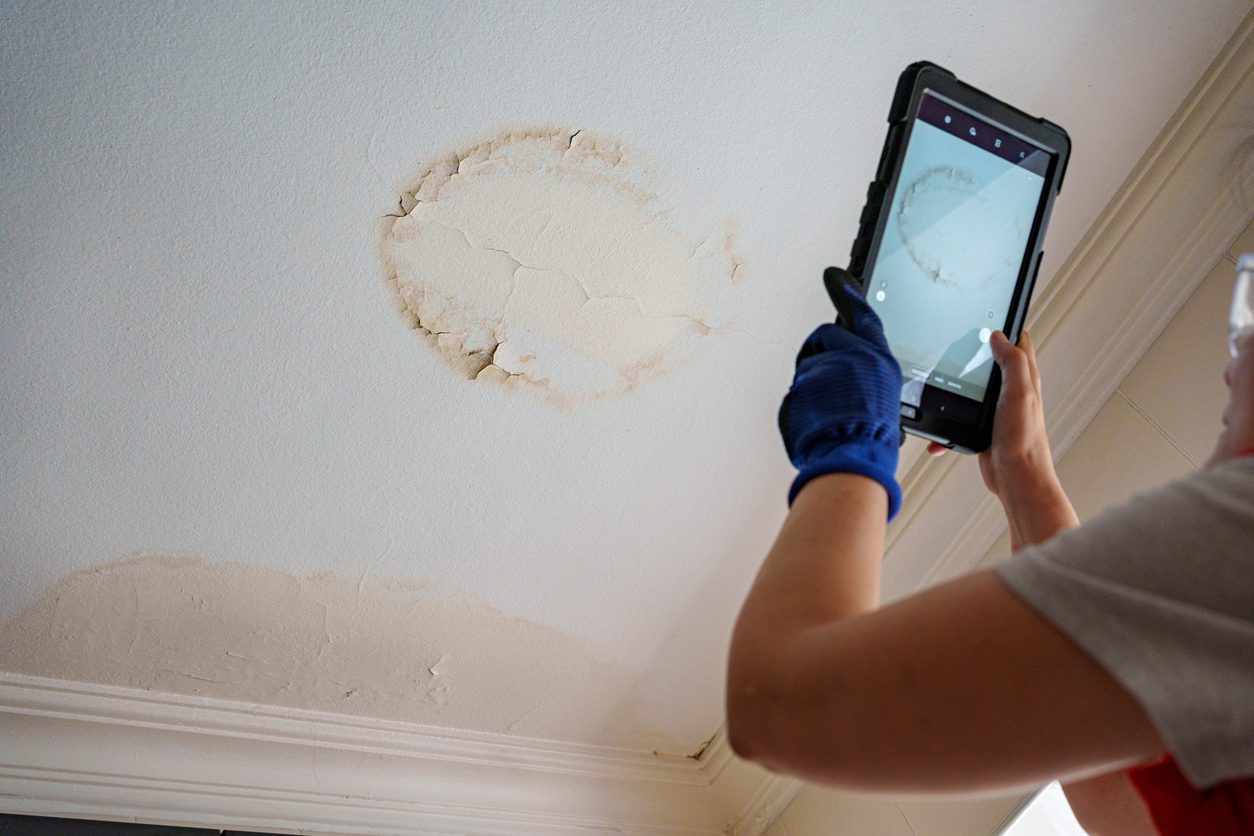
- Water entering the loft
- Damp patches after rainfall
- Visible gaps in the roof covering
- Loose ridge or verge materials
- Deteriorating flashing
- Increasing numbers of repairs
- Slate fragments appearing around the property
A single slipped slate does not automatically mean that an entire roof requires replacement.
However, repeated failures across several areas may indicate a broader issue with the fixings or underlying roofing system.
It is better to have the roof assessed than to continue replacing individual slates without understanding why they keep becoming loose.
What Is Nail Sickness on a Slate Roof?
Nail sickness is a term commonly used when the fixings securing older roof slates have deteriorated.
Traditional roofing nails can corrode over many years.
Once a fixing fails, the slate can begin to slip down the roof even though the slate itself remains in reasonable condition.
If this happens repeatedly across an older roof, replacing individual slates or fixings may become less practical.
Stripping the roof allows us to renew the battens, membrane and fixings before reinstalling suitable slate.
This is a good example of why a roof can need substantial work even though many of its original slates still have useful life left.
Can Broken Slates Be Repaired and Reused?
A slate that is genuinely cracked or broken would normally be replaced rather than reused as a primary roof covering.
Temporary repair methods may sometimes be used to deal with an immediate problem but a damaged slate does not become structurally sound again.
For a roof replacement, our focus is on identifying slates that are strong enough to provide reliable future service.
Damaged pieces are separated during sorting.
This is another reason homeowners should not assume that all slate removed from a roof can automatically be put back.
Are Old Slates Better Than New Slates?
Old and new slate both have potential advantages.
High-quality old natural slate may have already demonstrated its durability by remaining on a roof for many decades.
However, its suitability still depends on current condition.
New natural slate provides unused material with no previous fixing holes or decades of weather exposure but quality can vary between products and sources.
The most suitable option depends on the property and the roofing requirements.
Rather than treating old or new slate as automatically better, we look at the quality and suitability of the actual material being considered.
Can You Reuse Slate on a Listed or Traditional Building?
Traditional and historic properties may benefit from retaining original or closely matching roofing materials.
However, buildings with listed status or properties in conservation areas can be subject to additional requirements.
The correct approach will depend on the building, proposed roofing work and local planning considerations.
Where approvals are required, these should be established before the project progresses.
From a roofing perspective, retaining suitable original slate can help preserve the appearance of a traditional property while allowing the underlying roof construction to be renewed.
How Long Can Reused Slate Last?
There is no single lifespan that applies to every reclaimed slate.
Some high-quality natural slate can remain serviceable for many decades after being reused while other material may already be approaching the end of its practical life.
The existing age of the slate is only one consideration.
Its geological quality, thickness, previous exposure and current condition are also important.
A professional assessment should therefore focus on the individual materials rather than making assumptions based purely on age.
Why Does the Condition of the New Roof Structure Matter?
There is little benefit in carefully reusing good slate if it is installed onto a poor underlying roofing system.
The battens must be suitable, the membrane needs to be installed correctly and the roof structure should be in sound condition.
Fixings also need to be appropriate for the roofing system.
A roof replacement provides an opportunity to deal with issues that may have developed beneath the slates over many years.
Once this work has been completed, suitable reclaimed slate can then form the visible weatherproof covering.
This complete approach is central to our work on reclaimed roofing projects.
Should You Reuse Slate When Replacing Your Roof?
Whether slate should be reused depends entirely on its condition.
If a high proportion of the existing slates remain strong, stable and suitable for refixing, retaining them can make sense.
If they are badly weathered, cracked or delaminating, replacement may be more appropriate.
There is also the condition of the rest of the roof to consider.
The best decision should therefore follow a proper inspection of both the slate covering and the underlying roof structure.
At North East Contractors Ltd, we can assess the existing roof and explain which materials are suitable for retention.
Speak to North East Contractors Ltd About Slate Roofing
Reusing slate can be a practical way to retain good-quality roofing materials when replacing an older roof. Natural slate can last for many years and the fact that the roof structure requires renewal does not necessarily mean every existing slate has reached the end of its life.
The important part is careful removal and inspection.
At North East Contractors Ltd, we provide slate tiled roofs and reclaimed roofing services across Whitley Bay, Newcastle and the wider North East. We can inspect an existing slate roof, assess the condition of the materials and determine whether suitable slates can be incorporated into the replacement.
If you are considering replacing an older slate roof or would like professional advice about the condition of your existing roofing, please get in touch with our team.