The edges of a pitched roof are constantly exposed to rain, wind and changing temperatures. On traditional roofs, the tiles at these outer edges were commonly secured and weatherproofed using mortar. While this method has been used successfully for many years, mortar can crack, loosen and deteriorate as the roof ages.
A dry verge system provides a modern alternative. Instead of relying on mortar to protect the edges of the roof, individual verge units are mechanically fixed into position. This creates a secure and weather-resistant finish along the roofline while reducing some of the maintenance associated with traditional mortar verges.
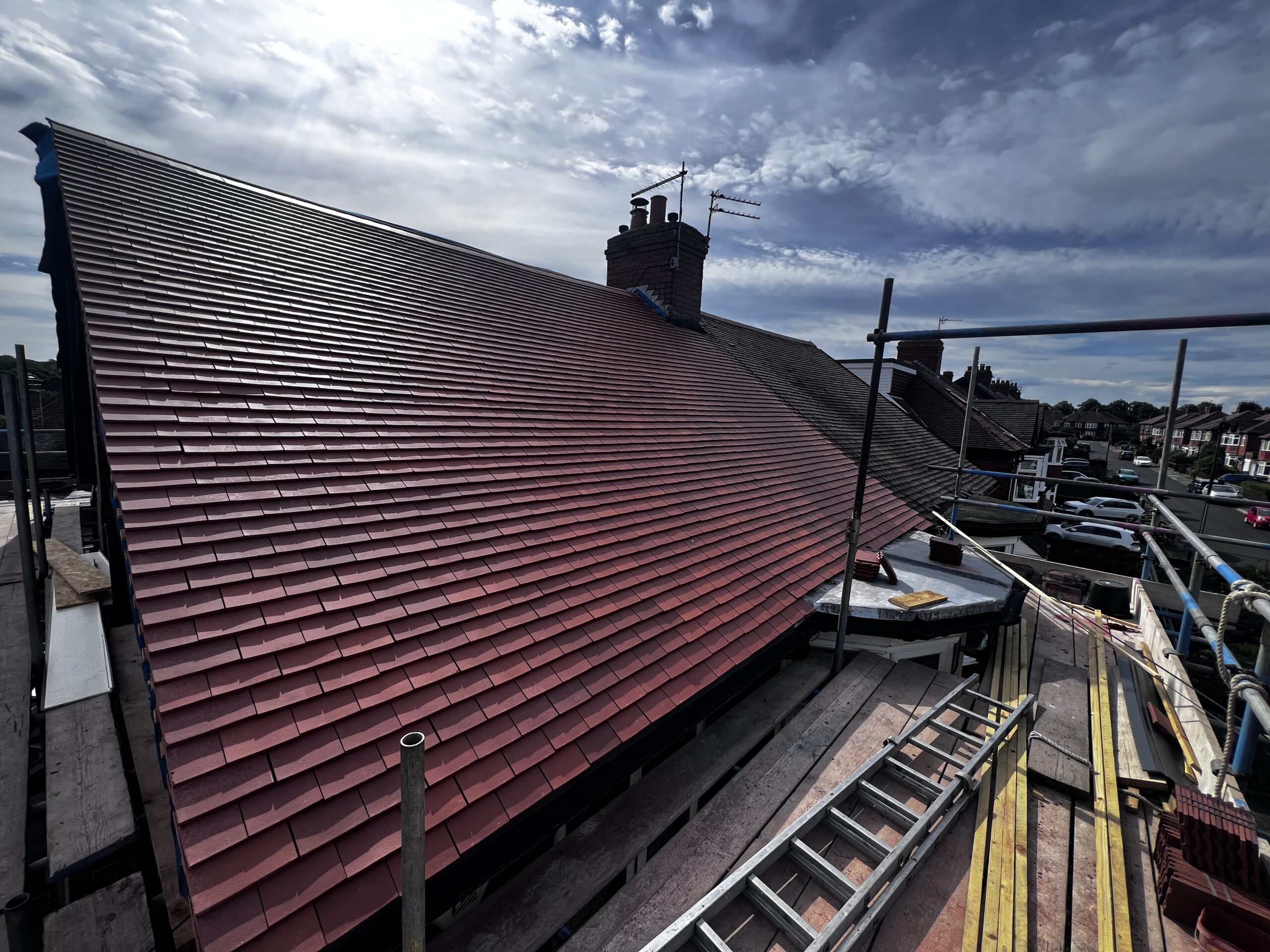
At North East Contractors Ltd, we work on roofs throughout Whitley Bay, Newcastle and the wider North East. Our roofing work includes dry verge systems, pitched roofs, tiled roofing, roof repairs and complete roof replacements.
In this guide, we explain what a dry verge system is, why it is used and the signs that an existing roof verge may need attention.
What Is a Dry Verge System?
A dry verge system is a method of protecting and securing the tiles along the gable ends of a pitched roof without relying on wet mortar as the main weatherproofing material.
The verge is the outer edge of the roof where the roof tiles finish at a gable wall. On many older properties, mortar is used between the underside of these tiles and the wall or undercloak below.
With a dry verge system, specially designed units are fitted over or around the edge of each roof tile. These units interlock with one another to create a neat line running from the eaves towards the ridge.
They are mechanically secured rather than simply bedded into mortar.
Dry verge systems are commonly manufactured from durable plastic materials that are designed to cope with regular exposure to the weather.
They can be used on many modern tiled roofs and may also be fitted to suitable existing roofs when traditional verge mortar has started to fail.
What Is the Verge of a Roof?
It is useful to understand exactly which section of a roof we are referring to.
On a typical pitched roof, the ridge runs horizontally along the highest point of the property. The eaves sit at the lower edges where rainwater usually enters the gutters.
The verge is different.
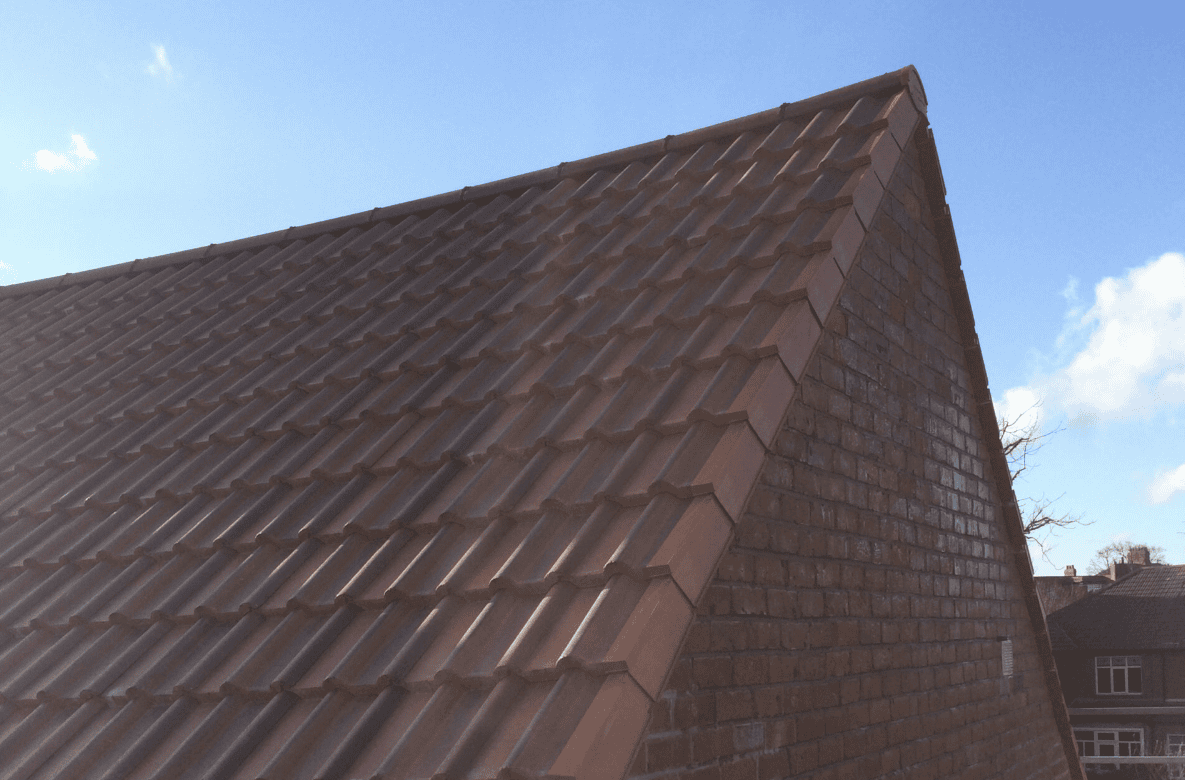
It runs diagonally along the outer edge of the roof at a gable end. On a traditional house with a triangular gable wall, there will commonly be a verge running up either side towards the ridge.
The tiles at these locations are more exposed than tiles sitting further inside the roof covering.
Wind can reach beneath the edges while rainwater can be driven against the roofline during poor weather.
The verge therefore needs to be both secure and weather-resistant.
Why Were Roof Verges Traditionally Finished With Mortar?
Mortar has been used extensively across British roofing for many years.
Roofers traditionally used mortar to bed and seal the exposed edges of roof tiles. When correctly installed and maintained, it can provide an effective finish.
The difficulty is that mortar does not remain in exactly the same condition forever.
A roof is exposed to repeated cycles of hot and cold weather, rain, frost and wind. Materials across the roof expand and contract slightly as temperatures change.
Over a long period, this movement can contribute to mortar cracking or becoming loose.
Once sections begin to deteriorate, small pieces can fall away and leave gaps along the verge.
This is one of the reasons dry-fix roofing methods have become widely used on modern pitched roofs.
How Does a Dry Verge System Work?
A dry verge system uses individual units fitted along the edge of the roof tiles.
The exact method depends on the roof and the system being installed but the units generally overlap or interlock as they travel upwards along the verge.
Each section helps cover the edge of the tile beneath it.
Rather than being held in position by mortar, the system uses mechanical fixings. This helps secure the verge against movement caused by wind and changing weather.
The upper section is then finished around the ridge to complete the roofline.
A properly fitted dry verge should create a continuous finish along the gable edge while protecting the area beneath the tiles.
Good installation is important. Dry verge units should not simply be pushed over the edge of loose tiles without checking what lies underneath. The roof tiles, battens and surrounding materials all need to be in suitable condition.
Why Are Dry Verge Systems Used?
There are several reasons homeowners choose to have a dry verge system fitted.
One of the main reasons is to replace old or deteriorating mortar.
If mortar repeatedly cracks or falls away from the verge, mechanically fixed units can provide another method of securing and protecting the roof edge.
Dry verge can also be installed as part of a new roofing project. When we install or work on tiled roofs, the verge is considered as part of the complete roofing system rather than as a separate decorative feature.
The objective is to make sure the outer edges of the roof remain protected from the weather.
What Are the Benefits of a Dry Verge System?
Reduced Reliance on Mortar
One of the main benefits is that a dry verge does not depend on mortar to remain secure.
Traditional mortar can deteriorate through age, movement and exposure to the weather. Dry verge units are mechanically fixed, removing the need to continually rely on the condition of a mortar joint.
This does not mean the system requires no attention at all, but it removes one common source of verge deterioration.
Protection Against the Weather
Roof verges are highly exposed parts of the property.
Strong winds can reach the outer roof tiles while rain can be driven towards gaps around the edges.
A correctly installed dry verge system covers these exposed edges and helps prevent rain, wind and debris from reaching beneath the tiles.
This is especially relevant across the North East where roofs regularly experience periods of high winds and heavy rain.
A Secure Fixing Method
Dry verge systems use mechanical fixings to hold the verge units in place.
This helps create a secure finish along the roof edge.
The strength of the finished system still depends on correct installation and the condition of the underlying roof but mechanical fixing reduces reliance on mortar adhesion alone.
A Consistent Appearance
A dry verge creates a defined line along the gable end.
Because individual units interlock along the edge of the roof, the finish can appear consistent from the eaves to the ridge.
Different colours and styles are available to suit different types of roof covering.
When fitting a new verge, we consider how it will work with the existing tiles and overall appearance of the property.
Less Mortar Maintenance
Traditional verge mortar may need repairing when cracks appear or sections fall away.
Dry verge systems remove the exposed mortar joint, meaning homeowners do not need to keep repointing this particular area of the roof.
Roof inspections are still sensible because tiles, fixings and other roofing components can develop issues independently of the verge system.

What Are the Signs That Roof Verge Mortar Is Failing?
You may be able to identify verge deterioration from ground level without climbing onto the roof.
Common warning signs include visible cracks in the mortar, missing sections, loose pieces or areas where the mortar appears to be pulling away from the tiles.
You may also find small pieces of mortar on the ground around the side of the property.
Never assume that material falling from a roof is harmless.
If mortar is coming loose, the tiles above it should also be checked to make sure they remain secure.
Another warning sign is a visible gap beneath the outer roof tiles.
The extent of the problem should be assessed before deciding whether the roof requires localised repairs or a dry verge replacement.
Can Loose Verge Mortar Cause Roof Problems?
It can.
The verge helps close off the outer edge of the tiled roof. If large sections of mortar fall away, the roof may become more exposed to wind-driven rain.
Loose mortar can also leave outer tiles with less support than intended.
In severe weather, exposed roof edges can experience significant wind pressure.
The problem may begin with only a small crack but repeated exposure to rain, frost and movement can cause that crack to become larger.
This is why we recommend dealing with visible deterioration rather than waiting for a roof leak to develop.
Can You Fit Dry Verge to an Existing Roof?
In many cases, yes.
Dry verge systems are not only used on completely new roofs. They can also be installed on suitable existing roofs when old mortar has deteriorated.
However, the roof should be inspected first.
Existing tiles need to be checked for damage and the condition of the battens, verge and surrounding roof area needs to be considered.
If there are cracked tiles, rotten battens or other defects, these should be dealt with as part of the work.
Covering existing damage with a new verge system will not solve problems underneath.
At North East Contractors Ltd, we inspect existing pitched roofs before deciding what type of repair or replacement work is appropriate.
Does Dry Verge Work With Every Type of Roof Tile?
Dry verge systems are available for a wide range of commonly used roof tiles but the correct system needs to be selected for the roof.
Roof tiles differ in their shape, profile and dimensions.
A system designed for one tile profile may not provide the correct fit on another.
This is particularly important because the verge must cover and protect the edge effectively while remaining securely fixed.
When working with tiled roofs, we assess the existing roof covering and use an appropriate method for the tile being installed or retained.
What Is the Difference Between Dry Verge and Dry Ridge?
Dry verge and dry ridge systems are often mentioned together but they protect different parts of a pitched roof.
A dry verge system is installed along the diagonal edge of the roof at a gable.
A dry ridge system is installed along the highest point where two roof slopes meet.
Both systems use mechanical fixing methods rather than relying entirely on mortar.
The principle may be similar but they perform different jobs.
North East Contractors Ltd has also covered dry ridge systems and when you may need one in more detail in our roofing guides.
On some roofing projects, both dry ridge and dry verge systems may be fitted at the same time.
Can a Dry Verge Stop Birds and Insects Entering the Roof?
A correctly fitted dry verge helps close the exposed gap beneath the outer roof tiles.
This can make it more difficult for birds and larger pests to enter through the verge.
However, a dry verge is not a complete pest-control solution.
Birds, insects and other pests may enter a roof through damaged soffits, gaps around eaves, broken tiles or other openings.
If there are signs of animals or birds entering the roof space, the entire roofline may need checking rather than focusing solely on the verge.
Does Dry Verge Need Maintenance?
Dry verge systems generally require relatively little ongoing attention but they should still form part of routine roof checks.
After severe storms, it is sensible to look at the roof from ground level and check whether anything appears to have moved.
Signs worth investigating include a missing verge unit, a loose section, damaged roof tiles or a visible change to the roofline.
Never climb onto a roof to inspect the verge yourself unless you are trained and properly equipped to work at height.
Because verges sit at the outer edges of the roof, accessing them can be particularly dangerous.
A roofing contractor can inspect the system safely and check the condition of surrounding tiles and fixings at the same time.
What Happens During Dry Verge Installation?
The process will depend on whether the system is being installed on a new roof or added to an existing one.
When replacing traditional mortar verge, the existing material will normally need to be removed carefully.
The roof tiles and supporting components can then be inspected.
Any damaged tiles or roofing defects should be dealt with before the new system is installed.
The dry verge units are fitted from the bottom of the roof upwards, following the roofline towards the ridge. Each unit is positioned and mechanically secured according to the roof system being used.
The top of the verge is then finished around the ridge.
The result should be a straight, secure and weather-resistant roof edge.
You can see examples of roofing and building work completed by our team by viewing our recent projects.
Should I Replace Damaged Mortar With More Mortar or Install Dry Verge?
The right approach depends on the condition of the roof.
If there is a very small localised defect and the surrounding mortar remains in good condition, repair may be possible.
If extensive sections are cracked, loose or repeatedly requiring attention, a dry verge system may provide a more suitable solution.
We also consider the age and condition of the tiles.
If the entire roof covering is nearing the point where more substantial work is required, it may make more sense to consider the verge as part of the wider roof project.
We do not believe in assuming that every property requires exactly the same repair. A roof inspection allows us to understand why the existing verge has failed and what work is appropriate.
Why Is Correct Dry Verge Installation Important?
Although dry verge systems may look relatively simple from ground level, installation needs to be carried out correctly.
Poorly secured units can become loose in high winds.
Using the wrong units for the tile profile can result in a poor fit while installing a new verge over damaged roof components can leave underlying defects unresolved.
The roof edge must work as part of the wider roofing system.
That includes the tiles, battens, ridge, eaves and surrounding roofline.
This is why dry verge installation is best included within a professional assessment of the roof rather than treated purely as a cosmetic improvement.
Are Dry Verge Systems Suitable for North East Properties?
Dry verge systems can be suitable for many properties across the North East, particularly roofs exposed to regular periods of wind and rain.
Coastal areas such as Whitley Bay can experience particularly demanding weather conditions, making secure roof edges important.
Suitability still depends on the individual roof.
The type of tiles, roof construction and existing condition all need to be considered before work starts.
Whether we are working on older roofing or modern pitched roofs, we look at the complete roof rather than simply fitting new components without checking the surrounding structure.
Speak to North East Contractors Ltd About Dry Verge Systems
A dry verge system provides a mechanically fixed alternative to traditional mortar at the outer edges of a tiled roof. It can help protect exposed roof edges from the weather, secure the verge and reduce problems associated with cracked or loose mortar.
If you have noticed missing mortar, gaps beneath roof tiles or deterioration along the gable edge of your property, it is worth having the area inspected before further damage develops.
At North East Contractors Ltd, we provide roofing services throughout Whitley Bay, Newcastle and surrounding areas of the North East. From repairs to complete pitched and tiled roofing projects, we can assess your roof and explain which solution is suitable.
If you are considering a dry verge system or are concerned about the condition of your existing roofline, please get in touch with our team.