Industrial roofs are designed to protect large buildings, valuable equipment, stock and the people working inside them. However, even a well-installed roof can develop problems over time due to weather exposure, age, drainage issues, accidental damage or deterioration of individual roofing components.
One of the difficulties with industrial roofing is that early damage is not always obvious from ground level. A small split in a membrane, blocked outlet or deteriorating joint can continue to let water into the roof structure before there is a noticeable leak inside the building. Recognising the warning signs early can help prevent a localised roofing issue from spreading across a much larger area.
At North East Contractors Ltd, we work with commercial and industrial properties across Whitley Bay, Newcastle and the wider North East. Our experience with industrial roofing means we regularly assess roofs for damage, deterioration and areas that may require professional attention.
In this guide, we look at some of the most common industrial roof problems, the warning signs to watch for and why regular inspections are so important.
Why Do Industrial Roofs Develop Problems?
Industrial roofs face demanding conditions throughout the year. Large roof areas are exposed to wind, rain, frost, sunlight and changing temperatures while also having to accommodate drainage outlets, rooflights, ventilation equipment and other building services.
The larger the roof, the more joints, edges and penetrations there may be that require careful maintenance.
Some industrial roofs also experience regular foot traffic from engineers, maintenance teams and contractors accessing rooftop equipment. If the correct access routes are not used, roofing materials can become damaged through repeated use or dropped tools.
Age is another important factor. Roofing materials naturally change as they are repeatedly exposed to the weather. Fixings, seals, joints and waterproof membranes can all deteriorate over time.
This does not mean that every visible defect requires a complete roof replacement. In many cases, early identification can allow a smaller section to be repaired before the damage spreads.
1. Water Leaks Inside the Building
Water entering an industrial building is one of the clearest signs that something is wrong with the roof.
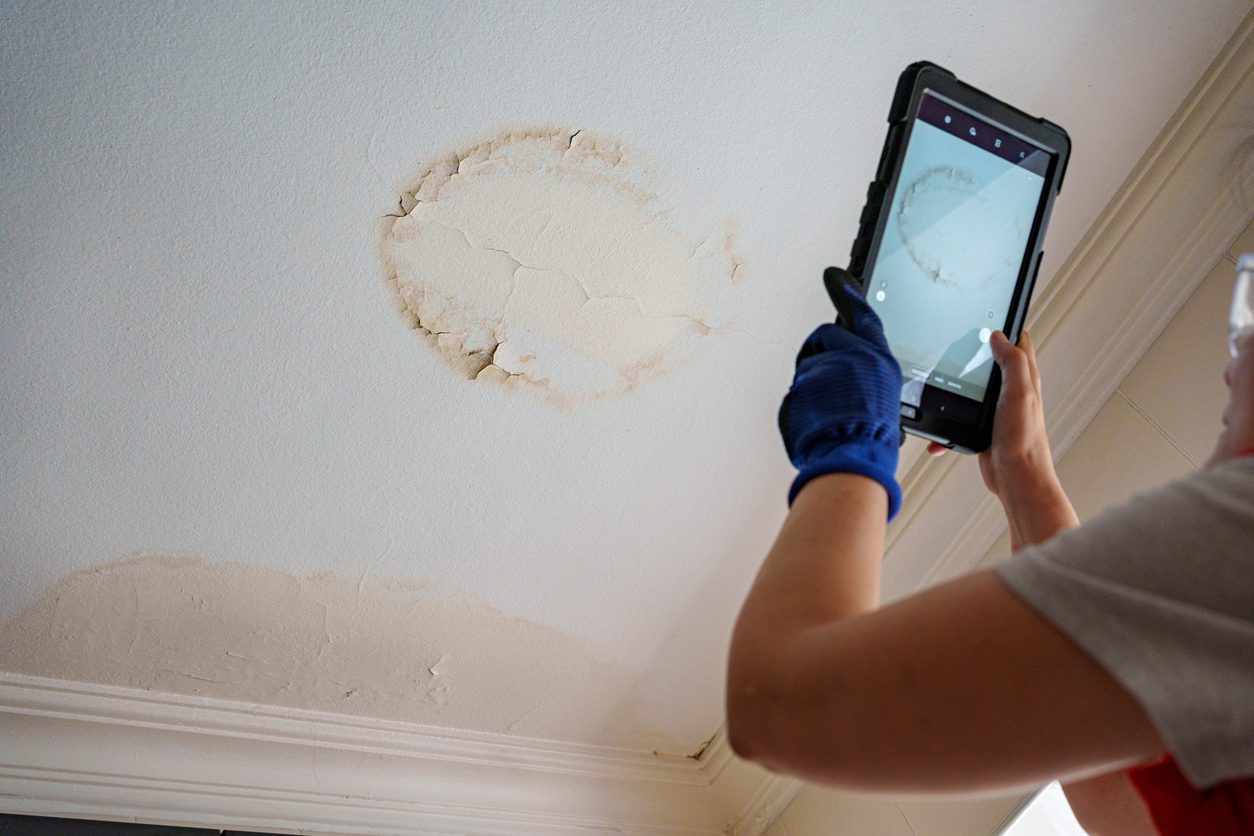
A leak may first appear as a water stain on a ceiling, dripping during heavy rain or dampness around an internal wall. In industrial units with exposed roof structures, water may also be visible on steelwork, insulation or internal cladding.
The challenge is that the position of the internal leak may not show the exact location of the external defect.
Water can travel across insulation, roofing sheets or structural elements before it becomes visible inside. A drip several metres away from an obvious roof penetration could still originate from that area.
Leaks can develop because of damaged membranes, loose fixings, failed joints, cracked rooflights, blocked drainage or deterioration around roof penetrations.
If water has started entering the property, the roof should be professionally inspected rather than simply treating the visible damp area inside.
Our industrial roofing service includes work on existing commercial and industrial roof systems where leaks or other defects have developed.
2. Standing Water on a Flat Industrial Roof
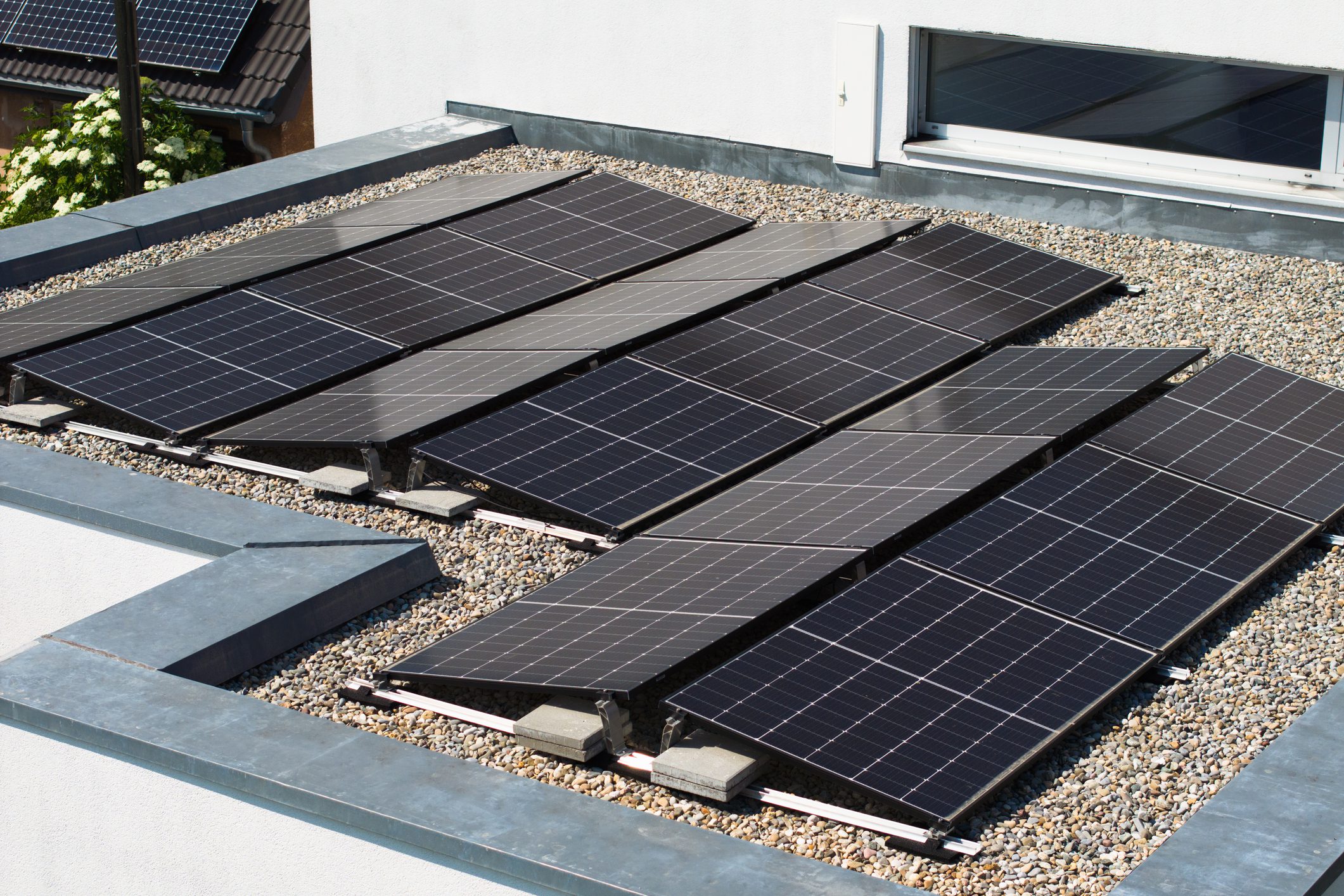
Large commercial and industrial roofs often use flat or low-pitched roofing systems. Although they are commonly called flat roofs, these roofs should normally include a suitable fall that directs rainwater towards drainage outlets.
When water remains in areas of the roof after rainfall, this is known as ponding or standing water.
A small amount of water immediately after rain is not necessarily unusual. The concern is water that repeatedly remains in the same place because it cannot drain effectively.
Ponding may occur because drainage outlets are blocked, the roof surface has settled or the original falls no longer direct water properly.
Over time, persistent standing water places additional stress on the roof covering and can expose existing weaknesses.
Our flat roofing work includes inspecting the roof surface and drainage arrangement to identify why water is collecting rather than simply dealing with the visible puddle.
3. Damaged or Split Roofing Membranes
Many modern industrial roofs use waterproof membranes across flat or low-pitched roof areas.
Membranes may become damaged for several reasons. Sharp materials can puncture the surface, repeated foot traffic can wear particular areas and movement within the building can place pressure on joints or details.
Damage can sometimes be very small but still provide a path for water to enter.
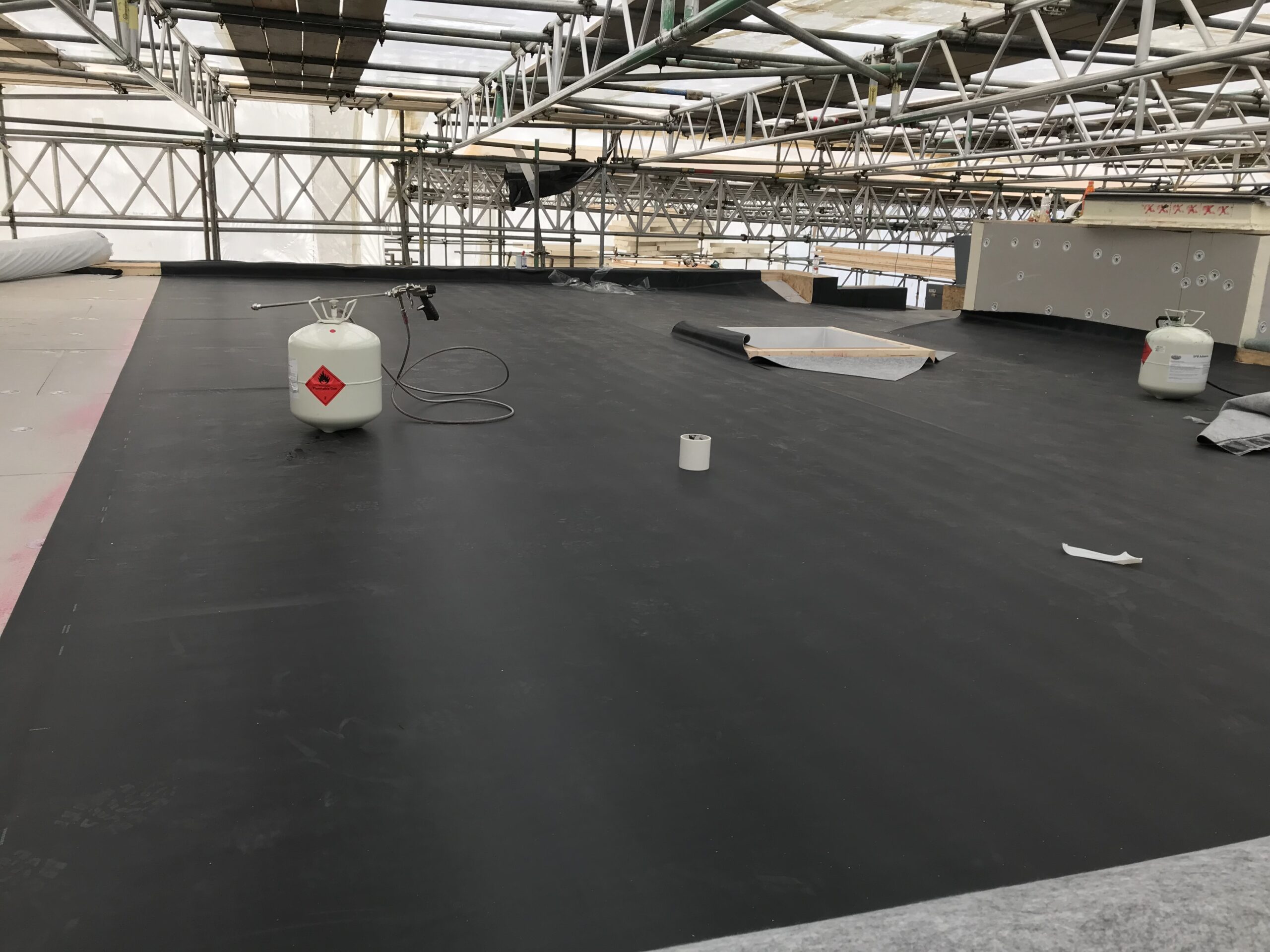
With single ply roofing, particular attention should be paid to joints, edges, drainage points and areas surrounding rooftop equipment.
A visible tear, puncture or open joint should not be ignored simply because the building has not started leaking internally.
Water may already be entering the roofing build-up without being immediately visible from inside.
4. Problems Around Roof Joints and Seams
Large industrial roofs often require multiple sections of roofing material to be joined together.
These joints are important because they help create a continuous waterproof surface.
If a joint begins to separate or deteriorate, rainwater can find a way beneath the roof covering. Movement caused by temperature changes can sometimes place additional pressure on vulnerable sections.
On heat-welded systems, properly formed joints are designed to create a watertight connection between sheets. However, accidental damage or deterioration elsewhere around the detail can still create problems.
When we inspect single ply roofing, we assess more than the open roof surface. Edges, upstands, penetrations and joints all need to be considered because these are common areas where weaknesses can become apparent.
5. Blocked Roof Drains and Gutters
Industrial roofs can collect a surprising amount of debris.
Leaves, moss, dirt and other material may gradually build up around gutters or roof outlets. Once drainage becomes restricted, rainwater may begin collecting on the roof rather than flowing away as intended.
Large roof areas can receive substantial volumes of water during prolonged rainfall. A drainage system that is partially blocked may struggle to cope when weather conditions become more severe.
Warning signs can include water gathering around outlets, gutters overflowing during rainfall or damp appearing near the edges of the building.
Regular checks can help keep drainage points clear.
If standing water keeps returning even after an outlet has been cleared, there may be an issue with the roof falls or another part of the drainage system.

6. Loose or Damaged Roofing Sheets
Sheet roofing is common across warehouses, workshops, factories and other industrial buildings.
Roofing sheets can become damaged through age, severe weather or accidental impact. Fixings can also loosen or deteriorate.
Signs that require attention may include visibly displaced sheets, corrosion, unusual movement during high winds or gaps around fixings.
Even a small amount of movement can allow wind-driven rain to reach areas beneath the covering.
Loose materials can also present a safety concern during severe weather.
If anything appears to have shifted following strong winds, arranging an inspection is preferable to waiting for an internal leak to confirm that something is wrong.
7. Deteriorating Rooflights
Rooflights are useful for bringing natural daylight into large industrial buildings but they also form interruptions in the main roof covering.
Over time, rooflights can deteriorate, seals can become worn and the surrounding roofing details may require attention.
Internally, a rooflight problem may first appear as staining, dripping water or dampness around its edges.
Not every leak close to a rooflight is necessarily caused by the rooflight itself. Water can travel from another part of the roof before appearing around the opening.
For this reason, the surrounding roofing system should be inspected rather than assuming the most obvious feature is responsible.
Older rooflights may also become discoloured or more brittle as they age, which can indicate that closer inspection is worthwhile.
8. Damage Around Pipes, Vents and Rooftop Equipment
Industrial roofs frequently contain more penetrations than domestic roofs.
Ventilation systems, pipes, extraction equipment, air conditioning units and other building services may all pass through or sit on the roof.
Each penetration requires careful waterproof detailing.
If a seal or surrounding material becomes damaged, water can enter around the point where the equipment meets the roof.
Problems can also occur after new equipment has been installed if the roofing around it has been disturbed.
Whenever contractors carry out work on rooftop equipment, it is sensible to check the surrounding roof afterwards.
This is especially important for flat roofing, where water may travel across the surface towards penetrations and drainage points.
9. Blistering, Bubbling or Raised Areas
Changes to the shape of a roof membrane can indicate that something is happening beneath the surface.
Blisters or bubbles can sometimes form when moisture or air becomes trapped within part of the roofing system.
Raised areas should be assessed rather than punctured or cut open.
Breaking the waterproof surface without understanding the underlying cause can turn a contained issue into a direct route for rainwater.
A roofing inspection can help determine whether the affected section needs repair and whether moisture has entered any of the layers beneath the visible covering.
10. Corrosion on Metal Roofing
Metal roofing components can deteriorate through prolonged exposure to moisture and weather.
Surface corrosion may initially appear limited but more advanced deterioration can weaken sheets, fixings or flashings.
Industrial buildings close to the North East coast can also face demanding environmental conditions, making routine inspection particularly useful.
Areas around fixings, sheet overlaps and drainage routes can be worth checking because water may remain around them for longer.
If corrosion has created holes or weakened the material, repairs should be considered before water reaches the structure beneath.
11. Damaged Flashing and Roof Edges
The perimeter of an industrial roof plays an important part in protecting the building against wind-driven rain.
Flashings and edge details are used where different roof surfaces meet or where the roof connects with walls and other structures.
Loose, damaged or poorly secured flashing can create an opening for water.
Industrial roof edges are also particularly exposed during high winds.
After severe weather, signs such as loose metalwork, displaced coverings or new internal damp patches should be investigated.
Roof problems around edges can sometimes worsen quickly once wind gets beneath a loose section.
12. Sagging or Changes to the Roof Surface
A visible dip, sag or change in the roof line should not be overlooked.
Some roof surfaces naturally include changes in level due to their original design but a new or worsening depression could indicate movement within the structure or roofing build-up.
It may also explain why water has started collecting in an area that previously drained correctly.
The cause should be established before simply applying another waterproof covering over the affected section.
If the supporting structure has moved, the underlying issue will still remain.
13. Damp Insulation and Internal Condensation
Not every moisture problem in an industrial building starts with rainwater entering from outside.
Condensation can occur when warm, moisture-laden internal air reaches colder parts of the roof construction.
This can be particularly relevant in buildings where processes generate heat or moisture.
Persistent condensation can affect insulation, roofing materials and internal surfaces. It can also sometimes be mistaken for a roof leak.
Determining whether the moisture is caused by rainwater penetration, condensation or a combination of factors is important before deciding what work is required.
A professional assessment should consider the complete roof system rather than focusing only on the visible covering.
14. Unexpected Changes After Severe Weather
Strong winds and heavy rainfall can expose weaknesses that had previously gone unnoticed.
Following severe weather, building owners or facilities managers may notice new leaks, displaced roof materials, loose flashing or debris across the roof surface.
Storm damage is not always immediately visible from ground level.
A roof may appear normal while a section of membrane, sheet or edge detail has been affected.
Where safe access is available, routine inspections following significant weather events can help identify changes. Roof access should only be carried out by people who are properly trained and equipped to work safely at height.
Why Should Industrial Roof Problems Be Addressed Early?
A small roofing defect can affect far more than the roof covering itself.
Once water enters the building, it can reach insulation, structural components, electrical equipment, stored materials and internal finishes.
For businesses, a significant leak can also interrupt normal operations if parts of the building become unsafe or unusable.
Early inspection provides an opportunity to understand the extent of the problem before deciding on the appropriate repair.
In some circumstances, a localised section can be addressed. In others, deterioration may be more widespread.
The important point is to identify what is actually happening rather than continuing to treat individual symptoms.
How Often Should an Industrial Roof Be Inspected?
There is no single inspection schedule that suits every industrial building.
The age of the roof, roofing system, surrounding environment, level of rooftop activity and condition of the drainage system can all influence how frequently checks are advisable.
Regular inspections are particularly useful before and after periods of severe weather.
The roof should also be checked after significant work involving rooftop equipment or building services.
Facilities managers can support this by keeping records of leaks, repairs and maintenance. If the same area repeatedly develops problems, this information can help identify a wider issue.
You can also view some of our recent projects to see examples of the roofing and building work carried out by our team.
When Should You Call an Industrial Roofing Contractor?
You do not need to wait until water is pouring into the building before arranging an inspection.
Repeated ponding, visible membrane damage, loose sheets, blocked drainage, deteriorating joints or unexplained damp can all justify taking a closer look at the roof.
The earlier the cause is identified, the better the chance of preventing damage to other parts of the building.
Industrial roofing should also be inspected by professionals because accessing large commercial roofs presents serious safety risks. Rooflights, fragile surfaces, wet membranes and unprotected edges can all create hazards.
Attempting to inspect or repair an industrial roof without suitable equipment and training can be dangerous.
Speak to North East Contractors Ltd About Industrial Roofing
At North East Contractors Ltd, we provide roofing services for commercial and industrial properties throughout Whitley Bay, Newcastle and surrounding areas of the North East.
Whether you have noticed an active leak, standing water, damaged materials or another potential warning sign, we can inspect the roof and establish what work is required.
Our work covers dedicated industrial roofing as well as modern systems including single ply and other flat roofing applications. The aim is always to identify the underlying problem and provide the appropriate roofing solution for the building.
If you are concerned about the condition of an industrial roof or would like to discuss roofing work for your commercial premises, please get in touch with our team.