If you have an older fibre cement roof, it is understandable to ask whether the tiles or sheets contain asbestos. Many homeowners have heard the name Eternit linked with older cement roofing materials, and that can cause concern when a roof starts to age, crack or needs replacing.
The simple answer is this: modern Eternit roofing products do not contain asbestos, but some older fibre cement roofing materials may contain asbestos. If you are not sure how old your roof is, or if you are planning work on it, the safest approach is to treat it with caution until it has been properly checked.
At North East Contractors Ltd, we work with homeowners who want clear advice and reliable roofing work. In this guide, we explain why asbestos was used in older fibre cement roofs, how to spot possible warning signs, what not to do and when to consider replacing an ageing roof with modern alternatives.
Why are Eternit roofs linked with asbestos?
Eternit is a well-known name in fibre cement roofing. Fibre cement has been used for many years because it is lightweight, weather-resistant and suitable for a range of roof types. Older asbestos cement products were once popular because asbestos fibres helped strengthen the cement mix and offered good resistance to heat and weather.
The problem is that asbestos is now known to be harmful when fibres are released into the air and breathed in. Because of this, asbestos is no longer used in modern roofing products in the UK. Today’s fibre cement roofing materials use safer alternatives, such as natural and synthetic fibres, rather than asbestos.
However, many older roofs are still in place. This is especially true on garages, sheds, outbuildings, farm buildings, extensions and older properties. If a roof was installed decades ago and appears to be made from fibre cement sheets or slates, it is worth checking before any repair, cleaning or replacement work begins.

Do all old fibre cement roofs contain asbestos?
No, not all old fibre cement roofs contain asbestos. The difficulty is that you cannot confirm whether a roof contains asbestos just by looking at it.
Some roofs may look very similar, even though one contains asbestos and another does not. Age can give you a clue, but it is not proof. A roof installed before asbestos was fully phased out is more likely to need careful assessment, but visual checks alone should never be relied on.
This is why testing is important. A professional asbestos survey or sample test can confirm whether asbestos is present. Until you know for certain, it is better to avoid drilling, cutting, pressure washing, sanding or breaking the material.
Where might asbestos cement roofing be found?
Asbestos cement roofing was commonly used on practical buildings where a strong, lightweight and affordable roof was needed. Homeowners may come across it on:
- Garages
- Sheds
- Lean-tos
- Outbuildings
- Porches
- Extensions
- Agricultural buildings
- Older commercial units
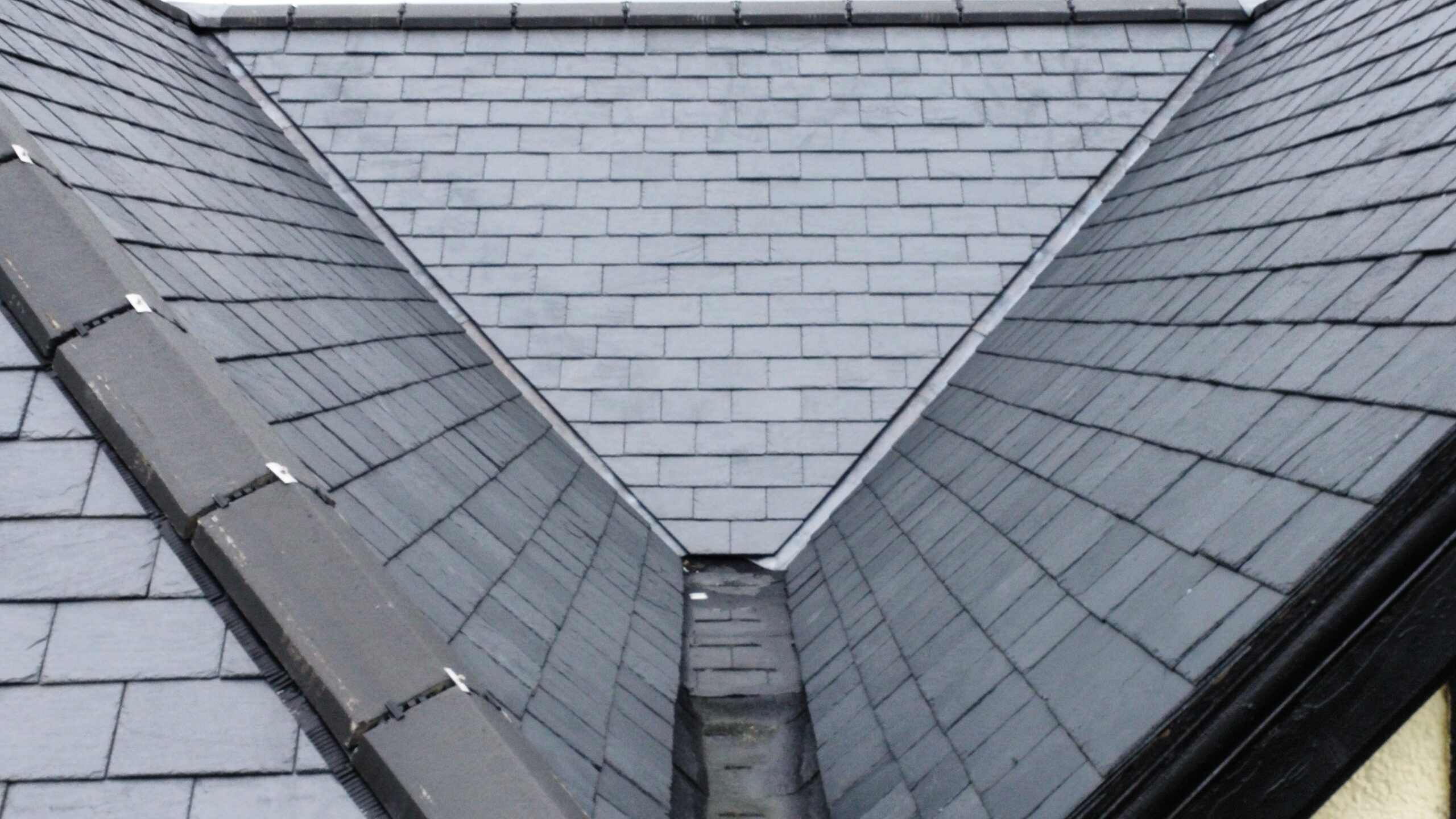
It may appear as corrugated sheets, flat sheets, roof slates or panels. Corrugated asbestos cement sheets are often seen on garages and larger outbuildings, while fibre cement slates can appear on pitched roofs.
The material may be grey, weathered, moss-covered or painted. It may also have become brittle with age. None of these signs confirms asbestos, but they do suggest the roof needs proper care before work is carried out.
Is asbestos cement roofing dangerous?
Asbestos cement is generally considered lower risk than some other asbestos-containing materials because the fibres are bound into the cement. However, that does not mean it should be ignored.
The main risk comes when the material is damaged, drilled, cut, broken, heavily weathered or cleaned in a way that releases dust. Once asbestos fibres become airborne, they can be inhaled. That is where the danger lies.
A roof that is intact, in good condition and left undisturbed may not pose the same level of immediate risk as damaged material. However, if the roof is cracked, crumbling, leaking or likely to be disturbed during building work, it should be assessed properly.
Homeowners should never try to remove suspected asbestos roofing without the right knowledge, equipment and controls. Even small jobs can create dust if the material is handled badly.
How can you tell if roof tiles contain asbestos?
There are a few signs that may suggest a roof could contain asbestos cement, but none of them are enough to confirm it.
The age of the property or roof is one of the first things to consider. If the roof was installed several decades ago, caution is sensible. You can check old building records, previous survey reports, invoices or planning documents if you have them.
The type of material can also give clues. Corrugated cement sheets, thin fibre cement slates and rigid grey panels are common examples of materials that may need checking.
The condition of the roof matters too. Cracks, broken edges, surface wear, heavy moss, staining and weathering can all mean the roof is getting older. These issues do not prove asbestos is present, but they can mean the roof is no longer performing properly.
Some sheets may have stamped markings or manufacturer details, although these can be hard to read after years of exposure. Even where a name or mark is visible, it may not be enough to confirm the exact make-up of the material.
The only reliable way to know is to have the material tested by a competent asbestos professional or laboratory.
What should you avoid doing?
If you think your roof might contain asbestos, there are several things you should avoid.
- Do not pressure wash it. Pressure washing can damage the surface and create contaminated runoff or airborne fibres if asbestos is present.
- Do not drill into it. Drilling can release dust and disturb the material.
- Do not cut or saw it. Cutting suspected asbestos cement is dangerous without proper controls.
- Do not sand or scrape it. Abrasion can break down the surface and release fibres.
- Do not walk on it. Older fibre cement sheets can be fragile and may not safely support weight.
- Do not break it into smaller pieces. Breaking asbestos cement can release dust and make disposal more difficult.
- Do not put it in general household waste. Asbestos waste must be handled and disposed of correctly.
If the roof is leaking or damaged, the safest step is to arrange a proper inspection rather than trying to patch it yourself.
Should an asbestos roof always be removed?
Not always. If asbestos cement roofing is in good condition and not likely to be disturbed, it may sometimes be managed in place. This decision should be based on the condition of the roof, how the building is used and whether any future work is planned.
However, removal or replacement may be the right option if the roof is damaged, leaking, badly weathered or near the end of its useful life. It may also be sensible if you are renovating the building, converting a garage or planning other work that would disturb the roof.
A replacement roof can also improve the appearance and performance of the building. Older fibre cement roofs may suffer from leaks, loose fixings, poor insulation and surface wear. In some cases, the safest and most practical long-term option is to replace the ageing material with modern fibre cement roofing.
What are modern Eternit roofs made from?
Modern Eternit fibre cement roofing products are not made with asbestos. They are manufactured using cement, water and reinforcing fibres such as natural and synthetic fibres.
This gives homeowners the benefit of fibre cement roofing without the asbestos concern linked to some older materials. Modern fibre cement can be lightweight, durable and weather-resistant, making it a strong option for many roof replacement projects.
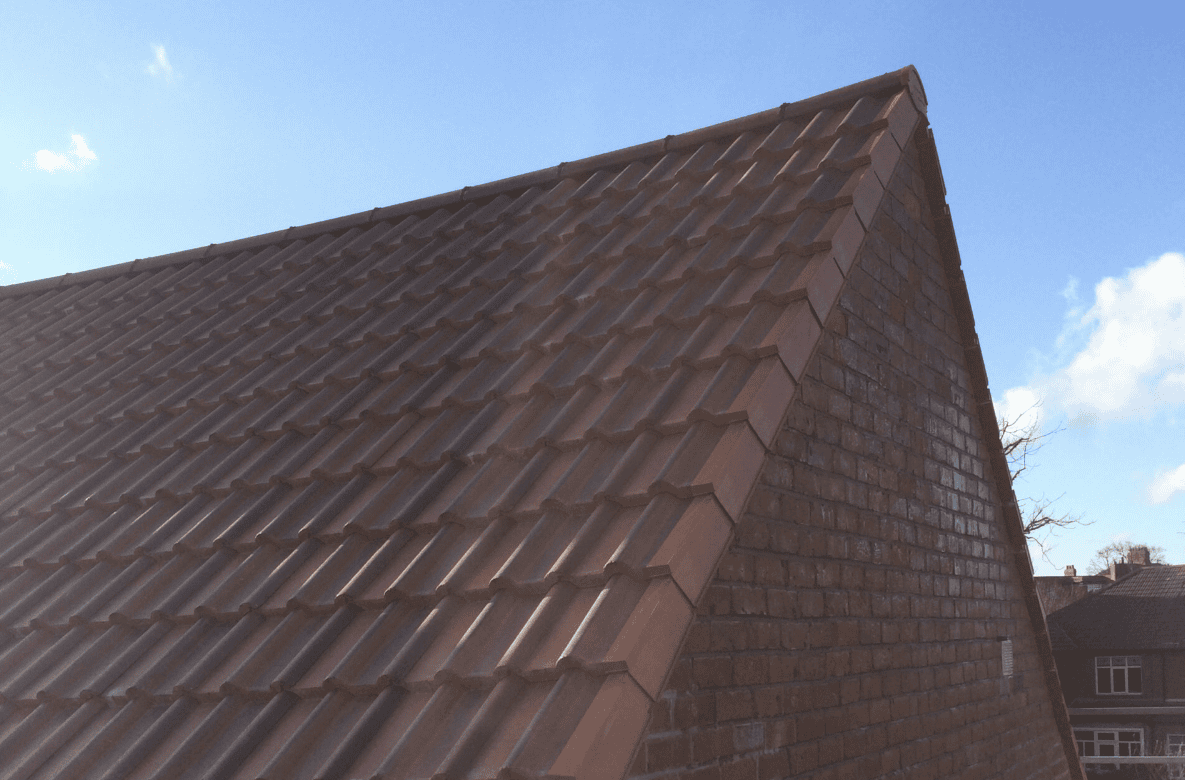
For homeowners who like the practical benefits of older fibre cement roofing but want a safer modern option, new Eternit roofs can be a sensible choice. They can be used for a range of properties and outbuildings, depending on the roof structure, design and project requirements.
Why replace an older fibre cement roof?
There are several reasons why you might choose to replace an older fibre cement roof.
The first is safety. If asbestos is present and the roof is damaged or likely to be disturbed, professional advice is important. Replacing the roof can remove uncertainty and help make the building safer for future use.
The second is weather protection. Older roofs can develop cracks, loose fixings and worn surfaces. This can lead to leaks, damp and damage inside the building.
The third is appearance. A tired, moss-covered or cracked roof can make the whole property look neglected. A new roof can give the building a cleaner and more cared-for finish.
The fourth is practicality. If you are improving a garage, outbuilding or extension, it often makes sense to deal with the roof at the same time. This avoids carrying out other work underneath a roof that may need replacing soon.
The fifth is peace of mind. Once the roof has been checked, safely removed where needed and replaced with a modern product, you can feel more confident about using the space.
What happens during a roof replacement?
The exact process depends on whether asbestos is present, the size of the roof and the type of replacement system being installed.
If asbestos is suspected, testing or a survey should come first. If asbestos is confirmed, the removal must be planned and handled correctly. This may involve specialist procedures, controlled removal, correct packaging and approved disposal.
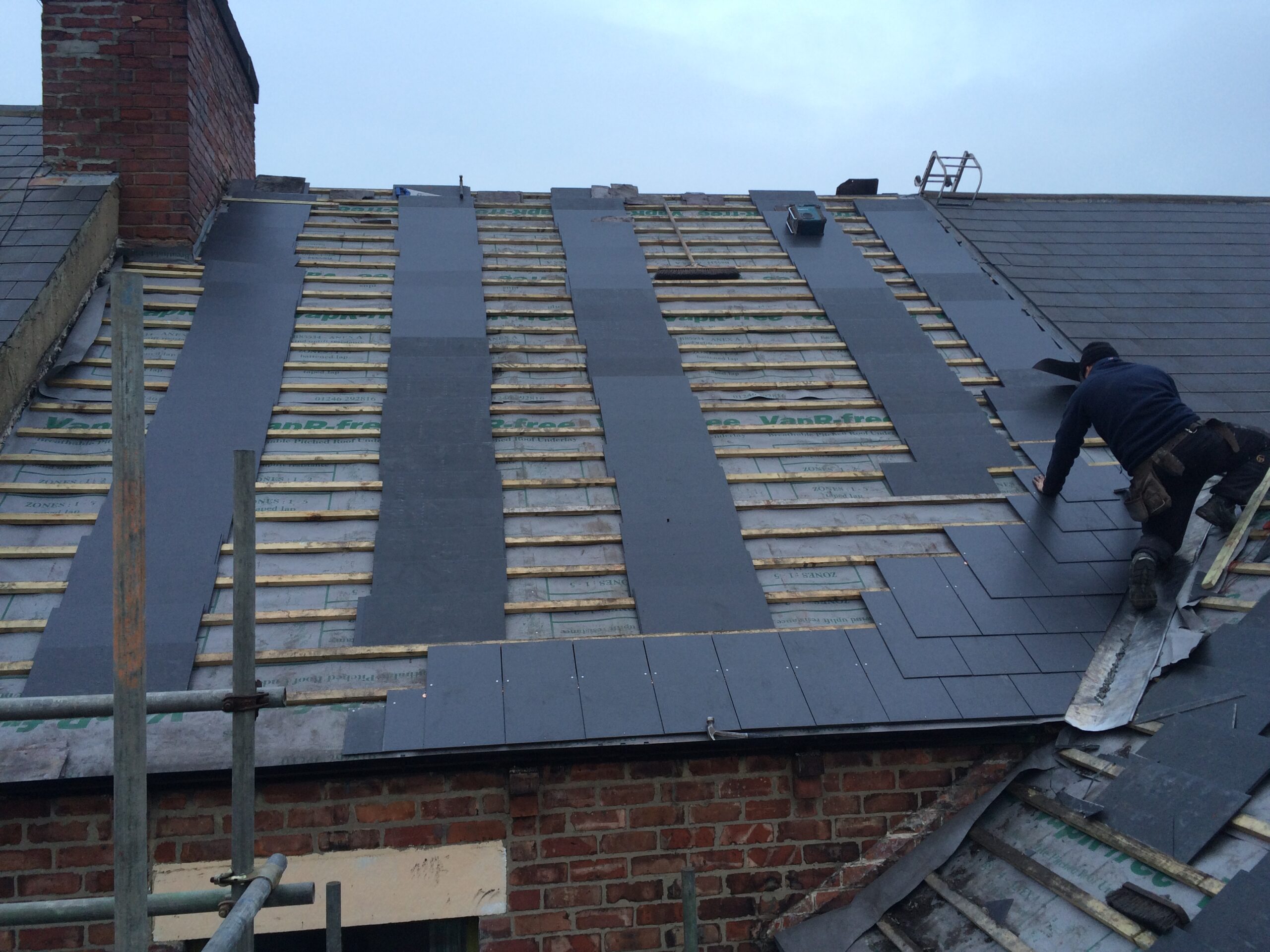
Once the old material has been dealt with safely, the roof structure can be checked. This is important because older roofs may have weakened timbers, poor fixings or other issues that need attention before the new roof is installed.
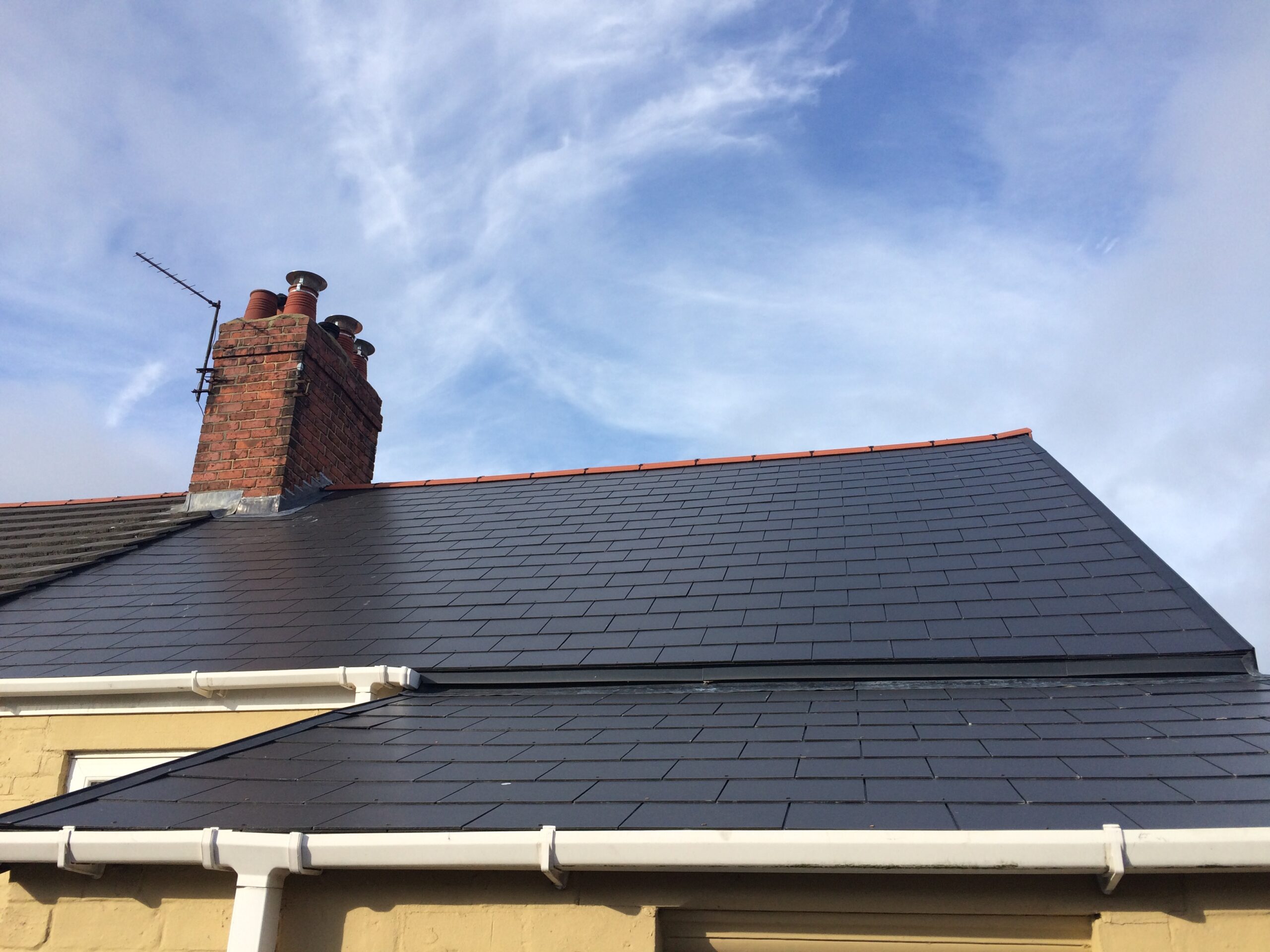
The new roof can then be fitted using suitable materials for the building. Modern fibre cement roofing is often chosen where homeowners want a practical, durable and familiar-looking replacement.
A good contractor will also think about ventilation, fixings, flashings, ridges, edges and weatherproofing. These details matter because a roof is only as good as the way it is installed.
Can you repair an old Eternit or fibre cement roof?
Sometimes small repairs may be possible, but caution is needed if the roof could contain asbestos. Repairing a suspected asbestos cement roof can still disturb the material, especially if fixings need to be removed or broken sheets need handling.
If the roof is modern and asbestos-free, repair may be more straightforward. Even then, it is worth considering whether repair or replacement is better value. A roof with one small issue may be suitable for repair, but a roof with widespread cracking, repeated leaks or heavy weathering may be reaching the end of its life.
A professional inspection can help you decide. We can look at the condition of the roof, the likely age, the visible damage and the options available. If asbestos is suspected, we will advise that it is checked properly before any work proceeds.
What should homeowners do first?
If you are worried about an older fibre cement roof, the first step is not to disturb it. Avoid DIY cleaning, drilling, cutting or removal. Keep people away from damaged areas and do not walk on fragile sheets.
Next, gather any information you have. Old paperwork, dates, survey reports or previous work records can all help build a clearer picture.
Then arrange a professional assessment. Depending on the situation, this may involve an asbestos survey, sample testing or advice from a suitable specialist. Once you know what you are dealing with, you can make a safer decision about repair or replacement.
If the roof is confirmed as asbestos-free, the work can be planned in the usual way. If asbestos is present, the job can still be dealt with, but it needs the right handling and disposal.
Why choose North East Contractors?
Roofing work should always be handled carefully, especially when older materials may be involved. At North East Contractors, we take a practical, safety-first approach. We do not encourage unnecessary work, but we do believe older roofs should be checked properly before they become a bigger problem.
We can advise on modern replacement options, including fibre cement roofing, and help you understand what may be suitable for your property. Whether you are dealing with an ageing garage roof, an outbuilding, an extension or a larger roofing project, our team can explain the options clearly.
We work with homeowners across Whitley Bay and the surrounding North East area, offering straightforward advice and reliable workmanship.
So, do Eternit roof tiles contain asbestos?
So, do Eternit roof tiles contain asbestos? Modern Eternit roofing products do not, but some older fibre cement roofs may contain asbestos. The key point is that you cannot confirm this by sight alone.
If your roof is older, damaged or due to be replaced, do not drill, cut, pressure wash or remove it yourself. Have it checked properly and follow safe advice before any work begins.
Replacing an ageing fibre cement roof with a modern alternative can improve safety, weather protection and appearance. It can also give you peace of mind, especially if the existing roof has been a concern for some time.
If you are unsure about an older roof or would like to discuss replacement options, contact us today. Our team at North East Contractors will be happy to help.