A sagging roof is not something to ignore. While some roofing issues are cosmetic or limited to a small area, a sagging roof can point to a deeper problem with the roof structure, roof covering or the way weight is being carried across the property.
In some cases, the sag may be minor and linked to age, old materials or a localised weakness. In other cases, it can be a sign that the roof is under too much strain or that water has damaged the timbers beneath the tiles. The sooner the problem is checked, the easier it is to understand what is happening and what needs to be done.
At North East Contractors Ltd, we help homeowners identify roofing problems and choose the right repair route. As experienced roofers in Whitley Bay, we know that a sagging roof can be worrying, especially when you are unsure whether it needs a small repair or a much larger job.
This guide explains what causes a sagging roof, the signs to look out for, the repair options available and the factors that affect cost.
What does a sagging roof look like?
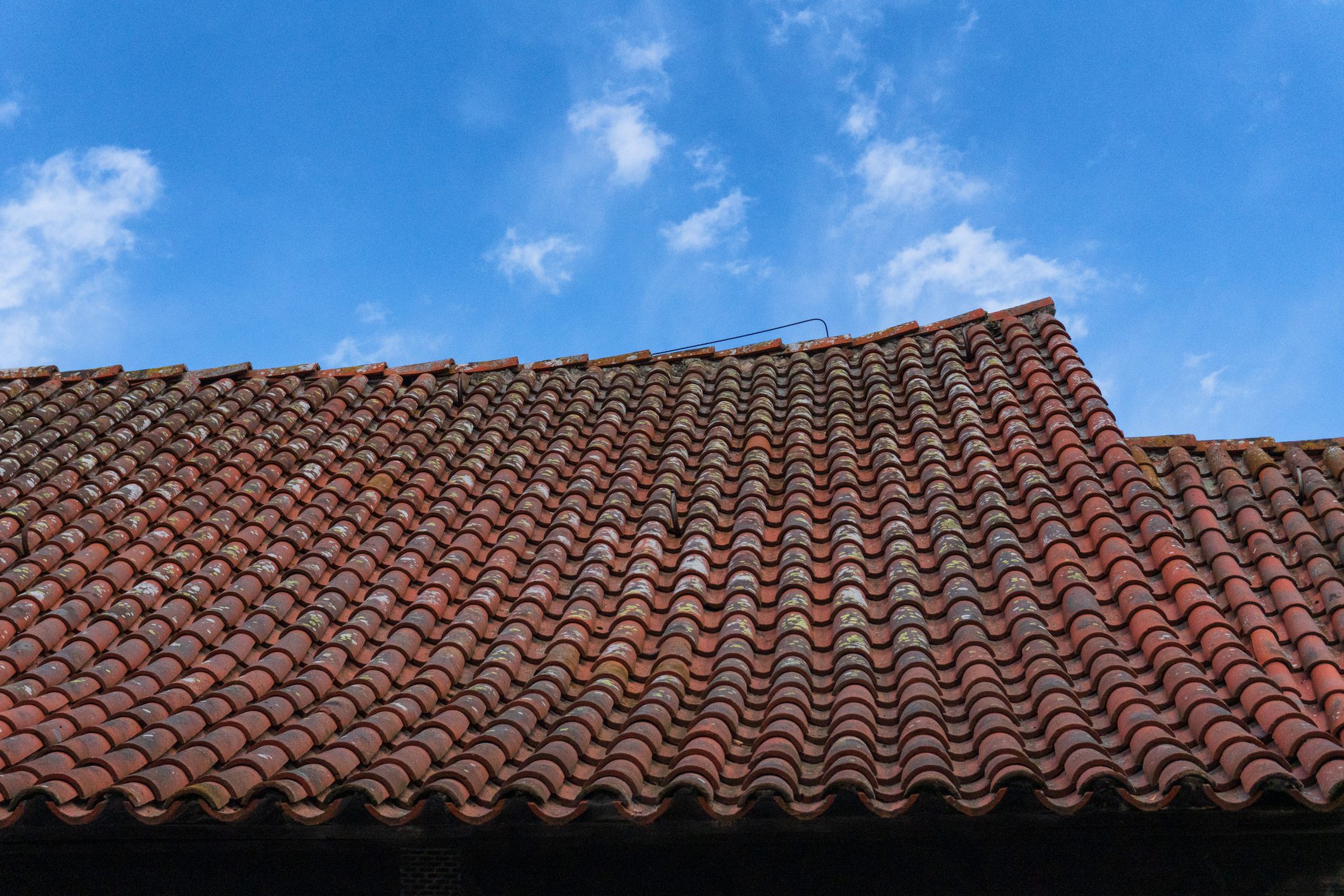
A sagging roof may not always be obvious at first. Sometimes it looks like a dip in the roofline when viewed from the street. Other times, one side of the roof may appear uneven, bowed or lower than the rest.
You may notice that the ridge line, which is the highest point of the roof, no longer looks straight. There might be a visible curve between the two ends of the roof or a dip in the middle. On pitched roofs, a sag can also appear across one slope, making the tiles or slates look wavy.
Inside the property, warning signs can include cracks in ceilings, damp patches, doors that stick, movement in the loft timbers or daylight coming through gaps in the roof. You may also notice tiles slipping, gutters pulling away or internal plaster beginning to crack near the top of walls.
A roof does not need to be collapsing to be a concern. Any visible change in shape should be inspected by a professional.
Is a sagging roof dangerous?
A sagging roof can be dangerous if the structure is weakening or if the problem is getting worse. The level of risk depends on the cause, the age of the roof, the extent of movement and whether there is water damage.
A small dip in an older roof may have been present for years and may not need urgent major work. However, sudden sagging, worsening movement or signs of cracking and damp should be treated seriously.
You should not climb onto a sagging roof or try to inspect it from above. The roof may not be able to support extra weight safely. If you are concerned, keep away from the affected area and arrange a professional inspection.
Common causes of a sagging roof
There are several reasons why a roof may begin to sag. Some are linked to age and long term wear, while others are caused by water, poor workmanship or structural changes.
Water damage to roof timbers
Water is one of the most common causes of roof problems. If rain gets through broken tiles, damaged flashing, worn underlay or a leaking flat roof section, it can soak into the timber structure below.
Over time, damp timber can weaken, rot or lose its ability to carry weight properly. This can cause rafters, battens or other supporting timbers to bend. Once the timber starts to weaken, the roof covering above may begin to sag.
Water damage can stay hidden for a long time. A small leak in the loft may not show on ceilings straight away, especially if insulation absorbs the moisture. By the time a sag becomes visible outside, the problem may have been developing for months or years.
Too much weight on the roof
Roofs are designed to carry a certain amount of weight. If extra weight is added without proper checks, the structure may struggle.
This can happen when heavier roof tiles are fitted to a structure originally designed for lighter materials. It can also happen if old layers are not removed properly before new coverings are installed. In some cases, solar panels, insulation changes or other alterations may add load to a roof that is already weak.
This does not mean these improvements are always a problem. It means the roof structure should be suitable for the added weight. If it is not, sagging can develop over time.
Age and natural wear
Older roofs can sag because materials naturally weaken over time. Timber can dry out, warp or move. Fixings can corrode. Battens can become brittle. Roof coverings can shift as the property settles.
Many older homes have slight unevenness in the roofline, and this does not always mean the roof is unsafe. However, age related movement should still be checked if it appears to be getting worse or if there are other signs of damage.
A roof that has reached the end of its usable life may need more than a small repair. In some cases, replacement may be the most sensible long term option.
Poor previous roofing work
A sagging roof can also be caused by poor workmanship. If repairs or alterations have been carried out without proper support, the roof may not distribute weight correctly.
Examples include badly fitted roof coverings, incorrect removal of supporting timbers, unsuitable materials or rushed repairs that do not address the underlying issue. A roof may look acceptable from outside for a while, but poor work can lead to movement, leaks and sagging later.
This is why it is important to choose reliable roofers who understand both the visible roof covering and the structure beneath it.
Structural changes inside the property
Sometimes the cause of a sagging roof is not on the roof itself. Alterations inside the property can affect how weight is supported.
Removing internal walls, changing loft spaces, cutting roof timbers or adding new openings can all affect the structure if not done correctly. Loft conversions in particular need careful planning because the roof structure may need to be strengthened to suit the new use.
If your roof started sagging after building work, renovations or loft changes, this should be mentioned during the inspection.
Problems with roof spread
Roof spread happens when the roof pushes outwards against the walls of the property. This can cause the roof to dip and the external walls to move slightly. It is more common in older buildings or properties where roof supports have weakened.
Warning signs may include cracks near the top of walls, movement in the roofline, gaps in the loft or ceilings pulling away from walls. Roof spread needs proper assessment because it can affect both the roof and the building below.
Signs your sagging roof needs urgent attention
Some roof movement may be slow, but certain signs suggest you should arrange help quickly. These include a sag that has appeared suddenly, a roofline that is visibly getting worse, cracked or bowing ceilings, water coming into the loft or rooms, loose tiles, damaged gutters or loud creaking noises during bad weather.
You should also act quickly if the sag is near a chimney, roof valley, dormer, flat roof connection or any area where water collects. These areas are more likely to let water in if the structure has shifted.
If you are unsure, it is always better to have the roof checked. Waiting can allow water damage and movement to spread, making repairs more expensive.
Can a sagging roof be repaired?
Yes, many sagging roofs can be repaired, but the right solution depends on the cause. A roofer or structural specialist may need to inspect the roof from outside and inside the loft to understand what is happening.
If the sag is caused by a small area of damaged timber, it may be possible to strengthen or replace the affected section. If the issue is linked to slipped tiles, failed battens or water damage, the roof covering may need to be stripped back in that area so the underlying problem can be fixed.
If the whole roof structure is weak or the roof covering is near the end of its life, a larger repair or replacement may be recommended. In more serious cases, the property may need structural work to correct movement and restore support.
The key is to fix the cause, not just the visible dip.
Repair options for a sagging roof
A minor sag caused by localised damage may be repaired by replacing damaged timbers, securing loose materials and renewing the affected roof covering. This may involve removing tiles or slates from the damaged area, repairing the structure below and then reinstating the roof so it is watertight.
If water damage is the cause, the leak must be found and repaired. There is little value in strengthening damp or rotten areas if the roof will continue to let water in. Flashing, tiles, valleys, gutters and underlay may all need to be checked.
Where the roof has spread or lost support, strengthening work may be required. This could involve additional timbers, support adjustments or structural repairs. The exact method depends on the property and should be planned carefully.
If the roof is old, badly damaged or no longer suitable, replacing it may be the best option. Our new roofs service can help when a repair is no longer enough to protect the home properly.
How much does sagging roof repair cost?
The cost of repairing a sagging roof can vary widely because the cause and scale of the problem can be very different from one property to another. A small local repair will usually cost less than a large structural repair or full roof replacement.
The main cost factors include the size of the affected area, the type of roof, the condition of the timbers, the amount of access needed, the materials required and whether scaffolding is necessary.
If tiles or slates need to be removed and reinstated, this will affect labour time. If rotten timbers need replacing, the work becomes more involved. If the roof has spread or the structure has moved, specialist repairs may be needed.
A sagging roof can sometimes be repaired without replacing the whole roof, but a full inspection is the only way to know. A professional should explain the options clearly so you can compare short term repair with longer term value.
Will insurance cover a sagging roof?
Insurance may cover sudden damage caused by an insured event, such as a storm, but it may not cover gradual wear, poor maintenance or long term rot. Every policy is different, so you should check with your insurer.
If you plan to make a claim, take photos of visible damage and keep records of inspections or previous repairs. Do not climb onto the roof to take photos. Images from ground level or inside the loft may be enough to start the process.
If the roof is leaking or unsafe, you should still take reasonable steps to prevent further damage while waiting for advice from your insurer.
How to prevent a roof from sagging
Not every sagging roof can be prevented, especially in older properties, but regular maintenance can reduce the risk. Keep an eye on the roofline from ground level and look for missing tiles, damaged ridge tiles, loose flashing or blocked gutters.
Make sure leaks are repaired promptly. Water damage is one of the biggest threats to roof timbers, and small leaks can become serious if ignored.
Have the roof checked after severe weather, particularly if you notice slipped tiles or debris in the garden. If you are planning solar panels, loft work or a change of roof covering, arrange a roof assessment first to make sure the structure is suitable.
Why choose North East Contractors Ltd?
At North East Contractors Ltd, we know how important it is to deal with a sagging roof properly. A visible dip can be worrying, but the right inspection can help you understand what is causing it and what your options are.
We can assess the condition of your roof, explain whether repairs are likely to be enough and advise when a replacement may be the better long term choice. Our team works carefully to protect your home and give clear, practical advice at every stage.
Whether your roof has started to sag after bad weather, shows signs of age or has developed problems after previous work, we can help.
Final thoughts
A sagging roof should always be taken seriously. It may be caused by water damage, age, excess weight, poor workmanship or structural movement. Some cases can be repaired with targeted work, while others may need more substantial roofing or structural repairs.
The most important step is to arrange an inspection before the problem gets worse. A sagging roof is rarely something that improves on its own, and delaying repairs can lead to leaks, timber damage and higher costs.
If you are concerned about your roofline or have noticed signs of movement, get in touch with North East Contractors Ltd today.