High winds can cause serious problems for a roof, even when the damage is not obvious straight away. After a storm, many homeowners check the garden, fencing and bins first, but the roof is often the part of the property that has taken the hardest hit. Strong wind, heavy rain and flying debris can loosen tiles, damage flashing, block gutters or expose weak areas that were already beginning to wear.
Some storm damage is easy to spot. You may notice tiles in the garden, water dripping through a ceiling or guttering hanging loose. Other damage can be harder to see from the ground. A tile may have lifted slightly, a ridge tile may have cracked or flashing may have pulled away from a chimney. These issues might not cause a leak immediately, but they can allow water to enter the roof space during the next spell of bad weather.
At North East Contractors Ltd, we help homeowners deal with storm damaged roofs safely and properly. As experienced roofers in Whitley Bay, we understand how quickly roof problems can develop after high winds. This guide explains what to do after a storm, what signs to look for and why prompt roof repairs are important.
Why storms can damage your roof
Your roof is designed to protect your home from the weather, but storms place extra pressure on every part of the structure. High winds can lift tiles, loosen ridge sections, pull at flashing and put strain on roof edges. Rain can then get into any newly exposed gap.
Wind does not always need to remove a tile completely to cause a problem. Sometimes it only shifts the tile slightly. This can break the seal of protection and allow water to track underneath. Over time, that small gap can lead to damp insulation, stained ceilings, rotten timber or mould inside the loft.
Storms can also cause damage through falling branches, flying debris and blocked drainage. If branches strike the roof, they can crack tiles or puncture flat roofing materials. If gutters become blocked, rainwater may overflow and run back towards the roofline, walls or fascia boards.
Older roofs are often more vulnerable because fixings, mortar, tiles and underlay may already be weakening. However, newer roofs can also suffer damage if the storm is severe or if debris hits the roof at speed.

What to do immediately after high winds
Once the storm has passed and it is safe to go outside, look at your property from ground level. Do not climb onto the roof. A storm damaged roof can be unstable, slippery and unsafe, even if it looks manageable from below.
Walk around the outside of the property and check for visible signs of damage. Look for missing tiles, slipped slates, cracked ridge tiles, loose guttering, broken downpipes, damaged fascias or debris on the roof. Also check the garden, driveway and paths for pieces of tile, slate, mortar or metal flashing.
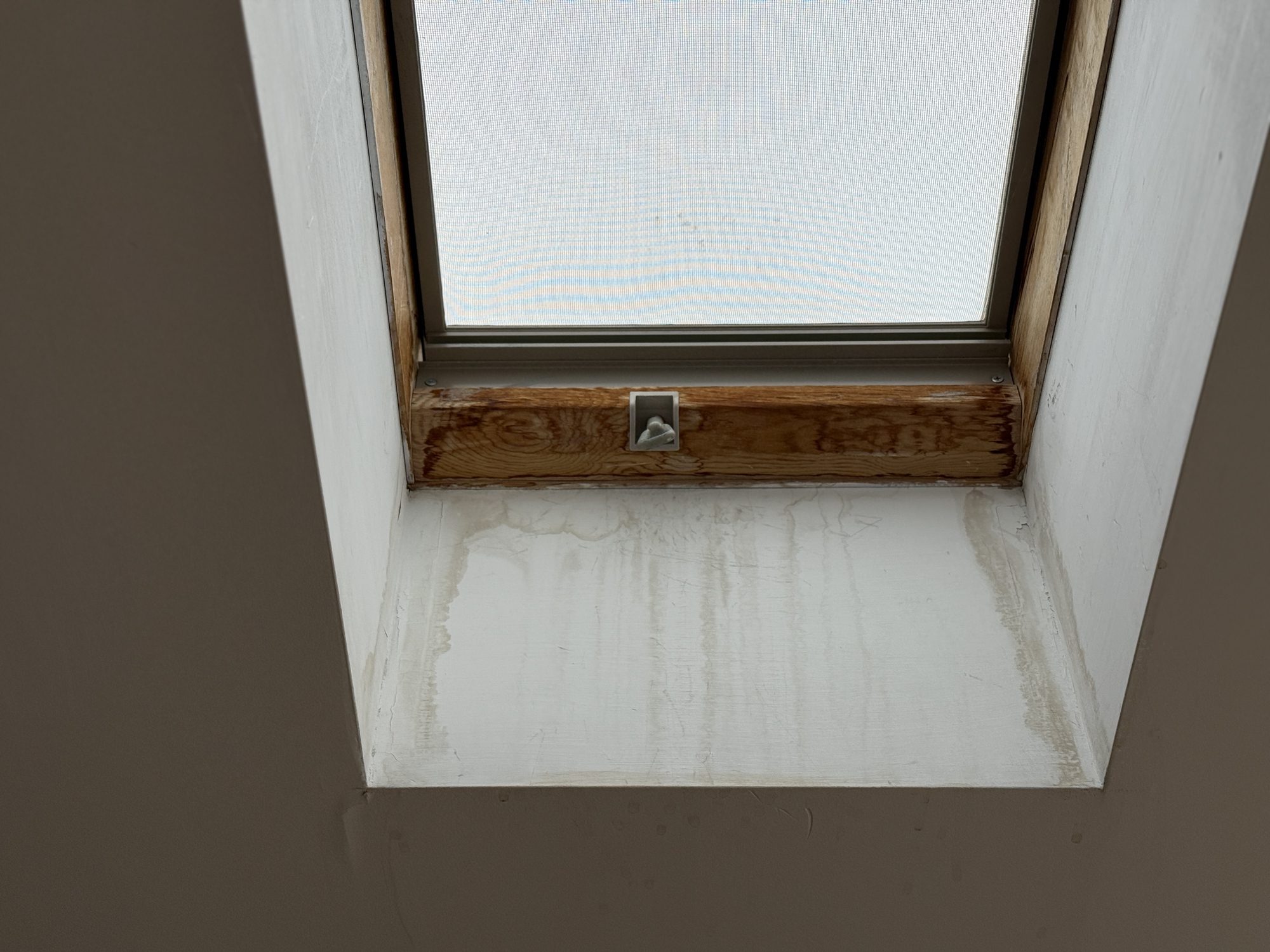
Inside the home, look for water stains, damp patches, bubbling paint or dripping water. Check upstairs ceilings, loft spaces and walls near chimneys. If you can access the loft safely, use a torch and look for wet insulation, visible daylight, dripping water or damp timber. Take care not to step between joists, and do not touch any wet electrics.
If water is coming into the property, place a bucket or container underneath the leak and move belongings away from the affected area. If water is near electrical fittings, switches or sockets, keep clear and turn off the power only if it is safe to do so.
Common signs of storm damage on a roof
Storm damage can appear in several ways. Some signs are obvious, while others need a closer inspection from a professional roofer.
Missing roof tiles are one of the clearest signs. If you can see a gap in the roof covering or find broken tiles on the ground, the roof should be checked as soon as possible. A missing tile leaves the underlay exposed, and the underlay is not designed to act as the main weatherproof layer for long.
Slipped tiles can be harder to notice. The roof may look uneven, or one tile may sit lower than the others. This can still allow wind driven rain to enter.
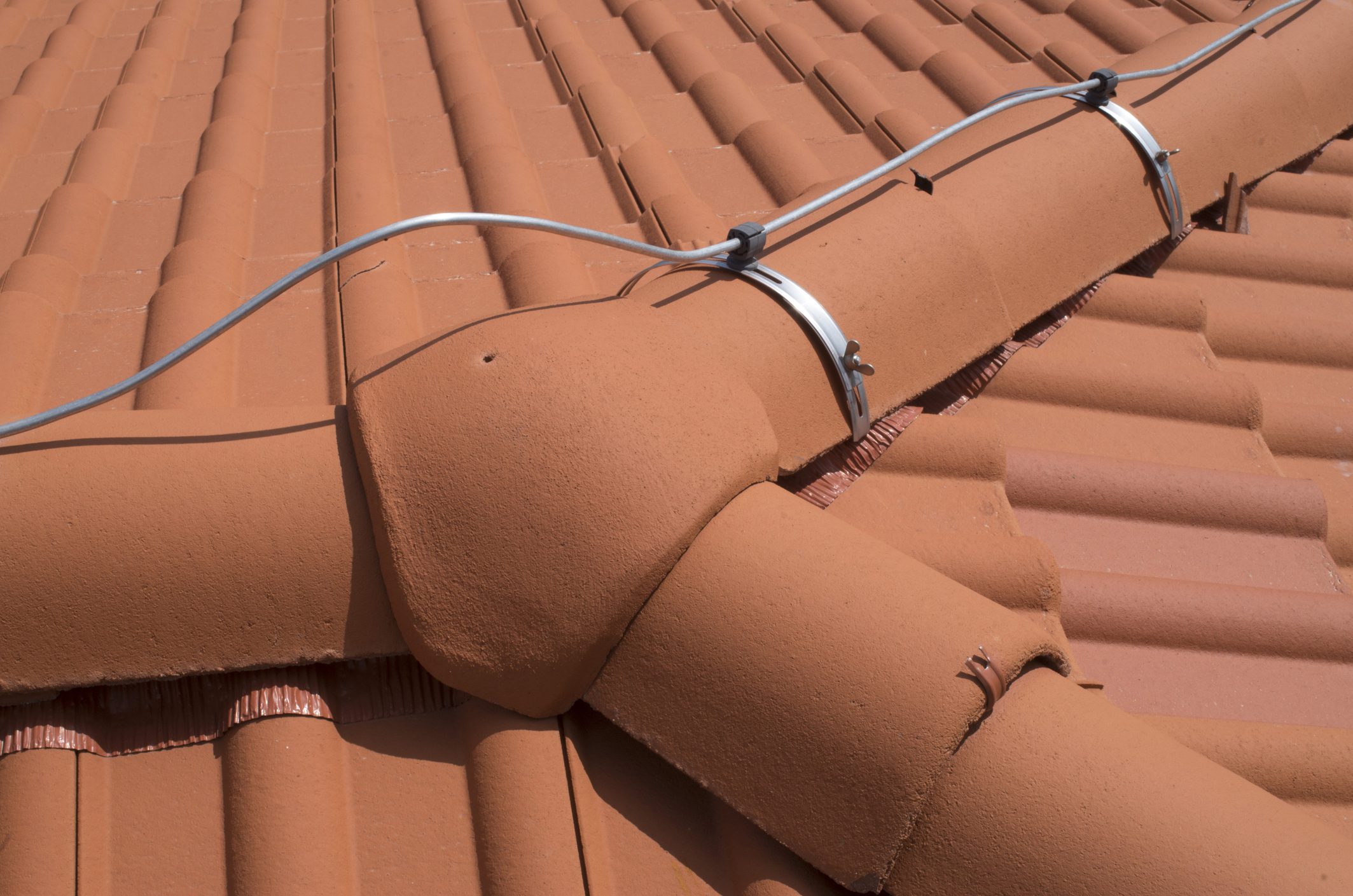
Loose or damaged ridge tiles are another common issue after high winds. The ridge sits at the top of the roof and is exposed to strong gusts. If mortar has cracked or broken away, the ridge tiles may move, creating gaps where water can get in.
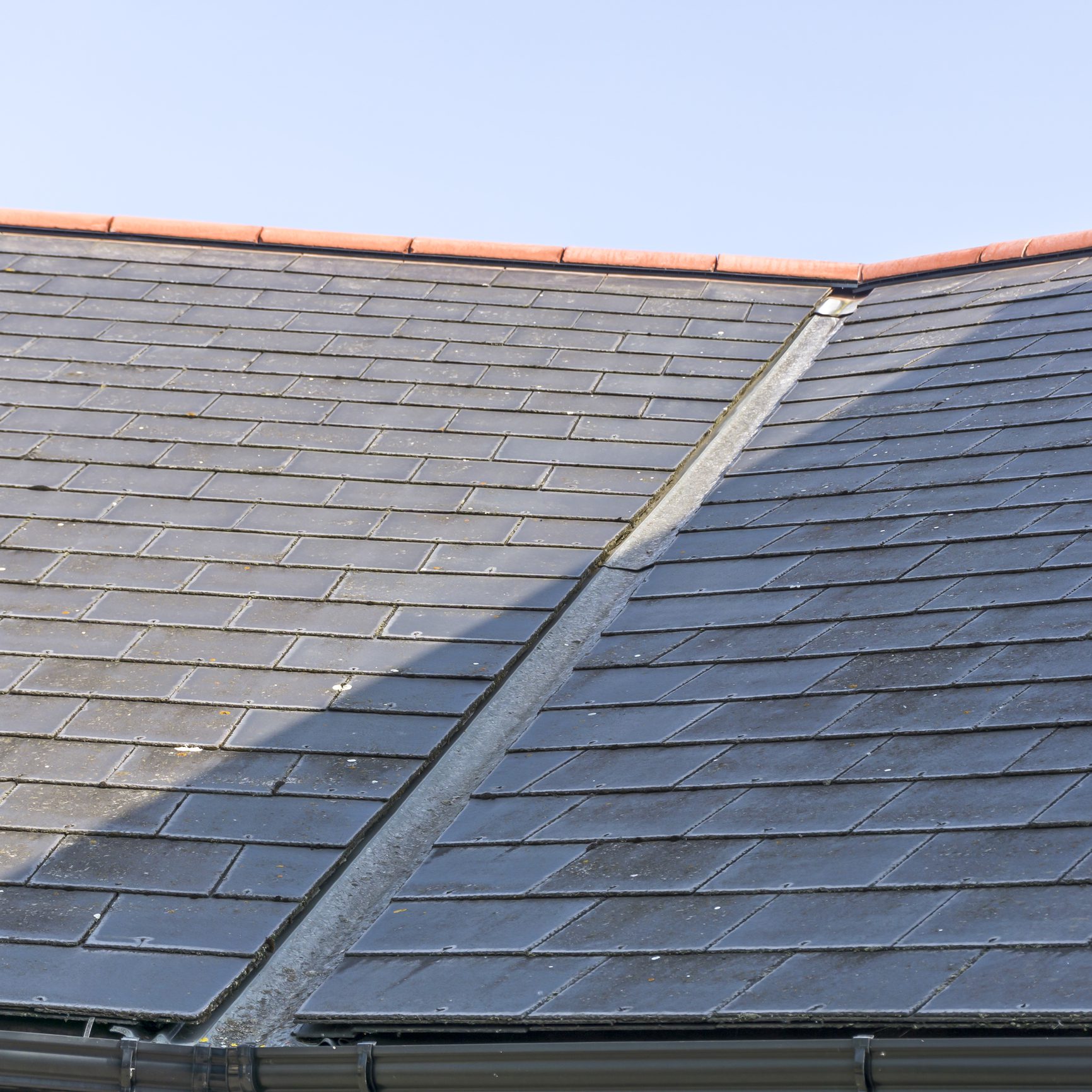
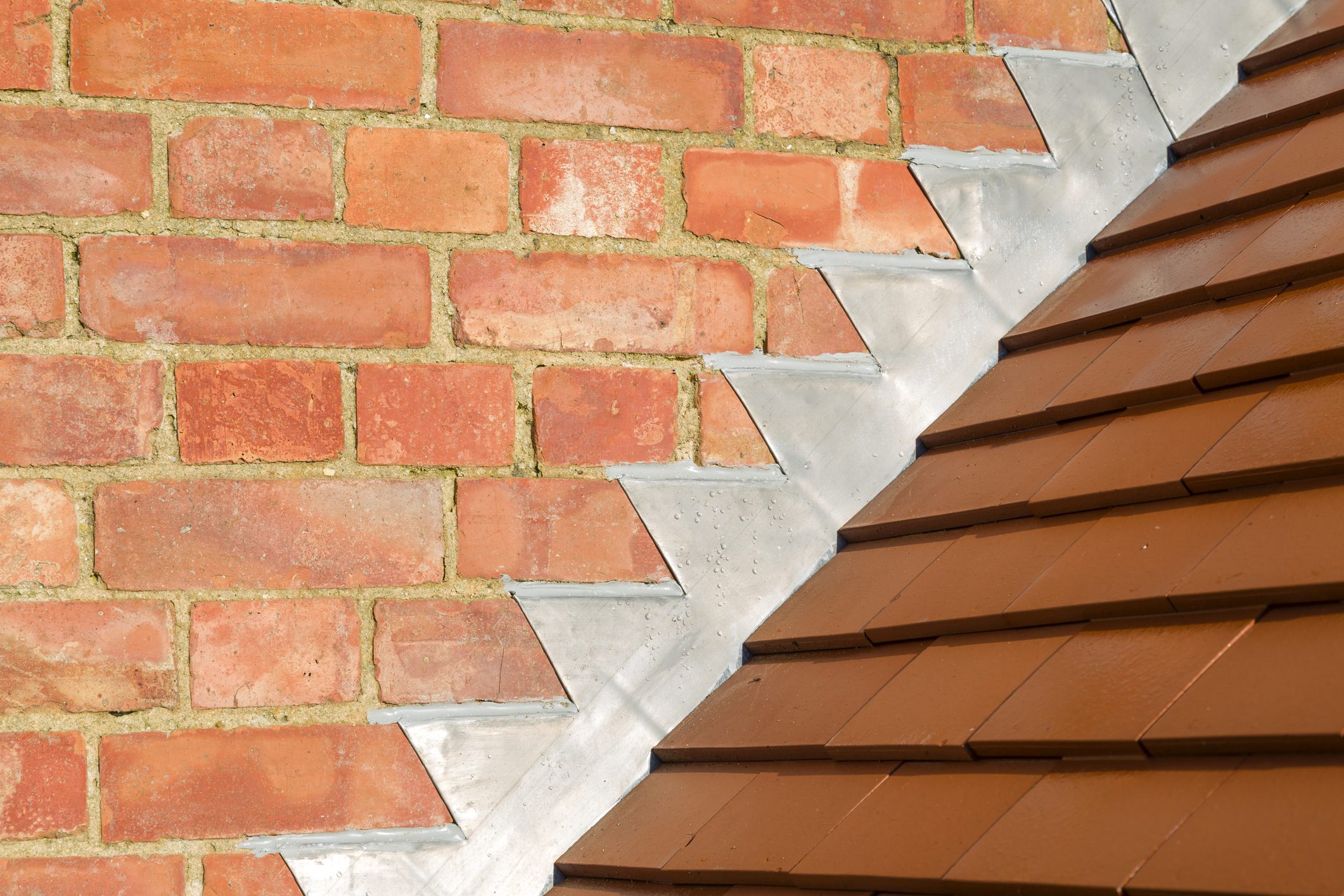
Flashing can also be affected. Lead flashing around chimneys, roof valleys, walls and roof joins can lift or split during storms. If flashing fails, water may enter at the junction between two surfaces.
Gutters and downpipes often suffer during bad weather. They may become blocked with leaves, moss, broken mortar or debris. If water cannot drain properly, it can overflow and create damp problems around the roofline.
Why small storm damage should not be ignored
It is easy to put off roof repairs if the damage looks minor. A slightly slipped tile or small crack may not seem urgent, especially if no water is entering the house at that moment. However, storm damage often gets worse if left untreated.
Once wind has loosened a tile, future gusts can move it further. Rain can get underneath and soak the roof structure. During cold weather, trapped moisture can expand and weaken materials. Over time, a small defect can become a much larger roofing problem.
Ignoring storm damage can also make it harder to identify the original cause later. If water has been entering for weeks or months, timber, insulation and plaster may all be affected. Early repairs help protect the rest of the property and reduce disruption.
A roof does not need to be leaking heavily to need attention. If something has shifted, cracked or come loose, it should be checked before the next storm arrives.
Do not attempt roof repairs yourself
After a storm, some homeowners are tempted to climb up and put a tile back, cover a hole or secure loose guttering. This is not worth the risk. Roofs can be dangerous at the best of times, but after high winds they may be especially unsafe.
Tiles may be loose, ladders can slip and surfaces may be wet. A damaged roof may not support weight in the way you expect. Even a small repair can lead to a serious fall if it is attempted without the right equipment and experience.
Temporary measures should only be taken from inside the property or from ground level where safe. For example, placing a bucket under a leak or moving furniture away from water is sensible. Climbing onto the roof is not.
Professional roofers have the equipment and knowledge to inspect the roof safely. They can also spot issues that may not be obvious from the ground.
What a roofer will check after storm damage
When we inspect a storm damaged roof, we look at the roof as a whole rather than focusing only on the most obvious issue. This is important because wind damage can affect several areas at once.
A proper inspection may include roof tiles or slates, ridge tiles, hips, valleys, flashing, gutters, downpipes, chimneys, fascias, soffits, flat roof areas and roof windows. We may also check the loft space if it is safe and accessible.
The aim is to find the cause of the problem and understand whether the damage is isolated or part of a wider issue. For example, a missing tile may be a one-off problem caused by strong wind. However, if several tiles are loose, the roof covering or fixings may be ageing.
We will explain what we find in clear terms and advise on the most suitable repair. In many cases, targeted roof repairs are enough to make the roof watertight again. In other cases, further work may be needed if the storm has exposed a bigger problem.
Temporary repairs after a storm
Sometimes a permanent repair cannot be completed immediately, especially if the weather is still poor or specialist materials are needed. In these situations, a temporary repair may be used to protect the property until full repairs can be carried out.
Temporary repairs might include securing a damaged section, covering an exposed area or making the roof safe enough to prevent further water entry. These measures are not meant to replace proper repair work. They are designed to reduce immediate damage while a longer lasting solution is arranged.
If a temporary repair is carried out, it is important to follow up with the recommended work. Leaving a temporary fix in place for too long can lead to further leaks and hidden damage.
Storm damage and flat roofs
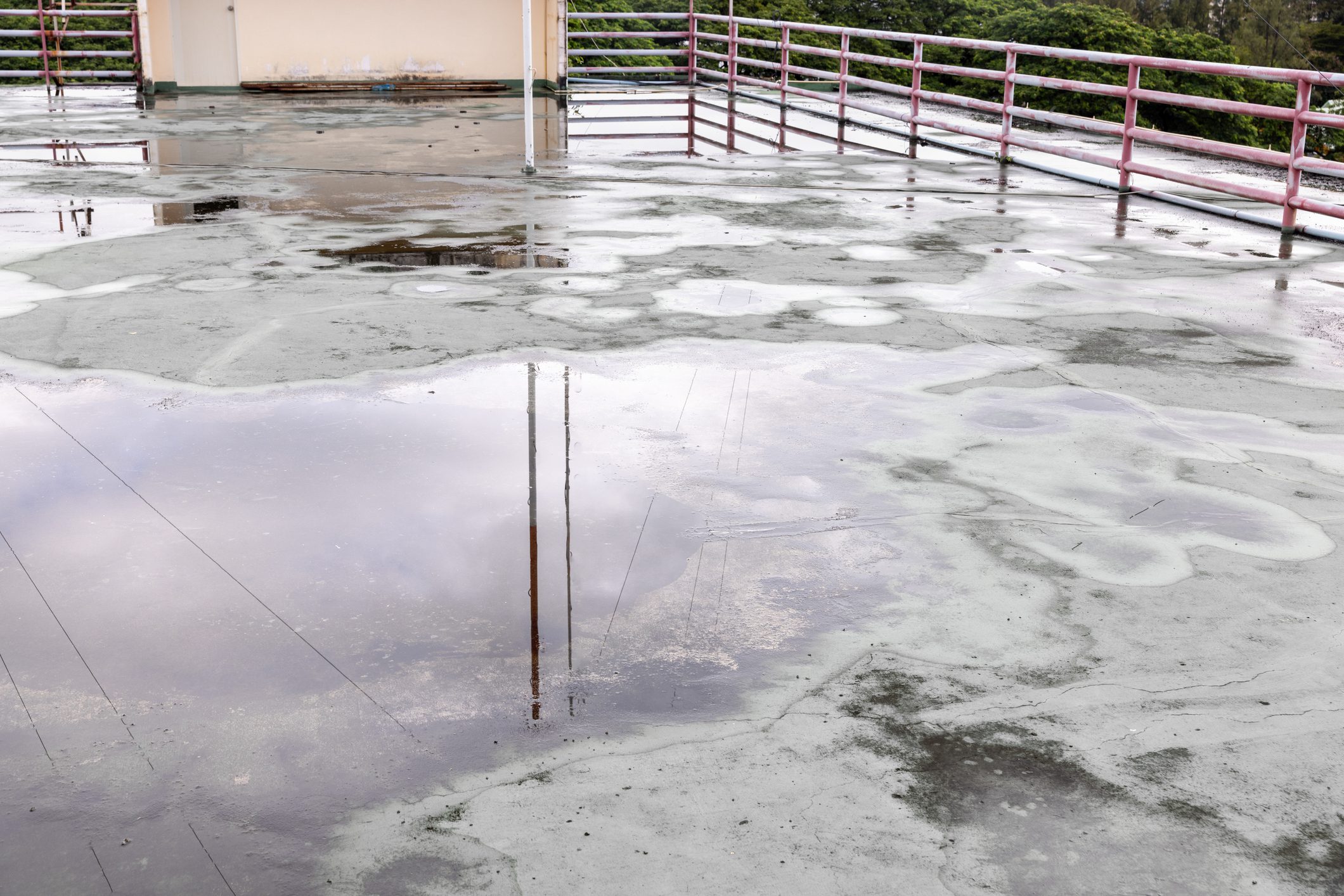
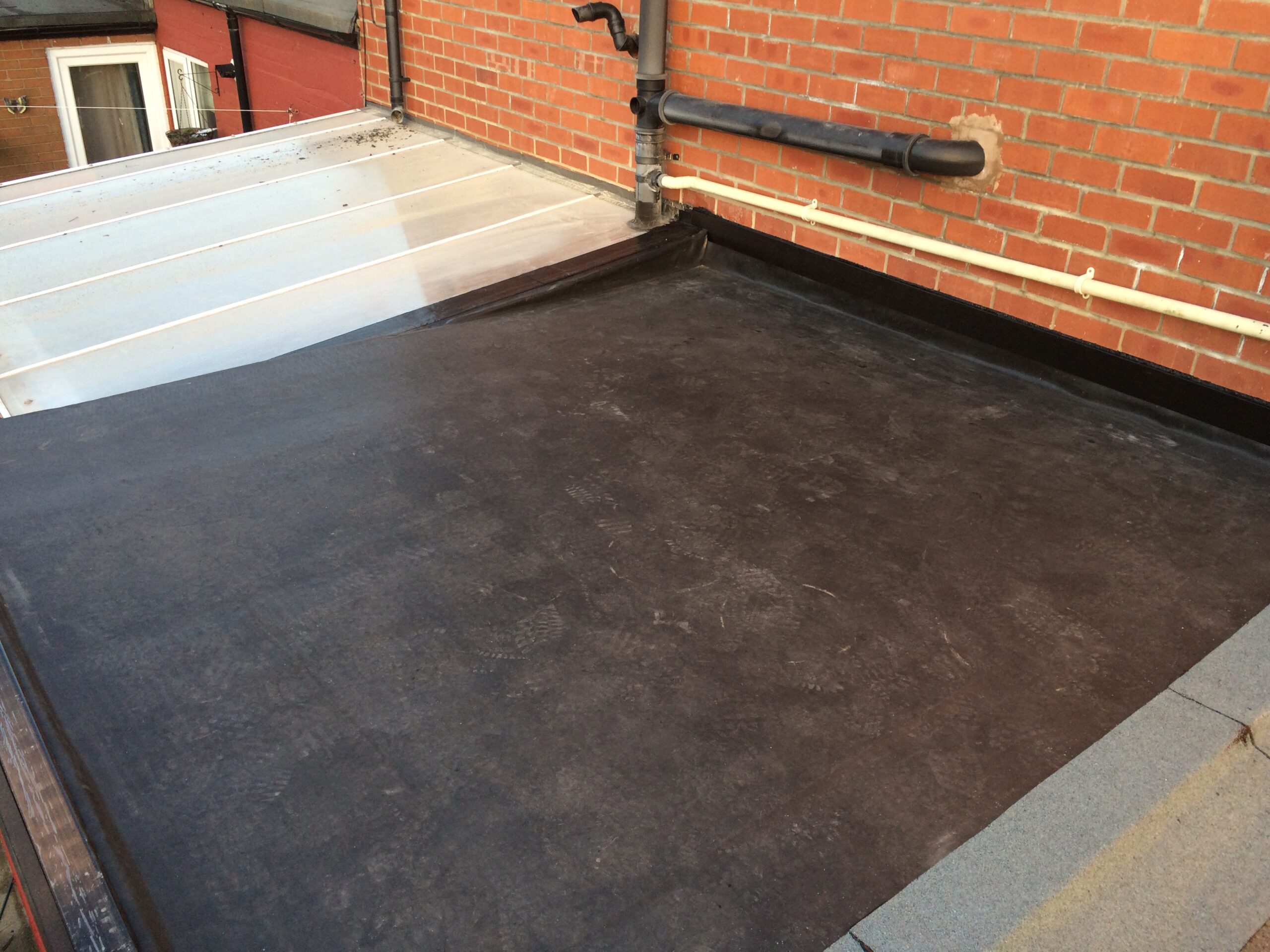
Flat roofs can also suffer during high winds and heavy rain. Felt, rubber and other flat roof coverings can lift at the edges, split at joints or become damaged by falling debris. If rainwater cannot drain away properly, standing water can collect and find its way into weak points.
After a storm, check flat roofs from a safe position if they are visible from a window or from ground level. Look for pooling water, loose edges, visible splits, sagging areas or debris that may have caused impact damage.
Do not walk on a flat roof to inspect it yourself. Even if it appears sturdy, storm damage may have weakened part of the surface. A professional roofer can check the roof safely and recommend the right repair.
Storm damage around chimneys
Chimneys are exposed to strong winds and can be a common source of leaks after bad weather. The issue may be damaged flashing, cracked mortar, loose brickwork, worn pointing or damaged flaunching at the top of the chimney.
If you notice damp around a chimney breast, staining on walls or water marks near the fireplace, the chimney area should be checked. Water can enter around the chimney and travel down through the property, sometimes appearing far from the actual defect.
Chimney related roof problems should not be ignored because they can affect both the roof and the brickwork. A professional inspection can confirm whether the issue is with the roof covering, the flashing or the chimney itself.
Should you contact your insurance provider?
If your roof has been damaged by a storm, you may want to contact your home insurance provider. Whether you are covered depends on your policy and the cause of the damage. Insurers may ask for photographs, details of the storm and a report from a roofer.
Before making a claim, take photos of visible damage from the ground if it is safe. Also take photos of any internal water damage. Keep records of any emergency work or inspections.
You should still take reasonable steps to prevent further damage, such as placing containers under leaks and moving belongings away from water. If you need a roofer to make the property safe, keep any paperwork provided.
How to reduce the risk of future storm damage
You cannot control the weather, but you can reduce the risk of storm damage by keeping your roof well maintained. Regular checks can identify loose tiles, cracked mortar, blocked gutters and worn flashing before bad weather makes them worse.
After autumn, it is worth checking that gutters and valleys are clear of leaves and moss. Blocked drainage can cause water to back up during heavy rain. If your property is close to trees, branches should be monitored because falling limbs can damage the roof during storms.
It is also sensible to arrange a roof inspection if your roof is older, has leaked before or has visible signs of wear. Preventive repairs can help your roof cope better with future high winds and heavy rain.
Why choose North East Contractors Ltd?
At North East Contractors Ltd, we know how stressful storm damage can be. A damaged roof can leave your home exposed, and it is not always clear how serious the problem is from ground level.
We provide clear advice, careful inspections and reliable repairs to help protect your home after bad weather. Whether you have missing tiles, a leaking roof, damaged flashing or loose guttering, we can assess the issue and recommend the right repair.
Our team focuses on practical solutions that deal with the cause of the problem. We aim to make your roof safe, watertight and ready to handle future weather.
Contact North East Contractors Ltd Today!
Storm damage roof repair should never be delayed. High winds can loosen tiles, damage flashing, move ridge tiles, block gutters and expose weak points in the roof. Even if the damage looks minor, it can lead to leaks and further problems if left unchecked.
After a storm, inspect your property safely from the ground, look for signs of damage inside the home and avoid climbing onto the roof. If you notice missing tiles, water stains, loose guttering or anything unusual, arrange a professional inspection.
For help after high winds or bad weather, get in touch with North East Contractors Ltd today.