Single ply roofing has become a popular option for flat and low-pitched roofs across domestic, commercial and industrial properties. Lightweight, waterproof and suitable for a wide range of roof designs, a professionally installed single ply membrane can provide dependable protection against the British weather for many years.
At North East Contractors Ltd, we work with a wide range of roofing systems across Whitley Bay, Newcastle and the wider North East. One of these is single ply roofing, which can be particularly useful when a property requires a practical flat or low-slope roofing solution.
But what exactly is single ply roofing, how does it work and where can it be used? In this guide, we explain what property owners need to know.
What Is Single Ply Roofing?
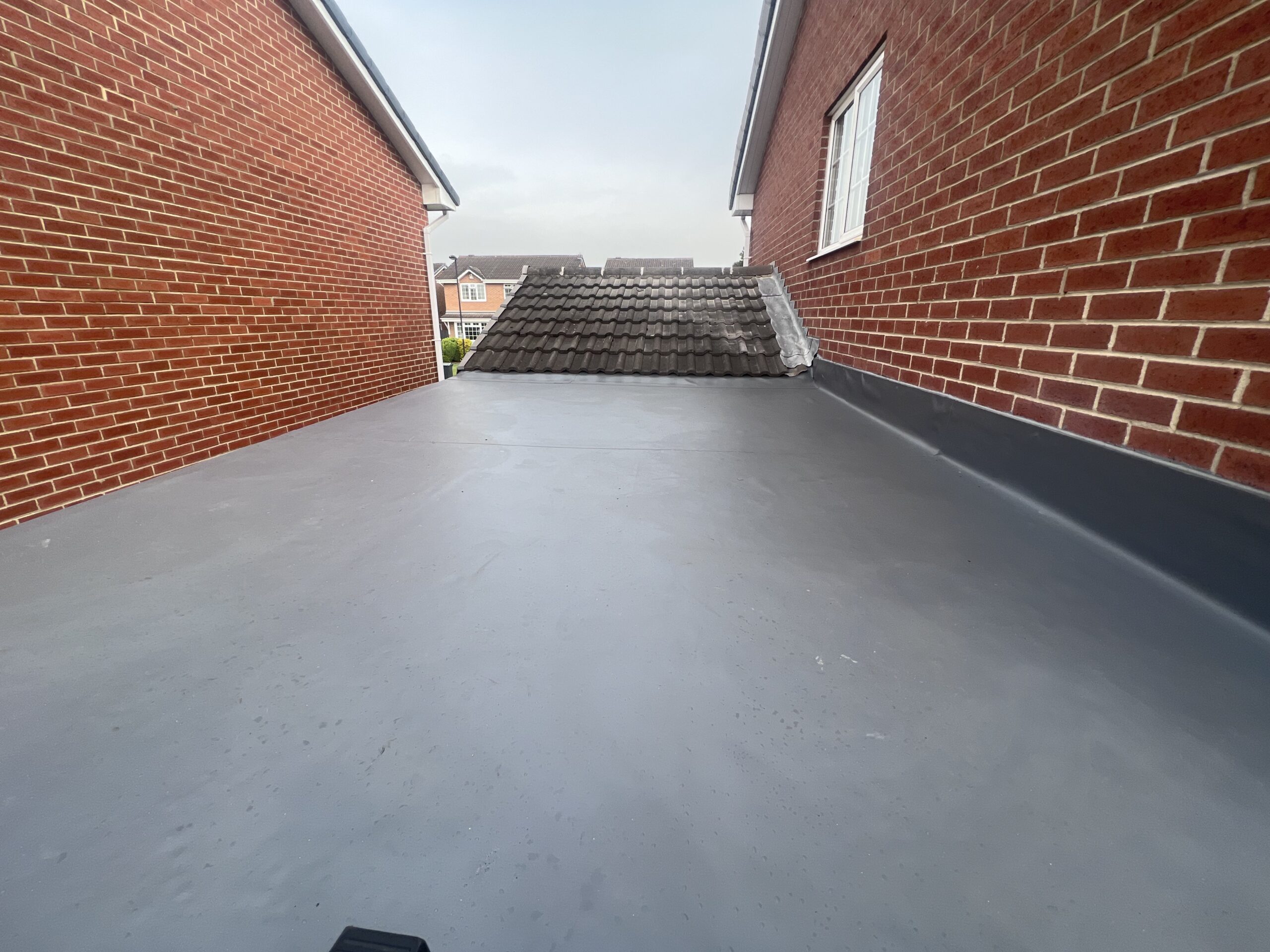
Single ply roofing is a type of roofing system that uses a flexible sheet membrane to form the main waterproof covering of a roof. Rather than relying on several built-up layers of traditional roofing material, the waterproof membrane is installed as a single layer across the roof surface.
These membranes are generally manufactured from synthetic materials designed to cope with changing weather conditions, exposure to sunlight and movement within the roof structure.
PVC and TPO are two common forms of single ply membrane. Depending on the roofing system being installed, sheets of membrane can be joined together using heat welding. This helps create a continuous waterproof surface across the roof.
The system is particularly well suited to flat roofs and roofs with a low pitch, although whether single ply is suitable will always depend on the individual property, roof structure and intended use of the building.
Our single ply roofing services cover both new installations and work on existing roofs throughout the North East.
How Does a Single Ply Roofing System Work?
The visible membrane is only one part of a complete single ply roof.
Depending on the building, a typical system may include the structural roof deck, vapour control layer, insulation and waterproof single ply membrane. The exact construction can vary considerably between properties.
The purpose of the membrane is to prevent water from passing into the layers below. Particular attention must therefore be paid to joints, roof edges, drainage points and anything that passes through the membrane.
This can include:
- Rooflights
- Ventilation outlets
- Pipes
- Air conditioning equipment
- Drainage outlets
- Parapet walls
Good detailing around these areas is essential. Although single ply membranes themselves provide effective waterproofing, many roofing problems begin around joints, penetrations or roof edges rather than in the centre of the membrane.
Professional installation is therefore particularly important.
How Are Single Ply Roof Membranes Joined?
One of the defining features of many modern single ply systems is the way separate sheets of membrane are joined.
With heat-welded systems, controlled heat is used to bond adjoining sections of membrane together. Once installed correctly, these welded joints become part of the waterproof roof covering.
This differs from some traditional flat roofing methods where adhesives, bitumen or overlapping sheets may play a larger role in forming the waterproof layer.
Heat welding can also be particularly useful around more complicated areas of a roof where careful waterproof detailing is required.
At North East Contractors Ltd, our single ply heat-welded roofing service provides an option for property owners looking for a modern roof covering for suitable flat and low-pitched roofs.
Where Is Single Ply Roofing Commonly Used?
One of the main advantages of single ply roofing is that it can be used across several different types of building.
It is particularly associated with commercial and industrial properties but it can also be suitable for domestic projects.
Commercial Buildings
Single ply membranes are widely used on commercial premises because many commercial buildings have large flat or low-pitched roof areas.
These might include:
- Offices
- Retail units
- Shops
- Schools
- Healthcare premises
- Leisure buildings
- Apartment buildings
Large roof areas require an effective waterproofing system that can accommodate the layout of the building and features such as rooflights, ventilation equipment and drainage outlets.
Single ply roofing can provide a practical solution for these applications.
Industrial Buildings
Industrial properties frequently have large roof surfaces that can be exposed to substantial amounts of rain, wind and sunlight throughout the year.
Warehouses, manufacturing facilities, storage buildings and other commercial premises may therefore be suitable candidates for single ply membranes.
Our industrial roofing work covers roofing requirements for commercial and industrial properties throughout the region, including projects where specialist roofing systems may be required.
Before recommending any particular material, we consider the existing roof, building structure, drainage and intended use of the property.
Home Extensions
Single ply roofing is not limited to large commercial roofs.
Modern homes often include flat-roofed sections, particularly where an extension has been added to the rear or side of a property.
Where the roof pitch is too low for conventional tiles or slates, a flat roofing material will usually be required.
Single ply can therefore be considered alongside other flat roofing options when planning a home extension or replacing an existing flat roof.
Garages and Outbuildings
Garages, workshops and other outbuildings are another common application for flat roofing systems.
Older garage roofs may have been covered using traditional materials that have deteriorated over time. Depending on the roof deck and overall structure, replacing the existing covering with a modern single ply system may be possible.
An inspection is the best way to determine whether the existing structure can be retained or whether more extensive roofing work is needed first.
Porches and Smaller Flat Roof Areas
Smaller sections of flat roof can also benefit from modern waterproofing systems.
Porches, entrance canopies, dormers and similar areas can all require carefully fitted roof coverings to prevent water finding its way into the property.
Although these roof areas may be smaller, the same attention to drainage, edges and waterproof detailing is required.
Is Single Ply Roofing Suitable for Flat Roofs?
Single ply membranes are particularly well suited to flat roofing applications.
The term “flat roof” can sometimes be misleading because a properly designed flat roof should normally have some degree of fall. This allows rainwater to travel towards gutters or drainage outlets rather than remaining permanently on the roof surface.
Correct drainage is important regardless of which flat roofing material is selected.
When we assess a property for flat roofing, we look beyond the visible covering. The condition of the roof deck, insulation, drainage and surrounding roof details can all affect what work is required.
Simply installing a new membrane over an unsuitable roof structure may fail to address the original problem.

What Are the Benefits of Single Ply Roofing?
There are several reasons why single ply systems are regularly specified for modern roofing projects.
It Is Lightweight
Single ply membranes are relatively lightweight compared with some traditional roofing systems.
This can make them suitable for buildings where unnecessary additional weight on the roof structure needs to be avoided.
However, this does not mean every roof is automatically suitable. The supporting structure should always be properly assessed before work begins.
It Provides Reliable Waterproofing
The primary role of any roofing system is to keep water out of the building.
Correctly installed single ply membranes create a continuous waterproof covering over the roof. Heat-welded joints help connect the individual sheets while careful detailing protects vulnerable areas such as corners, outlets and penetrations.
It Can Accommodate Complicated Roof Designs
Commercial and industrial roofs are not always completely open surfaces.
Rooflights, ventilation equipment, plant, pipework and drainage systems can create numerous interruptions across a roof.
The flexibility of single ply membranes means the material can be detailed around many of these features when installed correctly.
This is one reason it is commonly considered for industrial roofing projects.
It Can Be Used on Large Roof Areas
Large commercial properties can have significant areas of flat or low-pitched roofing.
Single ply sheets provide a practical way of waterproofing these large areas while retaining the ability to create detailed finishes around edges and rooftop features.
Repairs Can Often Be Localised
Damage does not necessarily mean an entire single ply roof needs replacing.
Depending on the condition, age and type of membrane, a localised section may sometimes be repaired.
The damaged area first needs to be identified and inspected so that we can establish whether a targeted repair is appropriate.
How Long Does Single Ply Roofing Last?
The lifespan of any roof depends on several factors rather than the roofing material alone.
These include the quality of the original installation, membrane specification, exposure to weather, roof traffic, drainage and ongoing maintenance.
A roof that regularly suffers from blocked outlets or standing water may experience different conditions from one where water drains freely.
The amount of activity taking place on a commercial roof can also make a difference. Contractors accessing equipment, maintenance teams and other trades can unintentionally damage a membrane if care is not taken.
Periodic roof inspections can help identify small problems before they develop into more serious issues.
Does Single Ply Roofing Need Maintenance?
Single ply roofing is relatively straightforward to maintain but it should not simply be installed and forgotten about.
Flat roofs benefit from regular visual checks, particularly following periods of severe weather.
Property owners should look out for:
- Damage to the membrane
- Loose sections
- Problems around roof edges
- Blocked outlets
- Debris across the roof
- Standing water
- Damage around rooflights
- Changes around penetrations
- Signs of water entering the building
The roof should also be checked after work has been carried out by other contractors.
For example, an air conditioning engineer may need to cross the roof to reach equipment. Tools, fixings or sharp objects can potentially damage a membrane if appropriate care is not taken.
Can Single Ply Roofing Be Repaired?
Yes, many single ply roofing problems can be repaired if they are identified early enough.
The first step is finding the actual source of the problem.
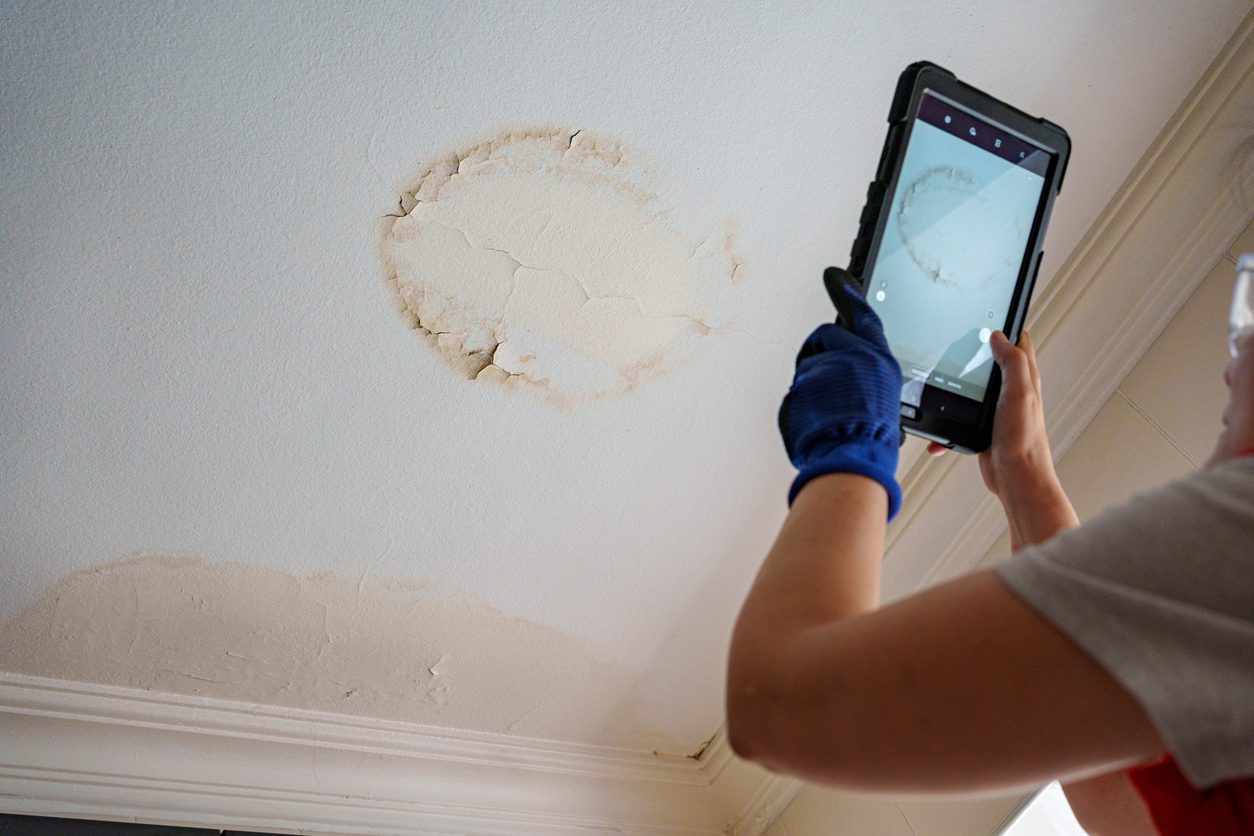
A visible leak inside a building does not always sit directly beneath the damaged section of roofing. Water can travel along insulation, structural elements or other surfaces before becoming visible internally.
Professional inspection helps identify whether the issue relates to the membrane itself, a joint, flashing, drainage point or another roof component.
Small damaged sections may be repairable using compatible materials and appropriate welding techniques. More widespread deterioration may require a different approach.
Is Single Ply Better Than Other Flat Roofing Materials?
There is no single roofing material that is automatically the best option for every property.
Single ply is one of several systems available for flat roofs. Other buildings may be better suited to rubber roofing or another type of flat roof covering.
The decision should be based on factors such as:
- Roof design
- Existing roof construction
- Size of the roof
- Drainage
- Insulation requirements
- Roof access
- Number of penetrations
- Intended use of the building
- Condition of the existing structure
Our role is to assess the roof properly rather than recommend the same system for every project.
You can view examples of the roofing and building work we have completed across the North East through our recent projects.
Why Is Professional Single Ply Installation Important?
A single ply membrane is only as effective as its installation.
Problems can occur when joints are not correctly formed, drainage has not been considered or detailing around roof edges and penetrations is inadequate.
Flat roofing also requires consideration of what is happening below the waterproof membrane.
Insulation, vapour control and the roof deck all form part of the complete roof construction. Problems within these layers can affect the performance of the finished roof.
Professional installation helps make sure each element works together correctly.
How Do You Know if Single Ply Roofing Is Right for Your Property?
The best way to decide whether single ply roofing is suitable is to have the roof inspected.
We can look at the existing structure, roof design and condition before discussing the available options.
For a commercial building, this may involve considering large roof areas and existing plant or equipment. For a domestic property, the focus may instead be on an extension, garage or smaller flat roof.
There is no benefit in specifying single ply if another roofing system would be better suited to the building. A proper assessment allows the roofing solution to be based on the actual property rather than assumptions.
Speak to North East Contractors Ltd About Single Ply Roofing
Whether you are considering a new flat roof, replacing an ageing commercial roof or looking for a roofing system for an extension, single ply roofing could provide a practical solution.
At North East Contractors Ltd, we work on domestic, commercial and industrial roofs throughout Whitley Bay, Newcastle and surrounding areas of the North East. We can assess your existing roof, explain which roofing systems are suitable and carry out the installation to a professional standard.
Our experience covers everything from smaller domestic flat roofing projects to larger single ply and industrial roofing requirements.
If you would like to discuss single ply roofing or arrange for our team to assess your property, please get in touch with North East Contractors Ltd.